Madrid's Crime Prevention Strategy: How Two Decades of Policy Shifts Led to Today's Security Framework
A look at the institutional decisions and resource allocation that have shaped the capital's approach to public safety since the early 2000s.
A look at the institutional decisions and resource allocation that have shaped the capital's approach to public safety since the early 2000s.

Madrid's current approach to crime prevention and emergency response didn't emerge overnight. Rather, it represents the accumulated result of policy decisions, budget allocations, and organisational restructuring that began in earnest during the early 2000s—a period when the city faced mounting pressures from petty theft in the metro system, drug-related activity in neighbourhoods like Lavapiés, and coordination challenges between municipal and regional authorities.
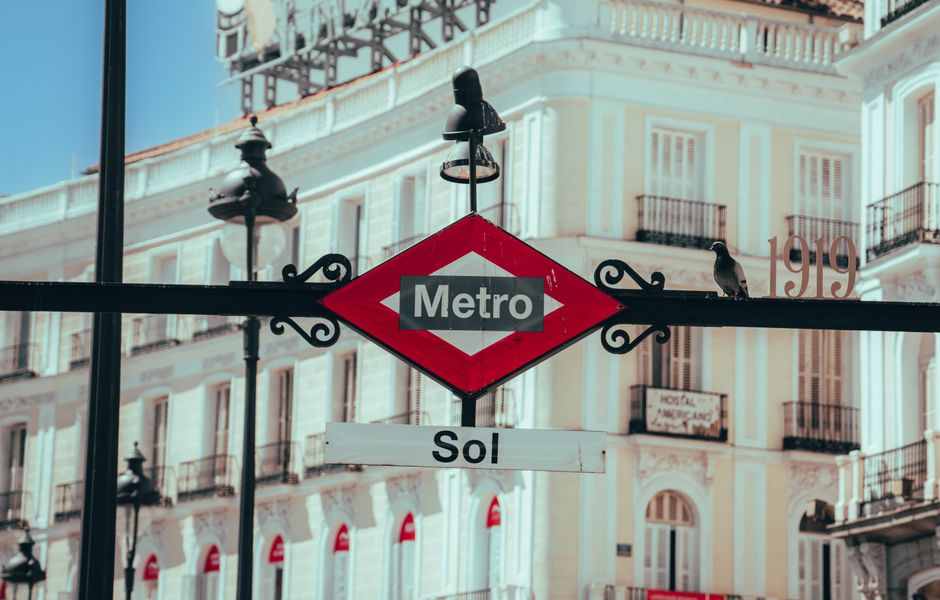
The turning point came following the 2004 Madrid train bombings, an event that fundamentally reshaped how the city thought about security infrastructure and inter-agency communication. Subsequent investments in CCTV networks across the metro—particularly in high-traffic stations like Sol, Atocha, and Plaza Mayor—reflected a broader shift toward preventative surveillance. By 2010, the City Council had allocated over €45 million to modernise emergency dispatch systems and establish the Integrated Centre for Emergency and Security (CIES) at the Puerta de Toledo complex.
Over the following decade, however, budget constraints during Spain's economic crisis meant these systems weren't always maintained adequately. Police officer numbers in the Municipal Police force plateaued around 5,400, while the city's population continued to grow. Neighbourhood associations in areas like Malasaña and Chueca began documenting increased street crime by 2015-2017, prompting renewed debate about resource allocation.
The 2020s brought a recalibration. Following the pandemic's impact on public spaces and the rise of organised retail theft rings operating across central Madrid, authorities implemented community policing pilots in fifteen districts. Simultaneously, the regional government invested in upgraded emergency response protocols, establishing faster coordination between the Policía Municipal, Policía Nacional, and Guardia Civil.
Today's safety framework—including the neighbourhood patrol intensification announced in early 2026, the expanded CCTV coverage in commercial districts like Gran Vía and Paseo de la Castellana, and the revised emergency service response times—reflects these decades of incremental adjustments rather than a sudden policy pivot.
Understanding this trajectory matters because it illuminates both Madrid's successes and persistent challenges. The city's crime statistics improved measurably between 2022 and 2025, yet incidents in certain areas remain above historical averages. The question now is whether the current strategic direction—balancing high-tech solutions with community engagement—represents a sustainable long-term answer or another chapter in an ongoing cycle of reform.
This article was compiled by AI from the sources linked above and screened before publishing. See our editorial standards.
How does this story make you feel?
Spread the word
About this article
Published by The Daily Madrid
Daily brief
Free, in your inbox before 7am. Weekdays.
More in News