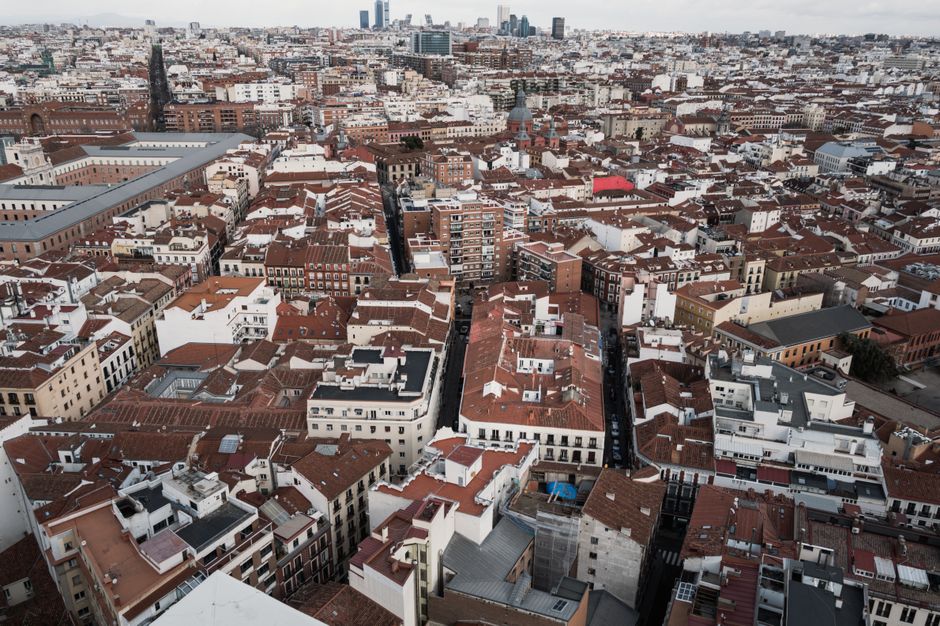
The conversation at a community meeting in the Chueca neighbourhood centre last week carried an unmistakable tone of desperation. Residents gathered to discuss the latest phase of urban renewal plans affecting the historic barrio, where average rental prices have jumped 34% in just four years—from €580 to €778 per square metre, according to recent municipal data.
"My family has lived on Calle Gravina for thirty years," said one long-time resident during the session at the local civic association. "Our landlord just gave us notice. The new developers want to convert it into tourist apartments. Where do we go?" Her sentiment echoed across the room, where dozens of residents had gathered to voice concerns about the Ayuntamiento's proposed urban regeneration strategy for central Madrid.
The tension reflects a broader crisis gripping the city's most iconic neighbourhoods. Malasaña, once the heart of Madrid's counterculture, has transformed dramatically. Small family-run shops on Calle San Andrés have given way to boutique hotels and high-end retailers. The Plaza del Dos de Mayo, traditionally a gathering space for locals, now draws tourists from across Europe.
Community organisations like Plataforma de Afectados por la Hipoteca (PAH) and neighbourhood associations have organised several public forums to demand greater protections for vulnerable residents. Their message is clear: current zoning permissions favour property developers over existing communities.
"We're not against development," explained a spokesperson from the Malasaña residents' collective during an interview. "But there must be mechanisms to ensure affordable housing remains available. Right now, the market dictates everything."
The city council's new housing plan, unveiled earlier this year, includes provisions for some rent-controlled units in new developments—typically 15% of new projects. However, residents argue this falls far short of demand. With over 22,000 families on Madrid's public housing waiting list and average purchase prices exceeding €9,000 per square metre in central areas, affordable options are vanishing.
Street-level activism has intensified. Residents decorated storefronts along Calle Fuencarral with posters highlighting empty luxury apartments bought as investment assets. The message: "Vacíos mientras nosotros no tenemos donde vivir" (Empty while we have nowhere to live).
As Madrid positions itself as a global capital competing with Barcelona and Lisbon for international investment, residents fear their neighbourhoods' cultural identity will be sacrificed. The coming months will be crucial—the city council is reviewing zoning permissions for La Latina and Barrio de las Letras, with community input expected to shape future policy.
This article was compiled by AI from the sources linked above and screened before publishing. See our editorial standards.