Madrid's Budget Crisis in Numbers: What the Data Reveals About City Hall's Spending Squeeze
New municipal figures show transport deficits climbing and housing costs soaring as the city council navigates a narrowing fiscal corridor.
New municipal figures show transport deficits climbing and housing costs soaring as the city council navigates a narrowing fiscal corridor.
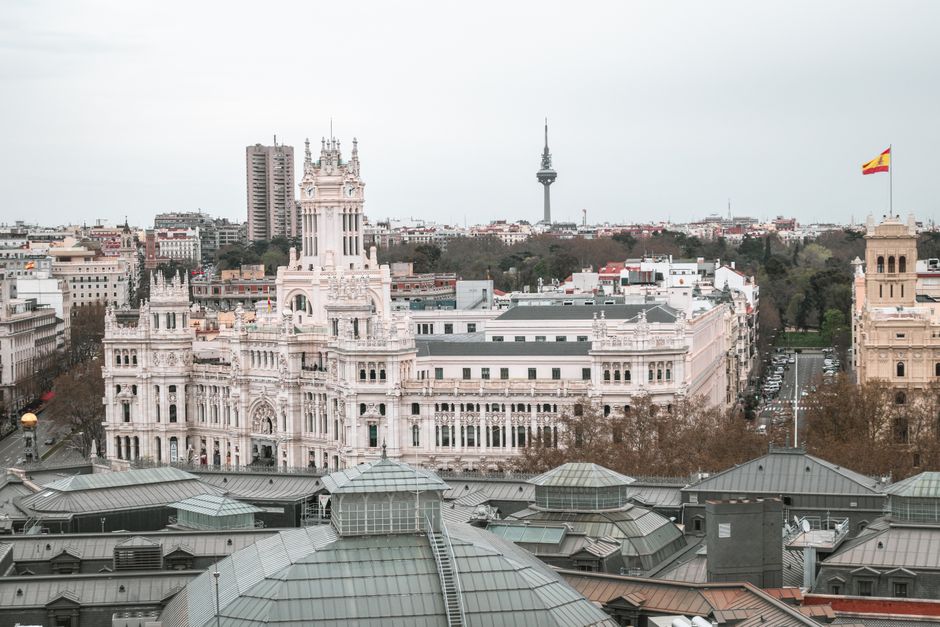
Madrid's municipal government released its mid-year financial report this week, and the numbers tell a stark story about the pressures facing Spain's capital as it heads into the second half of 2026. With a €6.2 billion operating budget, the city is grappling with structural challenges that go far beyond routine administrative adjustments.
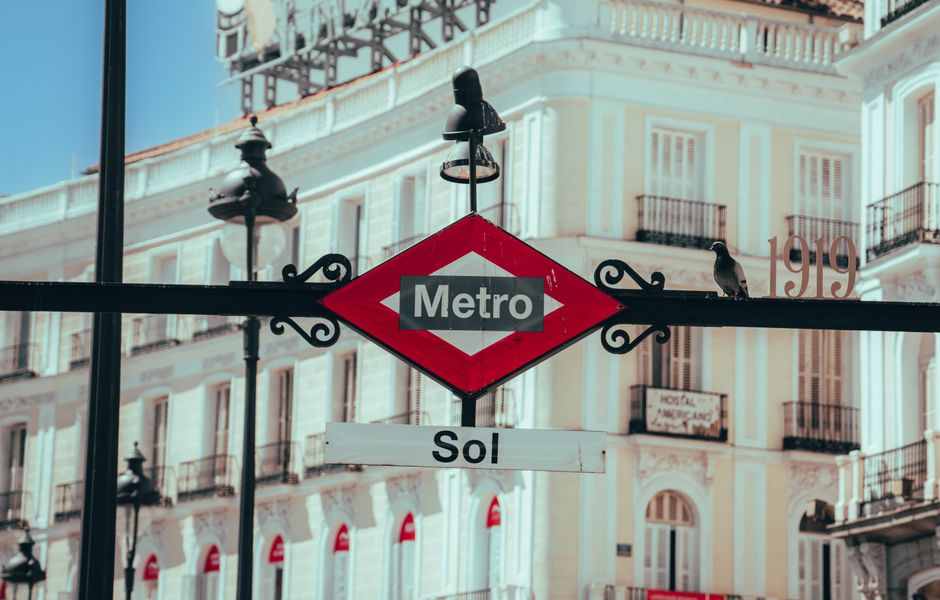
The Metro system, which transported 146 million passengers last year, is running at a cumulative operational deficit of €487 million—a figure that has grown by 8 percent since January. According to the municipal transport authority, ticket revenues cover only 63 percent of operating costs, down from 71 percent in 2024. A standard monthly travel pass in Zone A now costs €54.60, the highest in any major European capital, yet demand remains steady even as suburban ridership from Alcalá de Henares and Torrejón de Ardoz continues to decline.
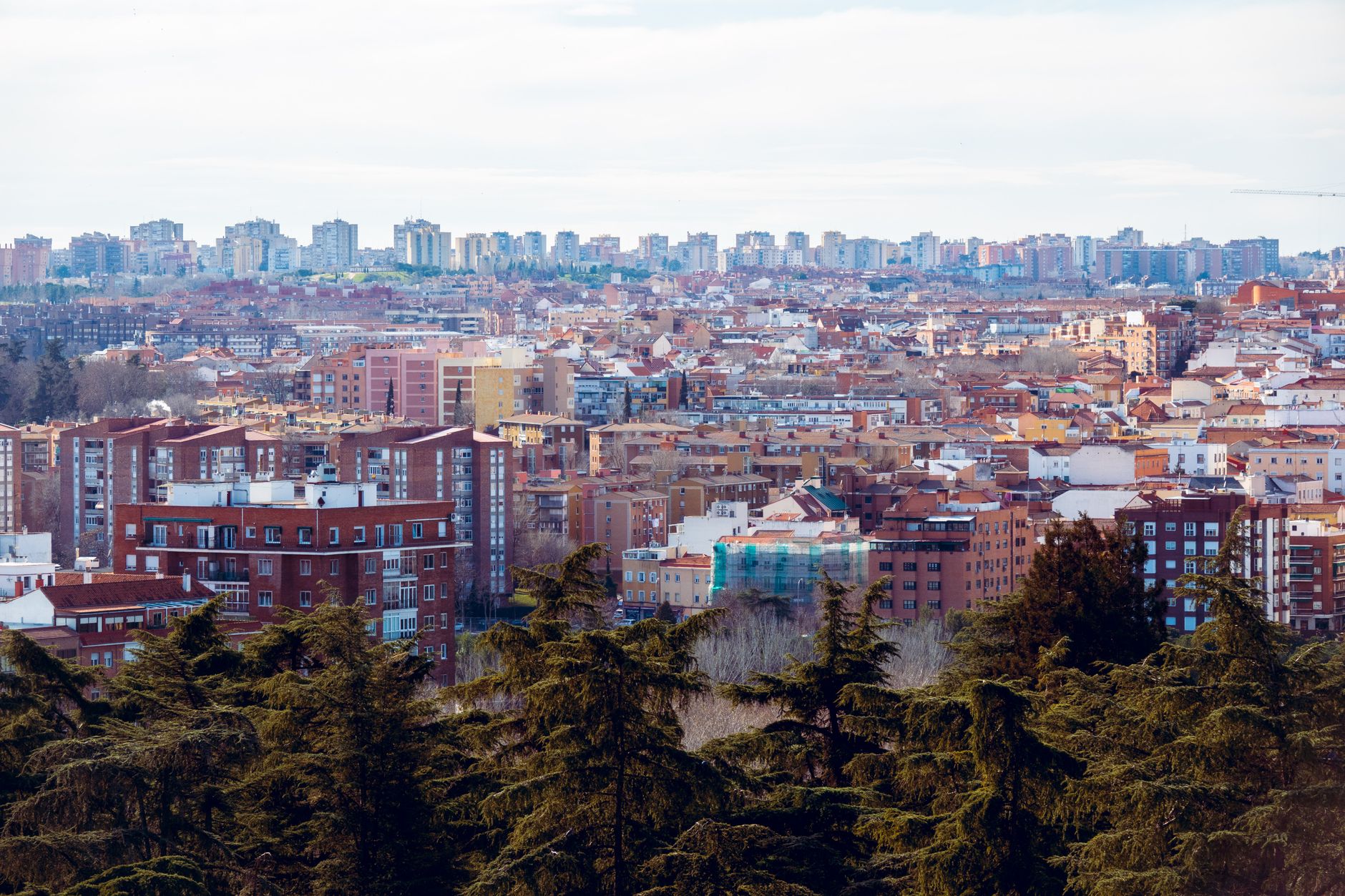
Housing pressures are equally visible in the data. Average rental prices in central neighbourhoods like Salamanca and Chamberí have reached €1,850 per month for a two-bedroom apartment—a 19 percent increase from June 2024. Meanwhile, the city's affordable housing programme, which aimed to deliver 2,400 units by 2026, has completed only 1,680 units to date. The waiting list for municipal housing assistance now exceeds 18,500 applications, a number that has more than doubled since the pandemic.
City Hall's environmental initiatives show more encouraging data. The number of registered electric vehicles in Madrid increased by 34 percent year-over-year, reaching 87,000 units. The expansion of low-emission zones in the Chamartín district and around Plaza Mayor has reduced nitrogen dioxide concentrations by 12 percent in monitored areas, though particulate matter remains above EU safety thresholds on 47 days this year alone.
Street-level services reveal mixed results. The city processed 12,847 permits for street vending and restaurant terrace expansion through June, a 22 percent increase from the same period last year. However, response times for municipal maintenance requests—pothole repairs, streetlight fixes, and park upkeep—have lengthened to an average of 31 days, up from 19 days two years ago. The backlog of maintenance requests stands at 3,264 across all districts.
These figures, drawn from official municipal archives and transport authority reports, paint a picture of a city managing growth while stretching its resources. For Madrid residents navigating rising costs and crowded transport networks, the numbers translate directly into daily lived experience. How city leadership addresses these data points will shape Madrid's next budget cycle and the quality of urban life ahead.
This article was compiled by AI from the sources linked above and screened before publishing. See our editorial standards.
How does this story make you feel?
Spread the word
About this article
Published by The Daily Madrid
Daily brief
Free, in your inbox before 7am. Weekdays.
More in News