While cities across Europe and North America struggle with the mechanics of integration, Madrid has quietly emerged as a case study in pragmatic multiculturalism. With nearly 15% of its 3.3 million residents born abroad—a figure comparable to London and Toronto—the Spanish capital has developed an approach that neither London's laissez-faire model nor Berlin's contentious political battles quite capture.
The contrast is stark when walking through Lavapiés, the historic neighbourhood south of Plaza Mayor that has become Madrid's de facto immigrant hub. Here, Pakistani corner shops sit beside Venezuelan bakeries, while integration centres funded by the Ayuntamiento operate in converted civic buildings. The district's €2.8 million annual investment in community programmes represents a deliberate policy choice: support settlement rather than assume assimilation.
This stands against the backdrop of global crisis. Recent months have seen humanitarian emergencies reshape migration patterns—from Venezuela's ongoing collapse to Pakistan's destabilising strikes in Afghanistan. Madrid, like Toronto and Sydney, has received significant numbers from these regions. Yet the city's approach diverges meaningfully from its peers.
Where Berlin has allowed far-right politics to dominate migration discourse, and where American cities often treat integration as a private rather than public responsibility, Madrid's regional government has committed sustained funding to language programmes and employment pathways. The Escuelas de Español in Vallecas and Carabanchel train approximately 2,400 migrants annually in Spanish proficiency—a figure officials say directly correlates with employment rates above 68% within two years.
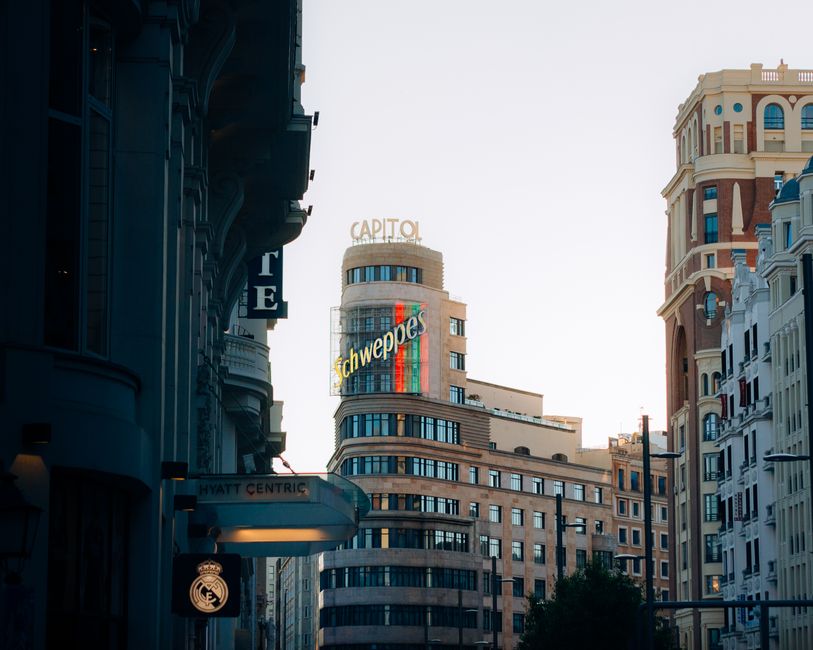
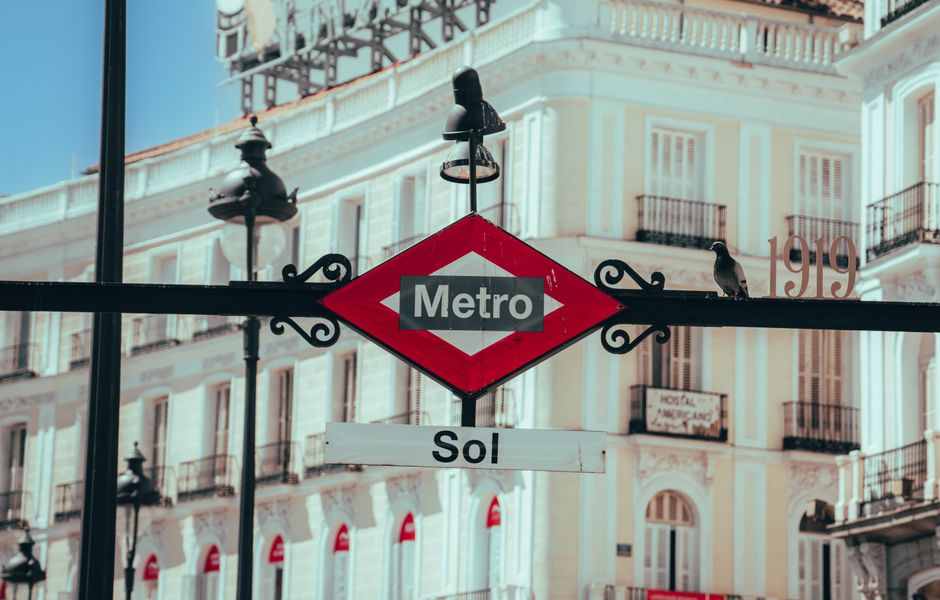
Yet Madrid is not without tensions. Housing pressure in central districts like Sol and Gran Vía has created economic displacement that critics argue pushes migrant communities toward peripheral neighbourhoods. Rental costs averaging €850 monthly for a one-bedroom flat in central areas have priced out newcomers, forcing expansion into zones like San Blas-Canillejas where support infrastructure lags.
Integration specialists point to Madrid's strength in one domain: institutional acknowledgment. Unlike some European capitals where migration remains politically contentious, Madrid's municipal institutions treat settlement infrastructure—legal aid at the Oficina de Atención al Inmigrante, healthcare navigation, labour rights workshops—as civic infrastructure equivalent to street maintenance.
The question facing Madrid now mirrors that facing Toronto, Melbourne, and Hamburg: can pragmatic institutional support outpace demographic change? As global displacement accelerates, Madrid's experiment in managed pluralism offers neither utopian solutions nor xenophobic walls. Instead, it demonstrates a third path—imperfect, underfunded, but persistently functional.
This article was compiled by AI from the sources linked above and screened before publishing. See our editorial standards.