Madrid's Crime Statistics Paint a Complex Picture as City Grapples with Public Safety Challenges
New data reveals where Madrid's emergency services are stretched thin and what the numbers tell us about safety in Europe's third-largest capital.
New data reveals where Madrid's emergency services are stretched thin and what the numbers tell us about safety in Europe's third-largest capital.

Madrid's emergency services responded to 1.2 million calls in 2025, according to figures released by the Comunidad de Madrid's emergency coordination centre, marking a 7% increase from the previous year. The data offers a granular view of where public safety pressures are mounting across Spain's capital as the city of 3.3 million residents navigates evolving security challenges.
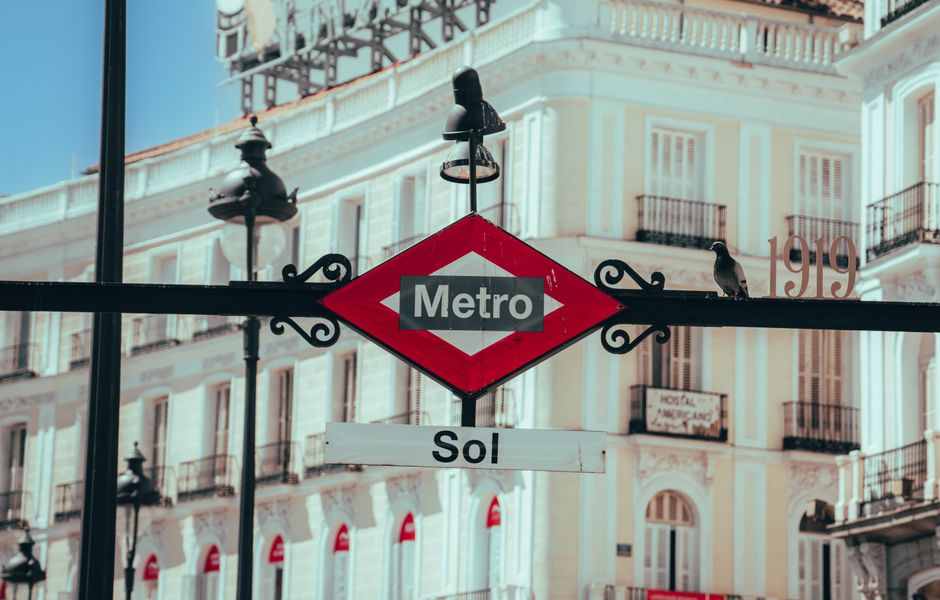
Property crime remains the dominant concern. Theft and burglary accounted for 34,500 reported incidents last year, concentrated heavily in high-footfall areas. Centro and Chamberí districts logged the highest numbers, with Puerta del Sol vicinity reporting 2,847 theft incidents annually—a 12% rise since 2023. The Policía Nacional attributes much of this to organised retail theft gangs operating along Gran Vía and near major tourist attractions around Plaza Mayor.
Violent crime, by contrast, tells a different story. Aggravated assault cases remained relatively stable at 8,220 incidents across the city, though rates in certain neighbourhoods warrant attention. Lavapiés and Vallecas experienced 340 and 298 violent incidents respectively, compared to wealthier northern districts like Pozuelo and Las Rozas at 64 and 52. The disparity reflects long-standing socioeconomic patterns rather than a deteriorating security crisis, criminologists note.
Emergency response times have become critical metrics. The city's 061 emergency medical service achieved an average response time of 8.3 minutes in central Madrid and 12.7 minutes in peripheral zones during 2025—above the European benchmark of 8 minutes for urban areas. The budget allocated to emergency services stands at €287 million annually, yet funding gaps persist. The Bomberos de Madrid operate 80 stations citywide and responded to 94,000 calls last year, with fire-related emergencies comprising just 8% of their workload; the remainder involved medical assistance and rescue operations.
Drug-related offences present another dimension. Narcotics arrests totalled 6,890 last year, with synthetic drugs increasingly dominant. Street-level operations cluster around certain metro stations and parks—Vallecas, Villaverde, and San Blas-Canillejas accounting for 38% of all drug arrests.
Perhaps most telling is public perception versus reality. A CIS survey from March 2026 found 64% of madrileños considered crime a significant concern, yet official statistics show Madrid ranks safer than comparable European capitals on most metrics. Street lighting improvements—€45 million invested since 2023—and increased community policing have coincided with modest improvements in perception, though gaps remain between data and felt security.
This article was compiled by AI from the sources linked above and screened before publishing. See our editorial standards.
How does this story make you feel?
Spread the word
About this article
Published by The Daily Madrid
Daily brief
Free, in your inbox before 7am. Weekdays.
More in News