Madrid Housing Crisis: Residents Fight Displacement Plans
Madrid residents oppose zoning changes amid soaring rents. Malasaña rents exceed €1,200/month as traditional shops close. Community groups demand affordable housing protections.
Madrid residents oppose zoning changes amid soaring rents. Malasaña rents exceed €1,200/month as traditional shops close. Community groups demand affordable housing protections.
The debate over Madrid's future intensified this week as community groups across the city's most sought-after districts organised public forums to challenge urban planning proposals that would fundamentally reshape residential neighbourhoods. The clash reflects a growing tension between city officials pursuing modernisation and residents who say they're being left behind by soaring rents and development pressures.
In Malasaña, where average rents have climbed above €1,200 per month for a modest two-bedroom apartment—nearly double the figure from a decade ago—residents have begun documenting the closure of traditional establishments. The neighbourhood's iconic vintage shops and family-run bars are giving way to corporate chains and luxury apartments aimed at international investors. "This used to be a place where Madrid lived," said one long-time resident at a packed community meeting at the Centro Cultural Montserrat on Calle Espíritu Santo, describing the neighbourhood's rapid transformation.
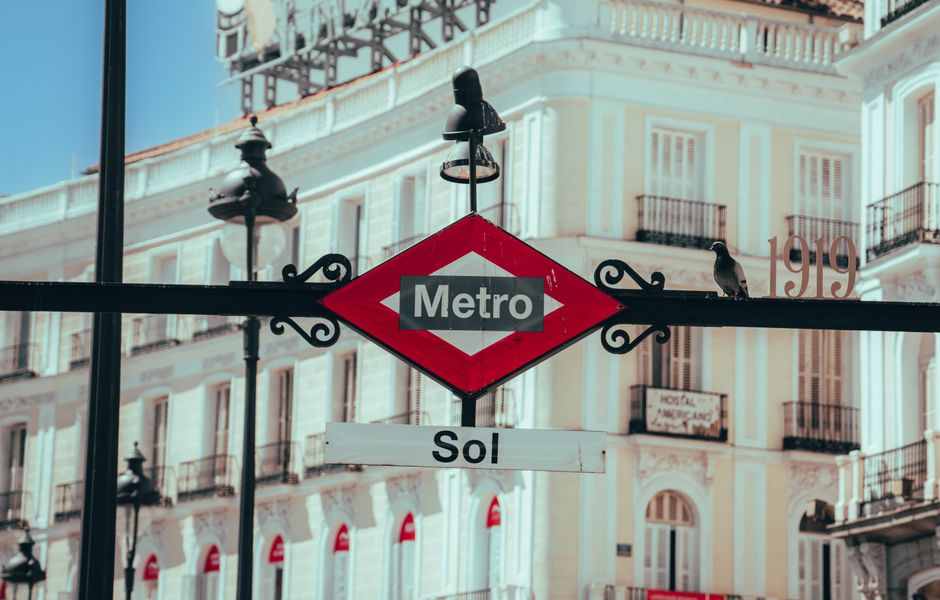
The city council's latest proposal would permit the conversion of protected residential buildings into mixed-use developments across districts including Sol, Chueca, and parts of Chamberí—areas already experiencing acute housing shortages for middle and working-class families. Current affordable housing stock in central Madrid now represents less than 12 percent of total units, according to housing advocacy groups monitoring the crisis.
Small business owners in La Latina have emerged as unexpected allies with residents, arguing that rising commercial rents—some climbing 40 percent in three years—force established vendors out. The historic Plaza Mayor's surrounding streets, once defined by artisans and independent merchants, now feature predominantly tourist-oriented establishments and chain restaurants.
At a public consultation held at the Museo de los Orígenes, community organisers presented alternative proposals emphasising mixed-income housing requirements, rent stabilisation measures, and restrictions on short-term holiday rentals that have drained long-term housing supply across central districts.
The city council has promised further community engagement before a final vote, scheduled for September. However, residents remain sceptical, noting that previous planning consultations resulted in minimal policy adjustments.
"Madrid can develop and grow," said one neighbourhood association coordinator, "but not if everyone who actually works and lives here gets pushed to the periphery. That's not progress—that's erasure."
This article was compiled by AI and screened before publishing. See our editorial standards.
How does this story make you feel?
Spread the word
About this article
Published by The Daily Madrid
Daily brief
Free, in your inbox before 7am. Weekdays.
More in News