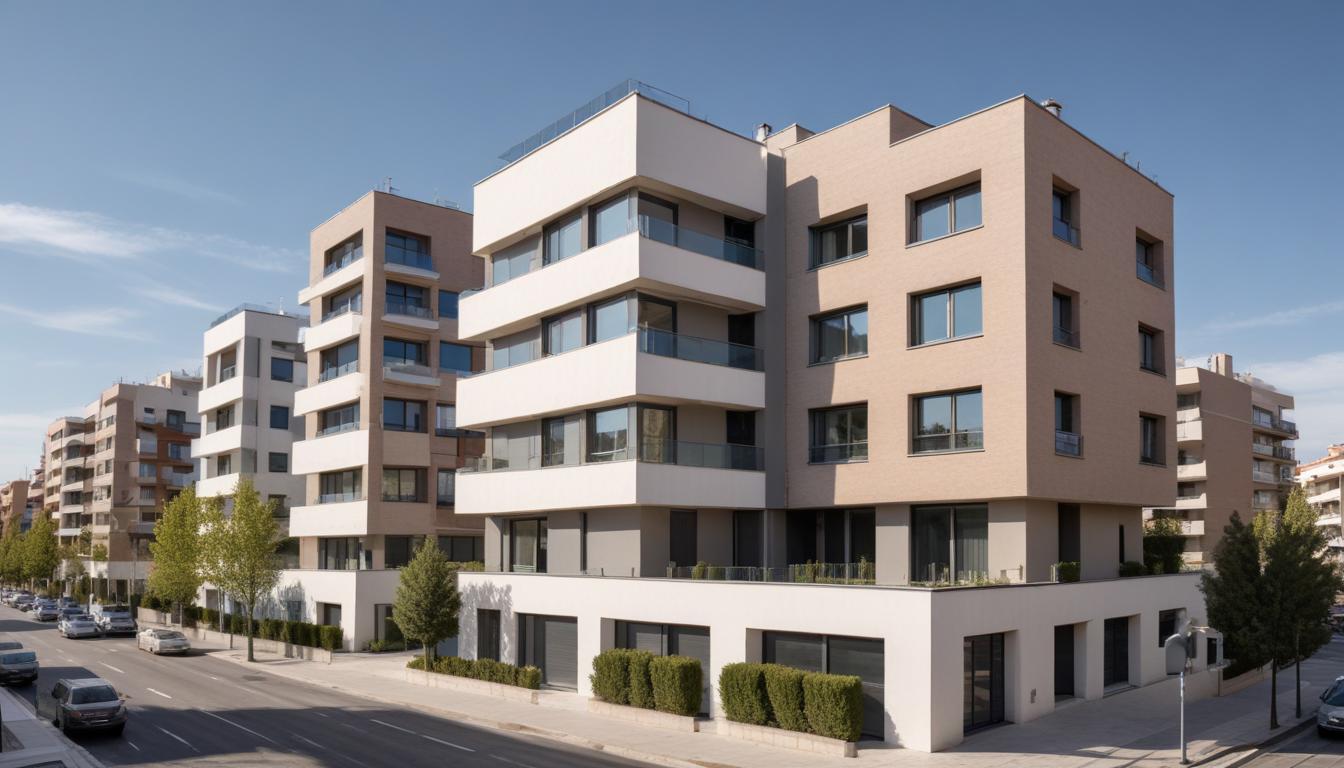
Madrid's property landscape is undergoing rapid transformation. The city council's streamlined approval process has accelerated construction permits by 23% since 2024, opening unprecedented opportunities for first-time buyers willing to navigate new developments. But the path from blueprint to keys-in-hand requires strategy.
The headline figures are compelling: new residential projects in Vallecas now start at €3,200 per square metre—roughly 30% below Salamanca's €5,800 average. Meanwhile, regeneration zones near Atocha and along the Manzanares corridor are attracting significant investment. Yet timing, location selection, and understanding construction phases can make or break your investment.
Start by distinguishing between project stages. Pre-approval developments—still in planning at municipal offices like the Gerencia Municipal de Urbanismo—carry the lowest prices but highest uncertainty. Off-plan units (planos) under construction offer moderate pricing with clearer delivery dates, typically 18-36 months out. Move-in ready new builds command premiums but eliminate waiting risk.
Location strategy matters profoundly. Vallecas projects benefit from metro expansion to Las Suertes station, justifying price growth trajectories. Chamberí's refurbished blocks near Plaza de Olavide blend heritage with modern amenities, though per-square-metre costs hover near €4,900. Malasaña remains competitive at €4,200 average, with young professionals driving demand for studios and one-bedroom units.
First-timers should prioritise developers with transparent track records. Request completion timelines in writing—Spanish regulations require developers to lodge completion bonds (garantía de cumplimiento) with the regional property registry (Registro de la Propiedad). This protects your deposit if projects stall.
Tax implications matter early. Off-plan purchases enjoy 10% VAT (IVA) rather than 6% stamp duty on finished properties, though final costs depend on property classification and your buyer status. Non-residents face additional reporting requirements through Spain's Digital Cadastre system.
Inspect structural progress personally before committing substantial deposits—typically 10-30% are required upfront. Request a detailed payment schedule (plan de pagos) tied to construction milestones verified by an independent surveyor, not just the developer's claims.
Finally, verify neighbourhood infrastructure timelines. A bargain Vallecas apartment loses appeal if promised schools, parks, or transport connections remain years away. Cross-reference municipal development plans (planes especiales de reforma interior) with your property's location.
Madrid's construction boom creates genuine first-time buyer opportunities—but only for those who understand the approval processes, developer credibility, and local urban strategy shaping their neighbourhood's future.
This article was compiled by AI from the sources linked above and screened before publishing. See our editorial standards.