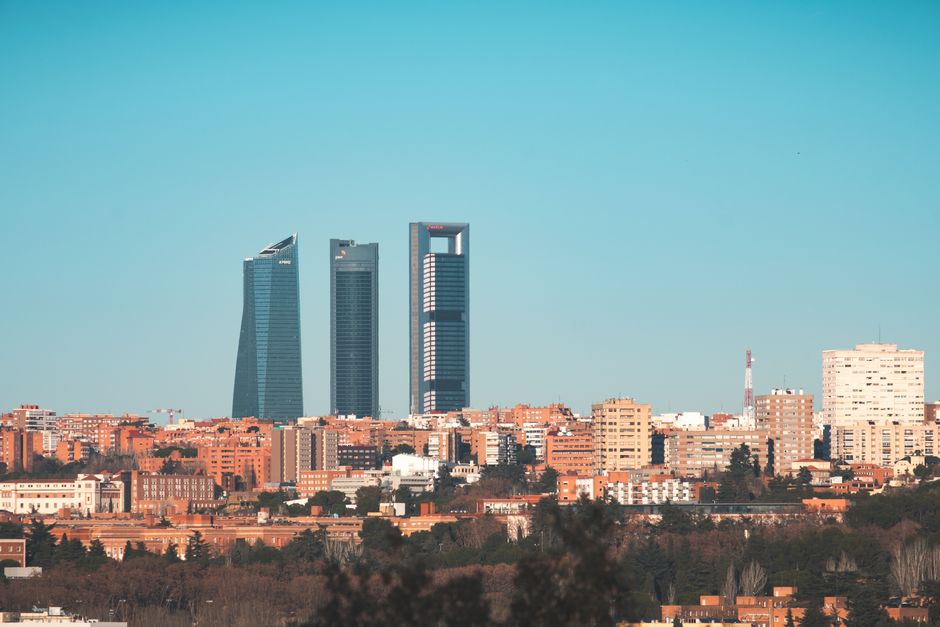
Madrid's ultra-luxury property market is experiencing a transformative moment. While the broader Spanish capital continues to expand at an average of €4,500 per square metre, the prestige segment—particularly in Salamanca, Chamberí and select Malasaña addresses—is witnessing a parallel universe of development activity that speaks to an entirely different buyer psychology.
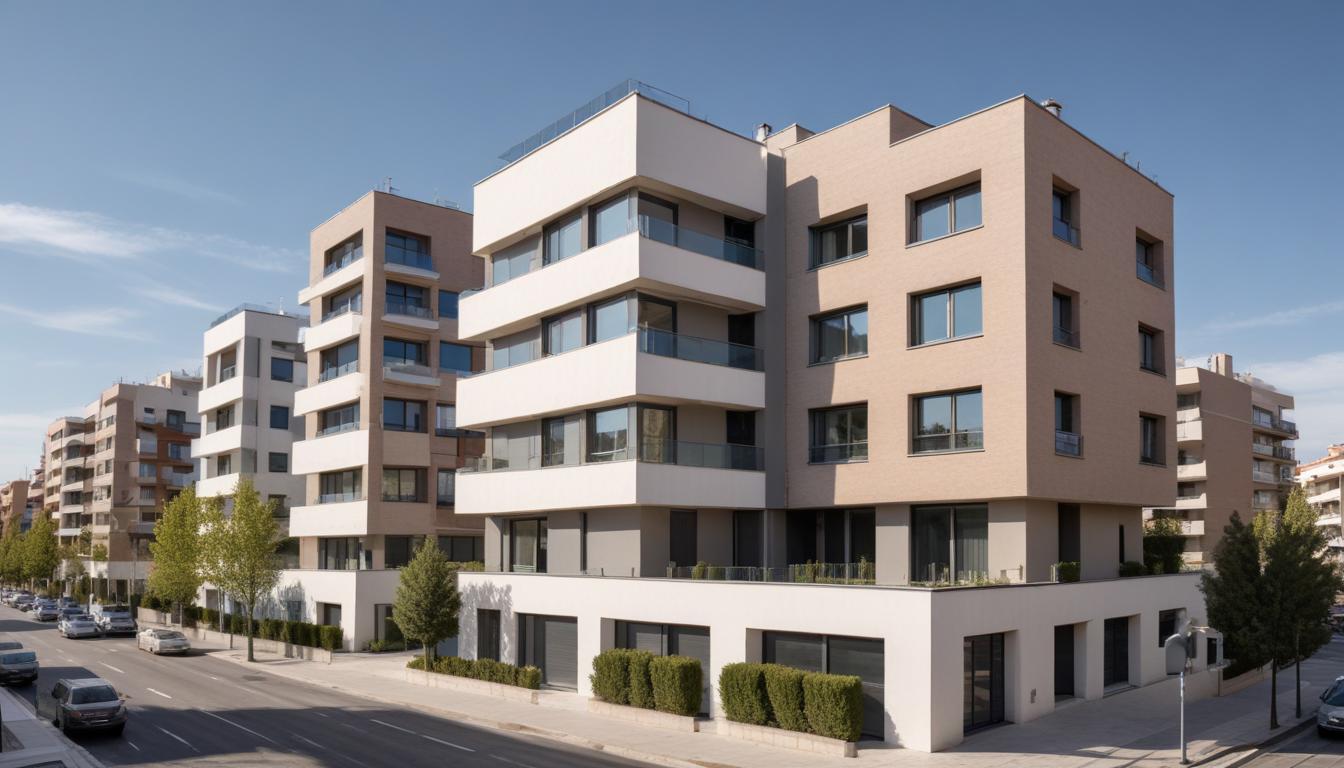
The catalyst is clear: a fresh wave of bespoke residential projects targeting the €2-4 million bracket has fundamentally altered neighbourhood trajectories and investor expectations. In Salamanca, traditionally Madrid's most exclusive enclave, contemporary renovation of Belle Époque palacetes along Calle Serrano and its adjacent avenues has created a supply crunch of authentic period luxury. New developments here respond not by competing on heritage but by offering curated modernity: smart-home ecosystems, private wellness centres, and rooftop gardens overlooking the Retiro district.
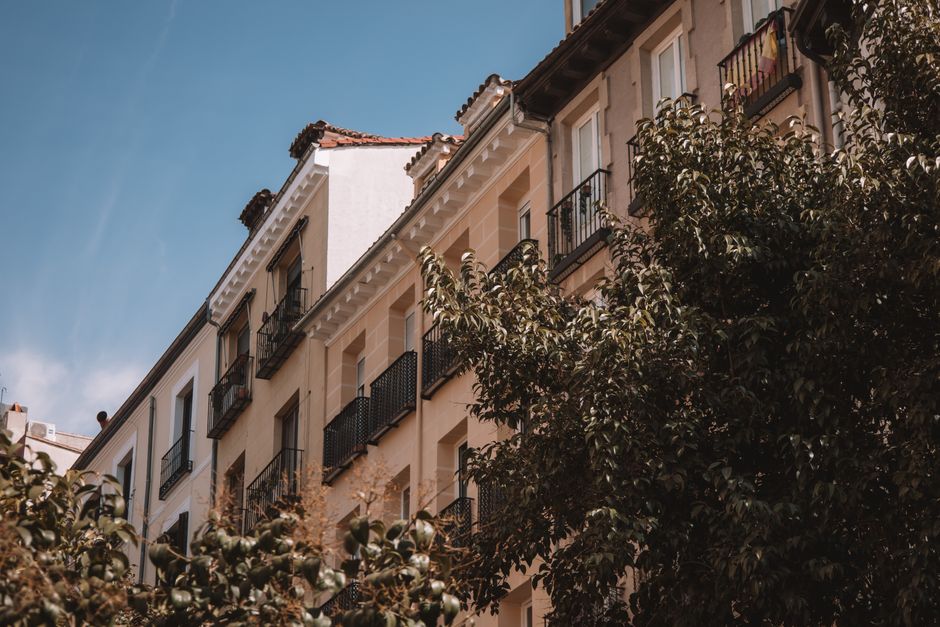
Chamberí—historically the domain of established Spanish oligarchs and diplomatic families—is witnessing equally significant change. Projects concentrated near Plaza de Olavide and along Calle Luchana are introducing a younger demographic: tech entrepreneurs, international executives, and wealth managers seeking contemporary design without sacrificing the neighbourhood's Belle Époque bones. Asking prices in these developments routinely exceed €6,500 per square metre, positioning them 45 percent above broader Madrid averages.
What distinguishes this cycle from previous booms is intentionality. Developers are no longer simply adding units; they're curating experiences and communities. Amenities now extend beyond obligatory swimming pools: residential concierge services, partnerships with Michelin-adjacent restaurants, and integration with Madrid's cultural infrastructure (proximity to Museo Lázaro Galdiano, Fundación Mapfre, and Galería Thaddaeus Ropac) have become selling points.
The international buyer dimension merits attention. Estate agents operating in these zones report that roughly 35-40 percent of purchases at the €3+ million threshold involve non-Spanish purchasers—a figure that has risen 12 percentage points in three years. Portuguese investors, Gulf-based family offices, and London-displaced finance professionals are particularly active. This internationalisation has had subtle but measurable effects: architectural standards have globalised, English-language marketing has become standard, and comparison pricing now references London, Paris and Barcelona rather than Barcelona alone.
For neighbourhoods themselves, the implications are mixed. Projects attract capital that funds restaurant openings, gallery relocations and infrastructure improvements. Conversely, they accelerate gentrification narratives, particularly visible in Malasaña, where luxury development encroachment has triggered community friction.
As Madrid positions itself as a European wealth centre, these prestige developments function as anchors—signals that the capital is serious about retaining and attracting high-net-worth individuals. Whether that ambition benefits Madrid broadly or merely concentrates advantage remains the city's unresolved question.
This article was compiled by AI from the sources linked above and screened before publishing. See our editorial standards.