Madrid's New Planning Reforms Set to Reshape Rental Yields Across Key Districts
Proposed zoning changes and density regulations are already forcing property investors to rethink strategies in Malasaña, Vallecas and Salamanca.
Proposed zoning changes and density regulations are already forcing property investors to rethink strategies in Malasaña, Vallecas and Salamanca.
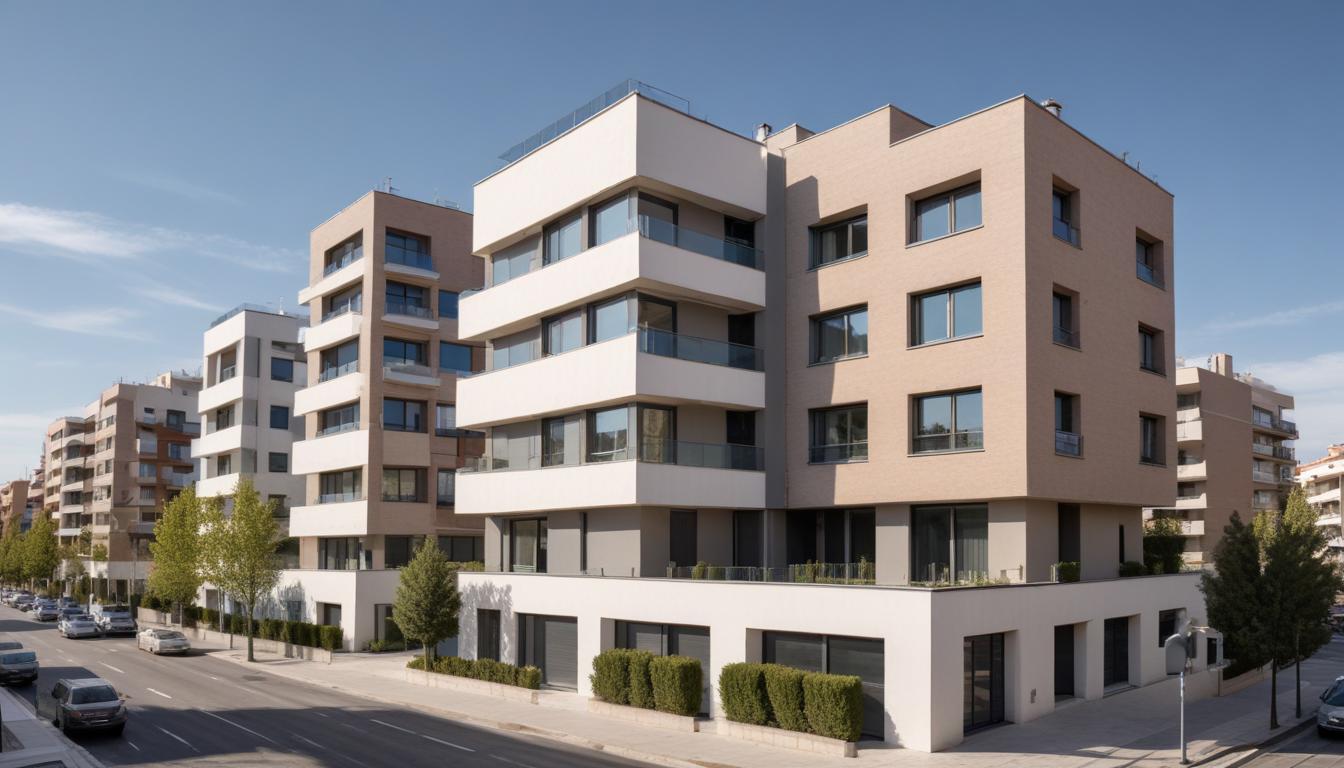
Madrid's property investment landscape is entering uncharted territory following the Regional Assembly's approval of revised urban planning frameworks that come into effect across the capital from September 2026. For landlords and buy-to-let investors, understanding these policy shifts isn't optional—it's essential to protecting margins in an increasingly complex market.
The most significant change affects short-term rental restrictions. New regulations will limit Airbnb-style lettings in several central neighbourhoods including Malasaña and Chueca, traditionally lucrative for investors chasing tourist-season premiums. Properties in these zones will now require separate commercial licensing, raising compliance costs by an estimated 8-12% annually. This has already triggered a recalibration: investors who secured properties on Calle San Vicente Ferrer and around Plaza del Dos de Mayo at EUR 4,800-5,200 per square metre are now pivoting toward longer-term residential lettings, typically yielding 3.2-3.8% gross returns compared to previous short-term peaks of 5-6%.
Conversely, Vallecas—historically overlooked—is emerging as a strategic play. The Metropolitan Planning Council's recent decision to fast-track mixed-use development along Avenida Ciudad de Barcelona has already pushed baseline prices from EUR 2,600 to EUR 3,100 per square metre. Investors securing units now could see meaningful appreciation alongside emerging 4.1% rental yields as young professionals relocate eastward seeking affordability.
Salamanca and Chamberí, Madrid's premium bastions averaging EUR 5,800 and EUR 5,400 per square metre respectively, face different pressures. Heritage conservation mandates have tightened renovation permissions, extending refurbishment timelines by 6-9 months. However, these restrictions simultaneously protect asset values by limiting supply—a silver lining for existing landlords. New builds in these zones remain restricted, effectively capping competition.
The policy framework also introduces density bonuses for developers meeting affordable-housing quotas, indirectly affecting long-term neighbourhood character and rental demand patterns. Properties near Metro stations on Lines 6 and 7 are already commanding 12-15% premiums as investors anticipate increased foot traffic from new residential complexes.
Smart investors are now commissioning detailed legal audits of their portfolios, particularly regarding compliance with the new licensing requirements. The Colegio Oficial de Agentes de la Propiedad Inmobiliaria has fielded a 340% increase in advisory consultations since April. Those who adapt quickly—whether by repositioning portfolios toward longer lets, relocating capital to emerging zones like Vallecas, or cementing premium holdings in Salamanca—will navigate 2026's transition effectively. Those who delay risk margin erosion in an increasingly regulated Madrid market.
This article was compiled by AI from the sources linked above and screened before publishing. See our editorial standards.
How does this story make you feel?
Spread the word
About this article
Published by The Daily Madrid
Daily brief
Free, in your inbox before 7am. Weekdays.
More in Property