Madrid's luxury property sector is quietly outperforming expectations. While the city's average residential price hovers around EUR 4,500 per square metre, elite postcodes are telling a markedly different story—one that has attracted international capital and rewarded patient investors with tangible returns.
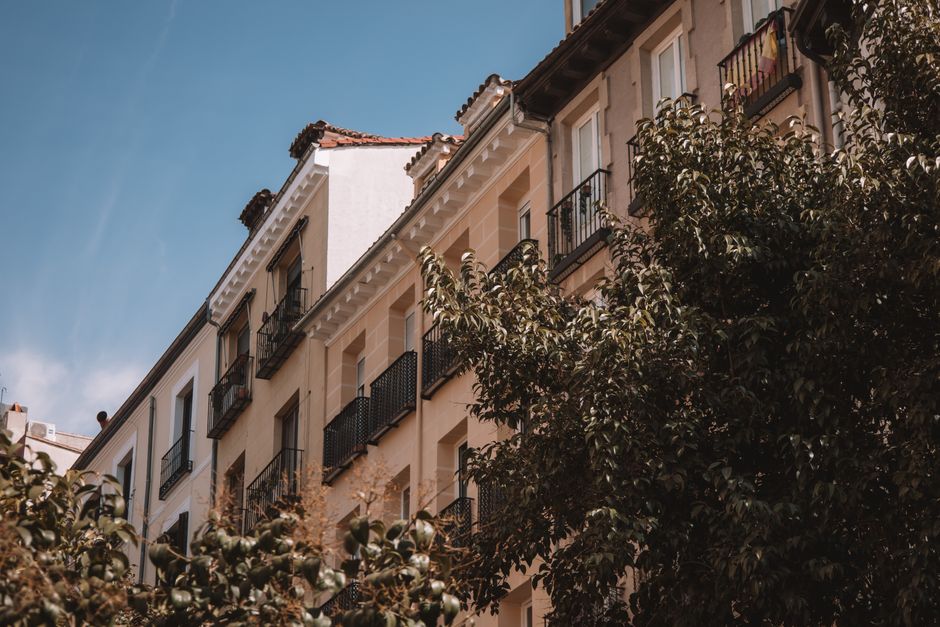
Salamanca, the capital's crown jewel, has witnessed consistent year-on-year appreciation. Penthouses and renovated period properties along Calle Serrano and Calle Ortega y Gasset command between EUR 10,000 and EUR 12,000 per square metre. Real estate analysts tracking the segment note that premium flats purchased five years ago have appreciated 6–8 per cent annually, translating to seven-figure gains on EUR 2–3 million acquisitions. When factored alongside rental yields of 2.5–3.5 per cent from international tenants and expatriate demand, the total return profile becomes compelling.
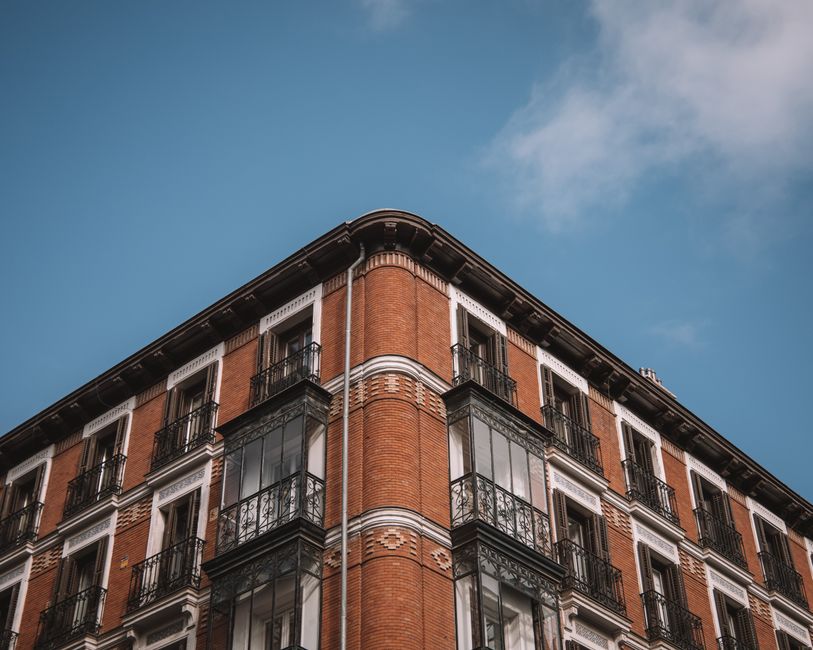
Chamberí, adjacent and equally prestigious, presents comparable metrics. The neighbourhood's Belle Époque mansions and contemporary renovations occupy the EUR 8,000–10,000 bracket, with similar appreciation trajectories. Investors here benefit from proximity to Paseo de la Castellana's corporate hubs and the Museo Sorolla's cultural cachet, anchoring long-term value.
The data extends beyond central enclaves. Vallecas, once dismissed as peripheral, now registers measurable investor interest. Strategic regeneration projects, coupled with emerging hospitality and creative sectors around venues like Matadero Madrid, have driven prices upward from EUR 3,200 to EUR 4,200 per square metre in select micro-locations within the past 36 months. Early entrants have realised 15–18 per cent total appreciation—though volatility remains higher than in established luxury zones.
What the numbers reveal is stratification. Madrid's luxury market operates on fundamentals distinct from mass-market residential. International buyer participation—particularly from Continental Europe, the UK, and the Americas—underpins demand for trophy assets in Salamanca and Chamberí. These investors prioritise stability and heritage over speculation. Conversely, domestic and regional capital increasingly eyes secondary-luxury neighbourhoods like Malasaña and Chueca, where renovation potential and gentrification narratives drive near-term capital gains, albeit with greater cyclical risk.
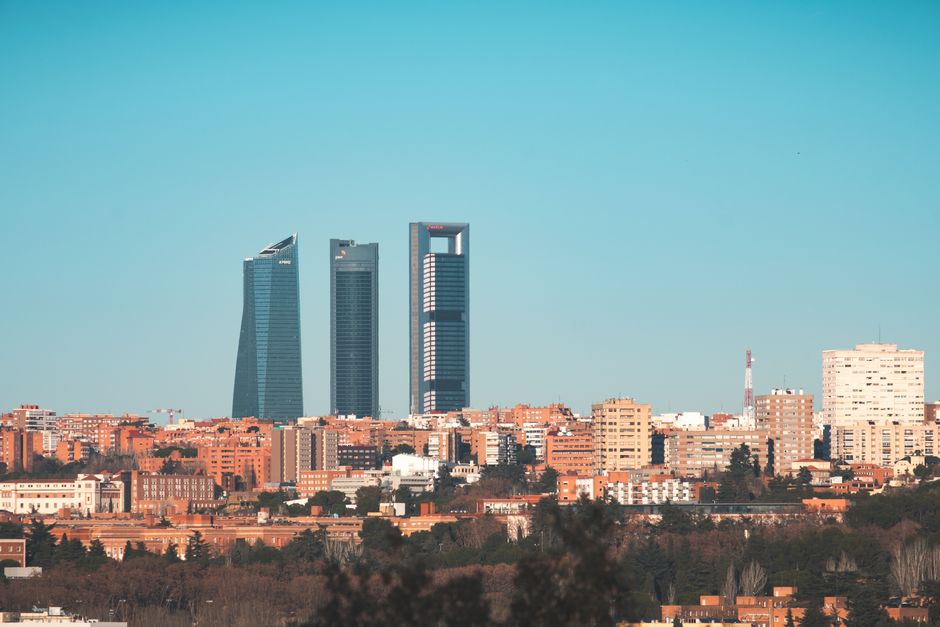
Madrid's position as Spain's financial and cultural hub ensures sustained foreign investment appetite. Rising interest rates have tempered speculative excess observed pre-2024, but they have simultaneously filtered out marginal buyers, benefiting serious wealth deployers. For those with sufficient capital and a three-to-five-year horizon, the data suggests Madrid's prestige envelope—particularly Salamanca—remains a dependable store of value wrapped in European sophistication.
This article was compiled by AI from the sources linked above and screened before publishing. See our editorial standards.