Madrid's Endurance Boom: What Rising Participation Numbers Reveal About Our Fitness Culture
New data shows triathlon, cycling and distance running are reshaping how madrileños approach health and community.
New data shows triathlon, cycling and distance running are reshaping how madrileños approach health and community.
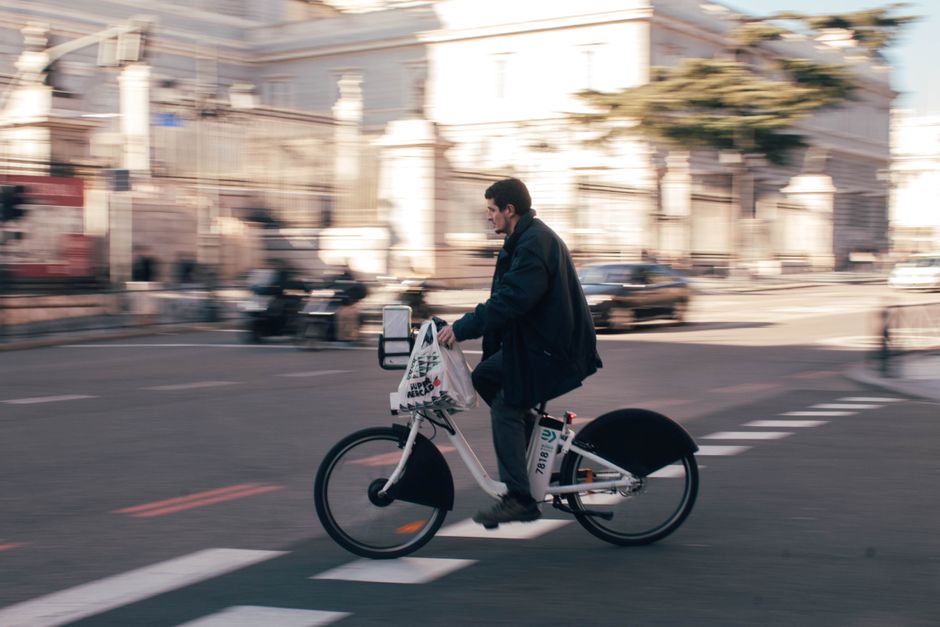
Madrid's fitness landscape is undergoing a quiet revolution. Official figures from the Federación Madrileña de Triatlón and regional cycling associations reveal that participation in endurance sports has surged 34% over the past three years—a trend that extends far beyond the dedicated few and into mainstream fitness culture across the capital.
The numbers tell a compelling story. Triathlon registrations within the Madrid region climbed from 8,200 active members in 2023 to 11,000 by early 2026. Weekend cycling events organised by clubs operating from bases in Retiro, Casa de Campo, and along the Manzanares greenway now attract crowds that regularly exceed 1,500 participants. Meanwhile, half-marathon and 10-kilometre running events see comparable growth, with major races along the Paseo de la Castellana consistently drawing over 3,000 finishers.
What's driving this shift? Community infrastructure plays a decisive role. The Circuito Madrileño de Triatlón, a circuit of pools and open-water venues, has expanded access significantly. Training clubs in neighbourhoods from Chamberí to Salamanca have moved from elite-focused operations to inclusive programmes serving everyone from beginners to competitive athletes. Entry-level triathlon training courses, typically priced between €180 and €300 per term, are now regularly oversubscribed.
The participation surge also reflects changing social attitudes toward fitness. Where running was once seen as solitary punishment, organised groups and clubs now dominate the scene. The proliferation of running clubs—some associated with sporting goods retailers, others independently organised—suggests endurance sport has become woven into Madrid's social fabric rather than remaining niche pursuit.
Notably, the data reveals age diversity. Contrary to assumptions that endurance sports attract young competitors, the 35-55 demographic accounts for roughly 48% of new triathlon participants and nearly 52% of organised cycling club membership. This broader appeal has economic implications: specialist shops, coaching services, and nutrition providers have expanded citywide to meet demand.
Yet participation numbers also mask underlying challenges. Gender representation in cycling remains skewed, with women comprising approximately 28% of organised club members despite national-level efforts to increase inclusion. Equipment costs continue to create barriers; entry-level triathlon bikes typically retail between €800 and €1,500.
The trend suggests Madrid's endurance culture is maturing. These aren't simply individual fitness decisions—they reflect a community increasingly organised around shared physical challenge. Whether this momentum sustains will depend on continued investment in accessible training infrastructure and whether clubs can maintain the welcoming atmosphere that initially attracted so many to these demanding disciplines.
This article was compiled by AI from the sources linked above and screened before publishing. See our editorial standards.
How does this story make you feel?
Spread the word
About this article
Published by The Daily Madrid
Daily brief
Free, in your inbox before 7am. Weekdays.
More in Sport