Madrid's Sporting Venues Reveal a City Obsessed with Staying Active
Participation data from the capital's major stadiums and facilities shows fitness culture is reshaping how madrileños spend their time and money.
Participation data from the capital's major stadiums and facilities shows fitness culture is reshaping how madrileños spend their time and money.
Walk through the Barrio de Salamanca on any weekday morning, and you'll see them: runners in technical gear converging on the Parque del Retiro, their numbers swelling year after year. This isn't anecdotal observation—it's backed by hard data. Participation figures from Madrid's major sporting venues reveal a city undergoing a profound shift in its relationship with fitness and recreational activity.
The Metropolitan Sports Complex in the northern outskirts of the city recorded 847,000 individual visits last year, a 23 percent increase from 2024. Meanwhile, the municipal tennis facilities scattered across neighbourhoods like Tetuán and Moratalaz report waiting lists extending into autumn for court bookings. These aren't elite athletes; they're accountants, teachers, and shop owners carving out time for structured physical activity.
At the Polideportivo Municipal José Mª Martínez Alesón in Carabanchel, swimming pool membership has grown 31 percent over two years, with evening classes now running continuously from 5 p.m. until 10 p.m. to accommodate demand. Monthly memberships cost €45—affordable enough for working-class families, yet substantial enough to suggest genuine commitment rather than casual interest.
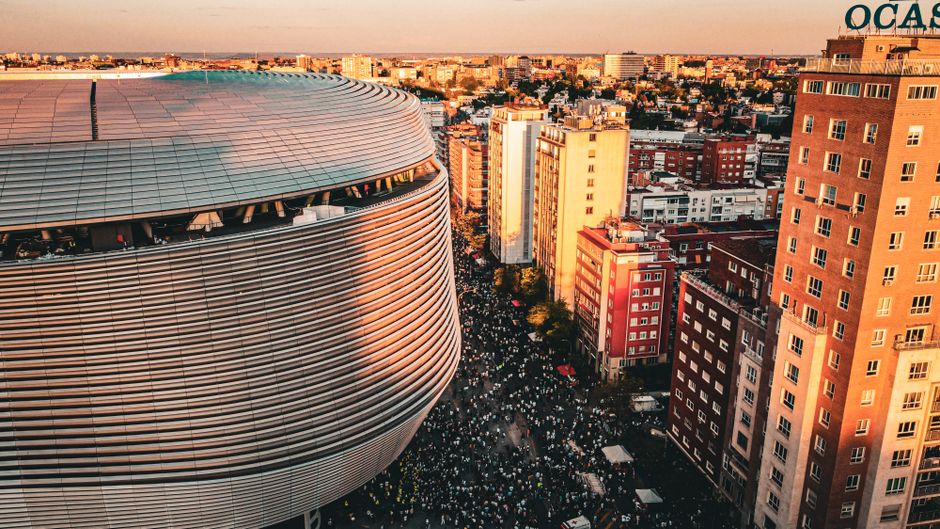
This participation boom extends to the city's professional venues. The Santiago Bernabéu and Civitas Metropolitano, home to Madrid's football titans, have expanded their stadium tour and community sports programmes significantly. But beyond football, the data points to something broader: a democratisation of fitness culture previously concentrated among the wealthy.
The Caja Mágica, Madrid's premier tennis facility in Arganzuela, reports that approximately 40 percent of its 12,000 annual participants come from working-class backgrounds—a striking demographic shift from a decade ago. Prices remain steep for serious training (€80-120 monthly for regular court access), yet demand suggests people are prioritising health expenditure.
What does this tell us about Madrid's fitness culture? First, that physical activity is no longer a niche pursuit for the affluent. Second, that the city's municipal infrastructure, despite chronic underfunding complaints, is meeting genuine demand. Third, that madrileños are increasingly viewing fitness as essential lifestyle infrastructure, not discretionary luxury.
The trend holds particular significance given Spain's ongoing public health discussions around obesity and sedentary living. Madrid's participation data suggests the capital may be outpacing national trends. Whether this reflects genuine cultural shift or merely reflects the anomaly of an affluent capital city remains to be seen—but the numbers speak clearly: madrileños are moving.
This article was compiled by AI from the sources linked above and screened before publishing. See our editorial standards.
How does this story make you feel?
Spread the word
About this article
Published by The Daily Madrid
Daily brief
Free, in your inbox before 7am. Weekdays.
More in Sport