Your Guide to Madrid's Gym Scene: How to Get Involved and What You Need to Know to Start
From boutique CrossFit boxes in Malasaña to traditional iron gyms in Chamberí, Madrid's fitness culture is booming—here's everything a newcomer needs to know.
From boutique CrossFit boxes in Malasaña to traditional iron gyms in Chamberí, Madrid's fitness culture is booming—here's everything a newcomer needs to know.
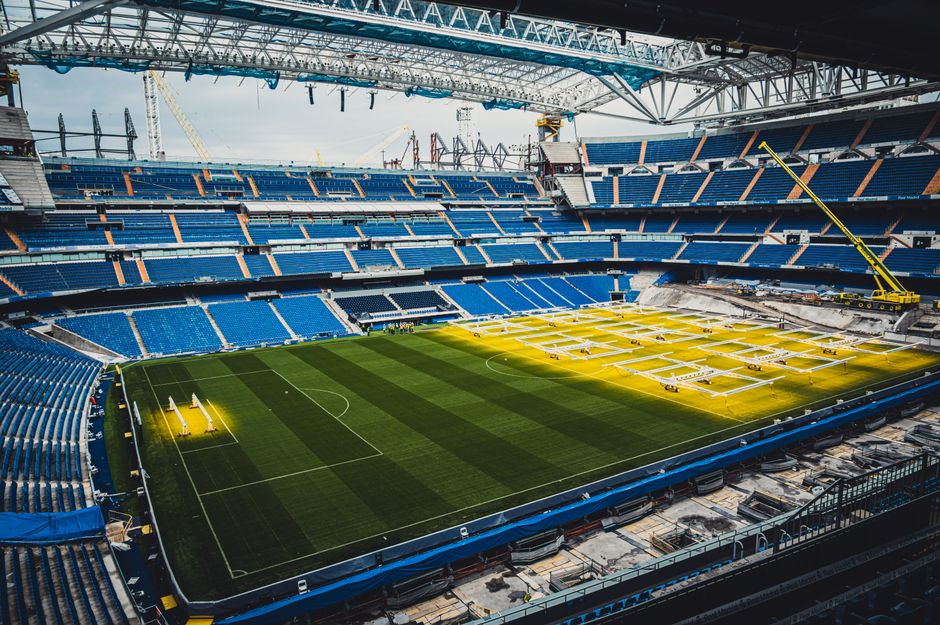
Madrid's gym and fitness culture has transformed dramatically over the past five years, evolving from basic weight-lifting clubs to a diverse ecosystem of specialized training facilities serving every fitness philosophy imaginable. Whether you're a complete beginner or returning to exercise after time away, navigating this expanding landscape requires understanding what's available, what it costs, and where to start.
The city's traditional stronghold for fitness remains in neighbourhoods like Chamberí and Salamanca, where established gyms such as those along Calle de Núñez de Balboa offer comprehensive facilities with personal training services. Membership typically ranges from €40 to €80 monthly for standard gym access, though premium facilities can exceed €120. These venues remain the backbone of Madrid's fitness infrastructure, offering flexibility and variety for those testing the waters.
But Madrid's fitness renaissance has accelerated in trendier areas. Malasaña has become a hotspot for boutique fitness communities—CrossFit boxes, yoga studios, and functional training centres now dot streets like Calle de Espíritu Santo. These specialized studios typically charge €60 to €100 monthly or €12-15 per class, making them accessible to those seeking community-driven environments rather than anonymous gym floors.
For absolute beginners, starting requires minimal investment beyond membership fees. Most Madrid gyms provide complimentary induction sessions, during which staff assess your fitness level and teach basic technique. Investing in proper footwear (€60-100) and comfortable clothing matters more than expensive equipment. Many gyms stock free weights, machines, and cardio equipment; supplementing with resistance bands (€10-20) offers flexibility for home training.
The decision between traditional gyms and boutique studios ultimately depends on your goals and personality. Traditional gyms suit those wanting flexibility, variety, and affordability. Boutique studios attract people seeking accountability, community, and specialized instruction—though commitment typically means higher costs.
Madrid's fitness culture also extends beyond membership-based venues. Outdoor fitness groups meet regularly in Retiro Park and Casa de Campo, offering free or donation-based sessions. Apps and online platforms have made remote coaching increasingly viable, particularly for those with inconsistent schedules.
Before committing financially, visit facilities during your intended training times. Observe the atmosphere, equipment condition, and crowd demographics. Many gyms offer trial periods—exploit these to ensure compatibility. Start conservatively with training frequency (2-3 sessions weekly) to build sustainable habits rather than burning out through overambitious routines.
Madrid's competitive fitness landscape means excellent value for serious practitioners. The infrastructure exists; finding your fit requires honest self-assessment about your goals, budget, and preferred training environment.
This article was compiled by AI from the sources linked above and screened before publishing. See our editorial standards.
How does this story make you feel?
Spread the word
About this article
Published by The Daily Madrid
Daily brief
Free, in your inbox before 7am. Weekdays.
More in Sport