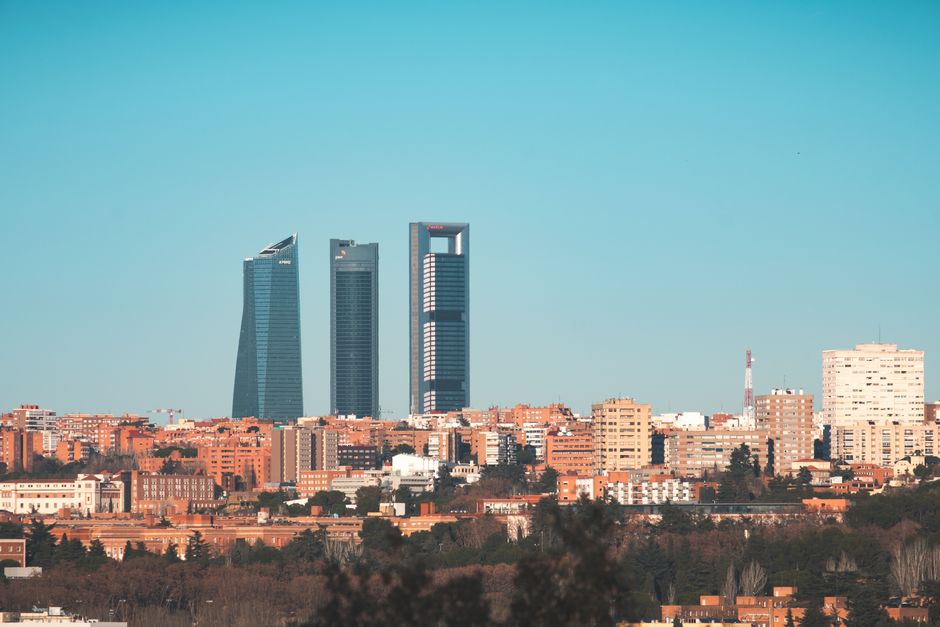
Vallecas has always been Madrid's neighbourhood of contradictions: working-class roots, strategic location, and until recently, persistent undervaluation. Today, that equation is shifting dramatically. A wave of significant development projects—particularly around the Manzanares riverfront and the emerging cultural quarter near Parque de la Arganzuela—is forcing investors and residents to reconsider what this southeast district will become.
The Manzanares regeneration initiative, championed by city officials over the past five years, has fundamentally altered investment calculus. Where square-metre prices hovered around €3,200 in central Vallecas three years ago, newer developments with riverside access are now commanding €4,100–€4,600 per square metre—a gap that narrows considerably against Madrid's €4,500 average, and raises an obvious question: is Vallecas finally bridging its valuation gap, or pricing out its existing community?
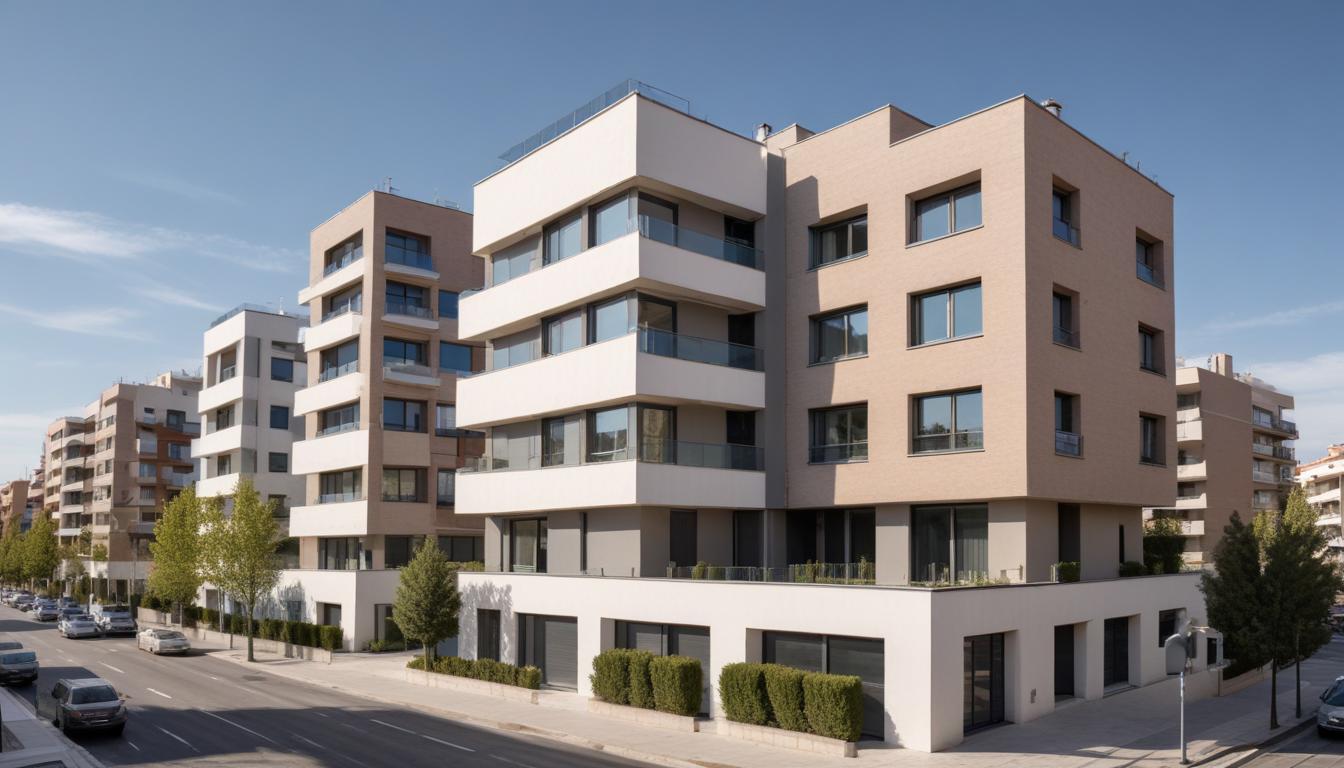
The numbers suggest genuine momentum. Three major schemes currently under construction—including a 450-unit mixed-use complex near Puente de Toledo and another 320-unit residential-retail project anchored to the refurbished Matadero Madrid cultural space—represent roughly €380 million in committed capital. Neither project is speculative; both developers have secured institutional backing and are tracking ahead of initial timelines.
What differentiates these projects from earlier Vallecas investment waves is intentionality around public infrastructure. New developments are contractually obligated to contribute to pedestrian pathways, cycling lanes, and green space connectivity. The addition of a new metro interchange near the Arganzuela park, scheduled for completion in 2027, adds measurable transit value that extends beyond marketing rhetoric.
Yet structural questions persist. Existing Vallecas residents—many in rent-controlled properties or owner-occupied modest apartments—face displacement pressure as district valuations climb. Local associations, including long-established community groups based on Avenida de la Paz, have flagged concerns about gentrification velocity. Developers counter that affordability quotas (typically 15–20% of units in new schemes) address social balance, though advocates argue this remains insufficient.
For investors evaluating entry points, the timeline matters. First-phase completions from 2027 onwards will reveal whether demand matches development ambitions. Institutional money is betting it will; smaller investors should monitor absorption rates and how the district's character—its independent bars, family-run shops, weekend markets—either persists or transforms under development pressure. Vallecas is no longer an emerging opportunity; it's actively emerging. The question now is whether that emergence serves existing residents or replaces them.
This article was compiled by AI from the sources linked above and screened before publishing. See our editorial standards.