For decades, Vallecas has occupied an uncomfortable margin in Madrid's property consciousness—too far from the Gran Vía for international buyers, too gritty for established wealth, yet unmistakably Madrid. That narrative is shifting fast. Recent municipal data shows average prices in the neighbourhood climbing to €2,800–€3,200 per square metre, still nearly 40 per cent below the city average of €4,500, yet rising at double the rate of established postcodes like Salamanca and Chamberi.
The catalyst is straightforward: supply, regulation, and investor appetite for social-minded returns. Madrid's 2023 Housing Plan explicitly prioritised affordable units across peripheral zones. Vallecas, with its grid of available industrial land and metro connectivity via lines 6 and 11, became a natural laboratory.
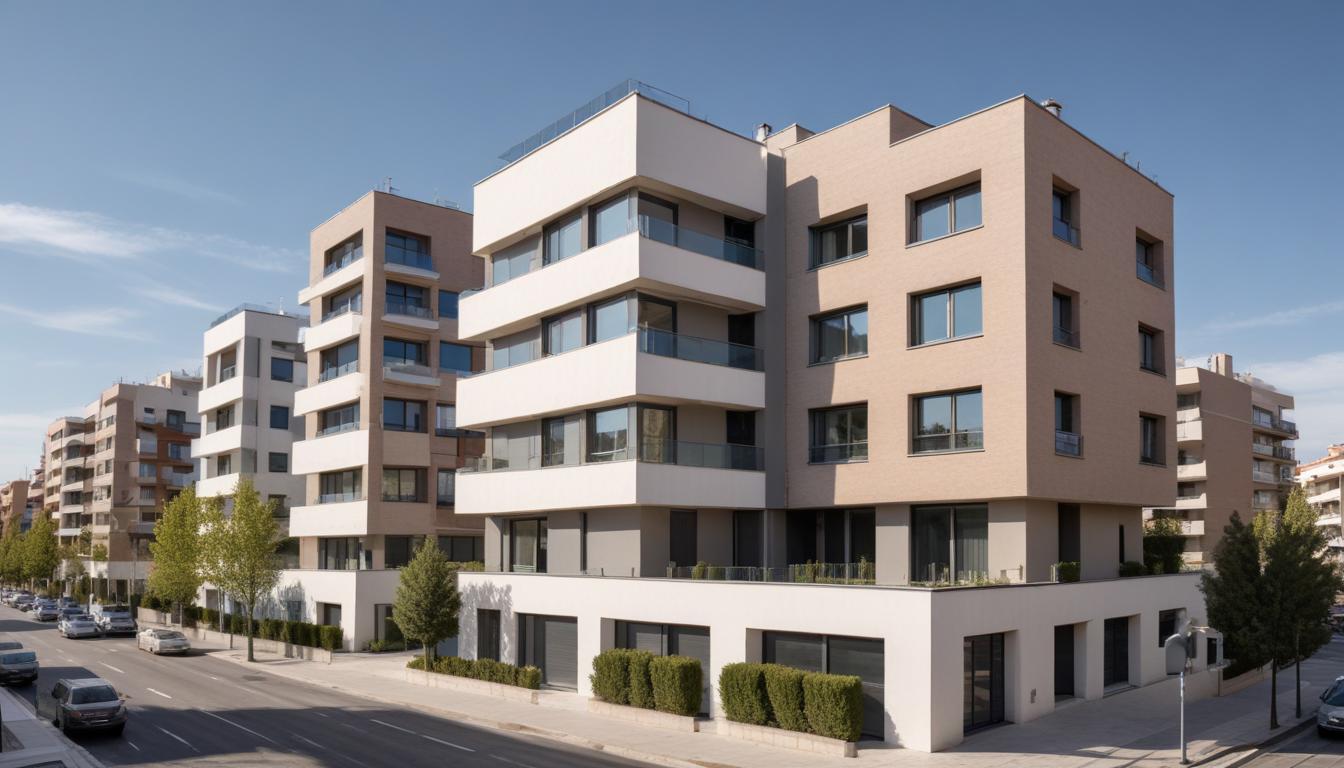
The development around Puente de Vallecas station illustrates the shift. Three separate mixed-tenure projects broke ground in 2024–2025, combining subsidised units (capped at €800–€1,200 monthly rent) with market-rate apartments. Local real estate firms report investor interest clustering around Avenida de la Albufera and Calle Peña Gorbea, where plot prices have doubled since 2023. Meanwhile, established neighbourhood anchors—the Parque de Pradolongo, the cultural spaces along Avenida del Mediterráneo—provide the urban texture that makes affordability sustainable.
What distinguishes Vallecas from speculative fringes is its demographic diversity and civic infrastructure. Unlike greenfield suburbs, the neighbourhood has schools, hospitals, and commercial corridors already embedded. This attracts not just investors seeking yield, but first-time buyers who need genuine housing, not spreadsheet entries. Local cooperative housing groups, including ventures backed by Madrid's housing authority, have secured several sites for build-to-own schemes—a model gaining traction across Spain as inequality concerns sharpen.
Challenges remain. Transport links to employment hubs in the north still favour private cars. Social mix in newer developments hasn't eliminated scepticism among established Madrid property circles. Yet the fundamentals align: regulatory tailwinds, demographic demand, and an emerging recognition that 'affordable' and 'investable' are no longer contradictory terms.
Real estate consultancies tracking Madrid's housing cycle note Vallecas rentals now yield 4.2–4.8 per cent annually—competitive with city averages, but with stronger capital appreciation potential. For developers balancing ESG mandates with fiduciary duty, the equation works. For Vallecas residents watching their neighbourhood transform, the stakes are less abstract: whether development brings opportunity or displacement.
This article was compiled by AI from the sources linked above and screened before publishing. See our editorial standards.