Madrid's Housing Squeeze: What's Actually Pushing Prices Up—and What Buyers Must Know Right Now
International demand, tourism pressure, and limited supply are reshaping the capital's market—here's how to navigate 2026's tighter conditions.
International demand, tourism pressure, and limited supply are reshaping the capital's market—here's how to navigate 2026's tighter conditions.
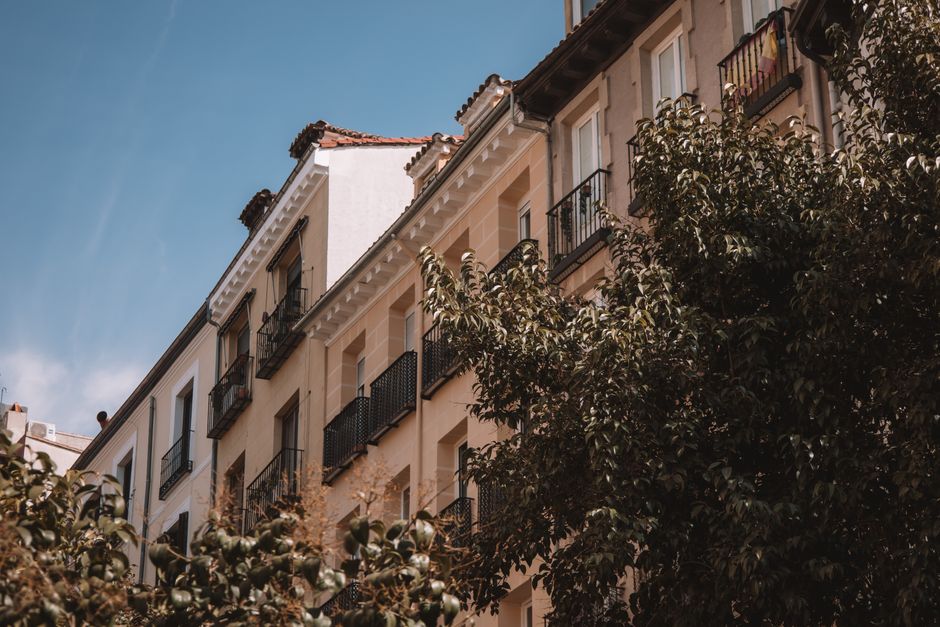
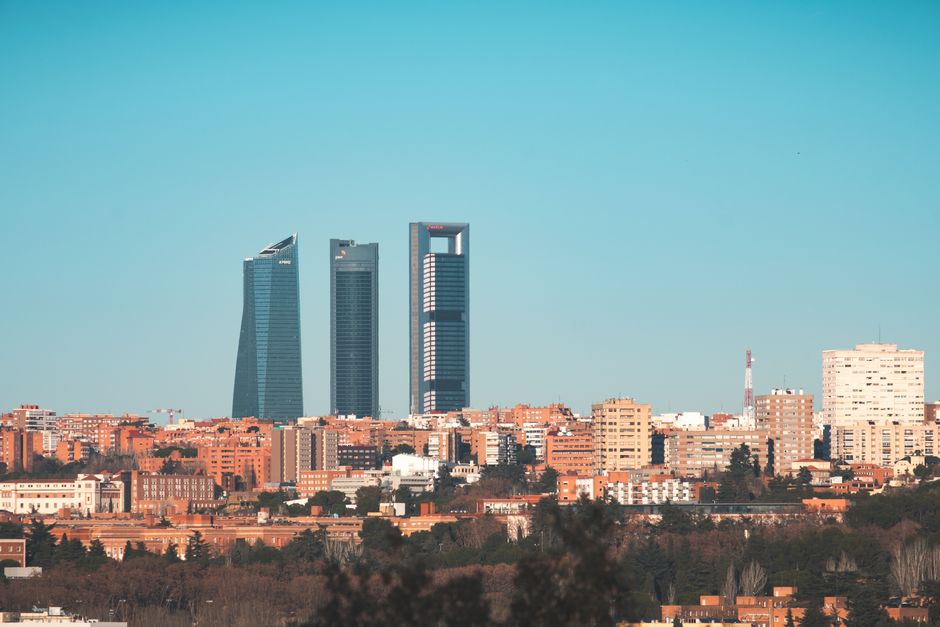
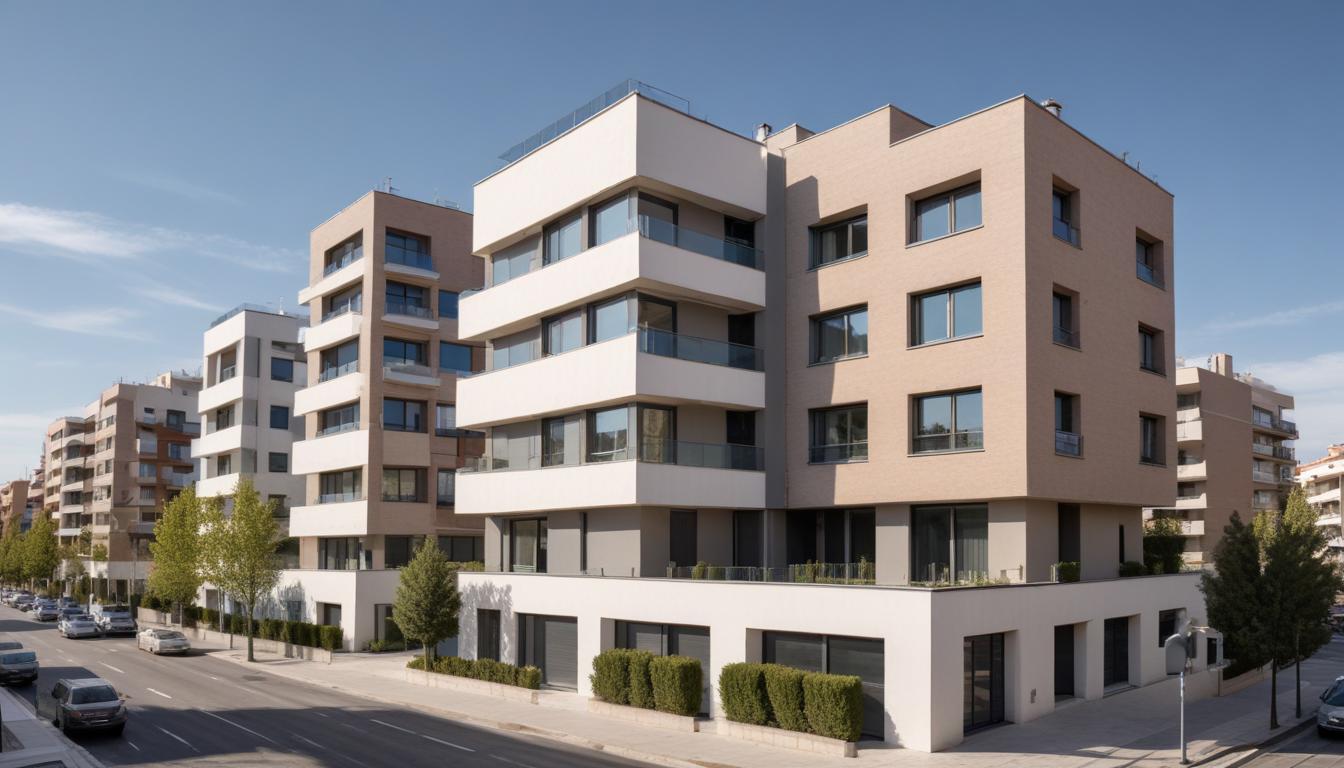
Madrid's property market is at an inflection point. The city's average price of €4,500 per square metre masks a more volatile reality: institutional investors competing with owner-occupiers, foreign buyers outbidding locals, and a chronic shortage of developable land driving values into uncomfortable territory for middle-income Madrileños.
Three forces are colliding. First, international capital remains robust. Buyers from the UK, France, and increasingly the US view Madrid as a gateway to Europe, with Salamanca and Chamberí commanding premiums of 30–40% above city averages. A two-bedroom apartment on Calle Serrano now routinely exceeds €850,000. Second, tourism-driven conversion—particularly the short-term rental boom around Plaza Mayor and Gran Vía—continues diverting residential stock from the long-term market. Third, and most acute: Madrid's municipal planning constraints mean buildable land is scarce, and recent regulatory tightening on density has made new supply glacial.
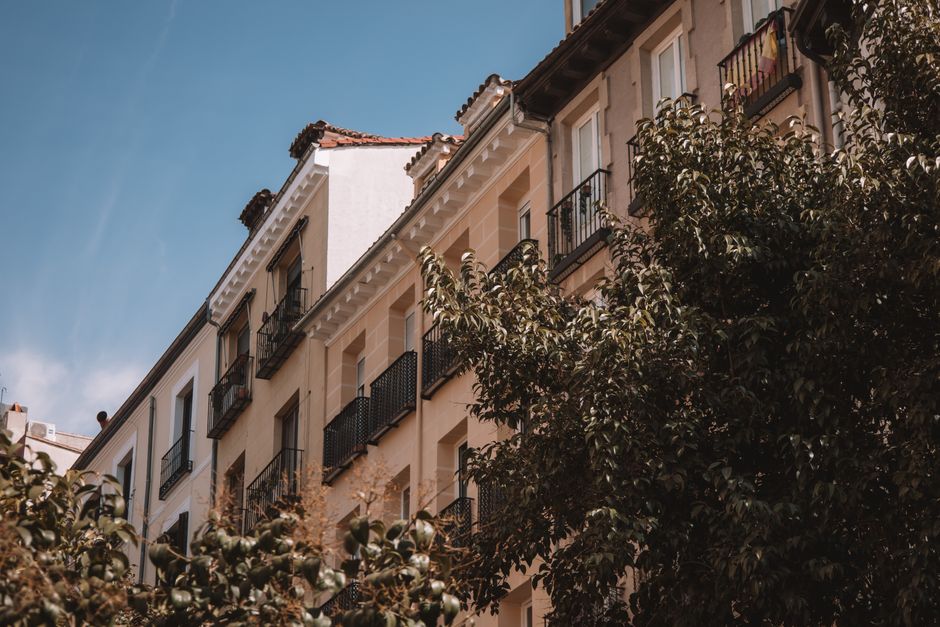
The middle neighbourhoods tell the real story. Malasaña and Chueca, once affordable alternatives, have seen prices climb 12–15% year-on-year. A modest one-bedroom flat that cost €320,000 in 2023 now approaches €380,000. Vallecas, the traditional growth engine for first-time buyers, is following the same trajectory—gentrification is no longer theoretical there.
What should buyers know? First, the clearance rate has softened, suggesting negotiation room exists—but only for properties priced above market expectations. Second-hand stock in central zones moves fast; the margins for patient buyers are tightening. Second, mortgage conditions have stabilised but remain tight by 2023 standards. Lenders expect 20–25% deposits on anything above €500,000. Third, the rental alternative is worth calculating. In many neighbourhoods, renting remains 35–40% cheaper than buying on a five-year horizon.
The wildcard is regulation. Madrid's new zoning proposals around Avenida de América and the southern Vallecas corridor could unlock supply by 2027–28, potentially moderating price growth. But execution has been inconsistent; don't count on relief soon.
For overseas investors and Spanish buyers alike, the message is clear: urgency is overrated, but timing matters. Properties with genuine scarcity—corner plots in Retiro-adjacent zones, renovated period apartments in Chueca—remain solid long-term holds. Generic stock at peak prices? That's where buyers should pause and ask harder questions.
This article was compiled by AI from the sources linked above and screened before publishing. See our editorial standards.
How does this story make you feel?
Spread the word
About this article
Published by The Daily Madrid
Daily brief
Free, in your inbox before 7am. Weekdays.
More in Property