Madrid's property market stands at a crossroads as municipal planning reforms begin reshaping the city's residential geography. The Ayuntamiento's revised zoning framework, unveiled earlier this year, is already proving a decisive factor in neighbourhood valuations—with some areas benefiting from relaxed density rules while others face mounting pressure from restricted development.
The policy shift targets Madrid's chronic affordability crisis. Average prices of €4,500 per square metre mask stark disparities: Salamanca and Chamberí remain firmly in premium territory, while southern districts like Vallecas have emerged as growth hotspots precisely because planners are fast-tracking mid-rise residential projects there. The Ronda de Atocha corridor and Avenida de América commercial zones have attracted particular attention under new provisions allowing mixed-use development.
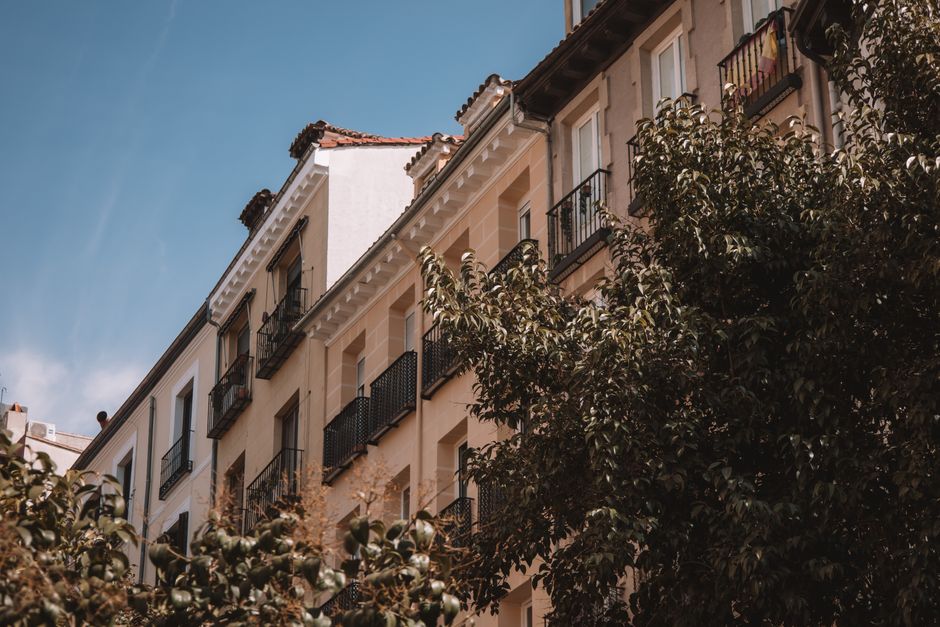
What's driving real market momentum, however, is how these reforms interact with existing scarcity. Malasaña and Chueca, long popular with younger buyers and investors seeking character, now face stricter heritage overlay rules aimed at preserving their historic fabric. Property agents report buyer interest hasn't cooled—but it's shifting eastward. Investors who acquired in these neighbourhoods three years ago are now capitalising on restricted supply, a dynamic that ironically contradicts the Ayuntamiento's affordability ambitions.
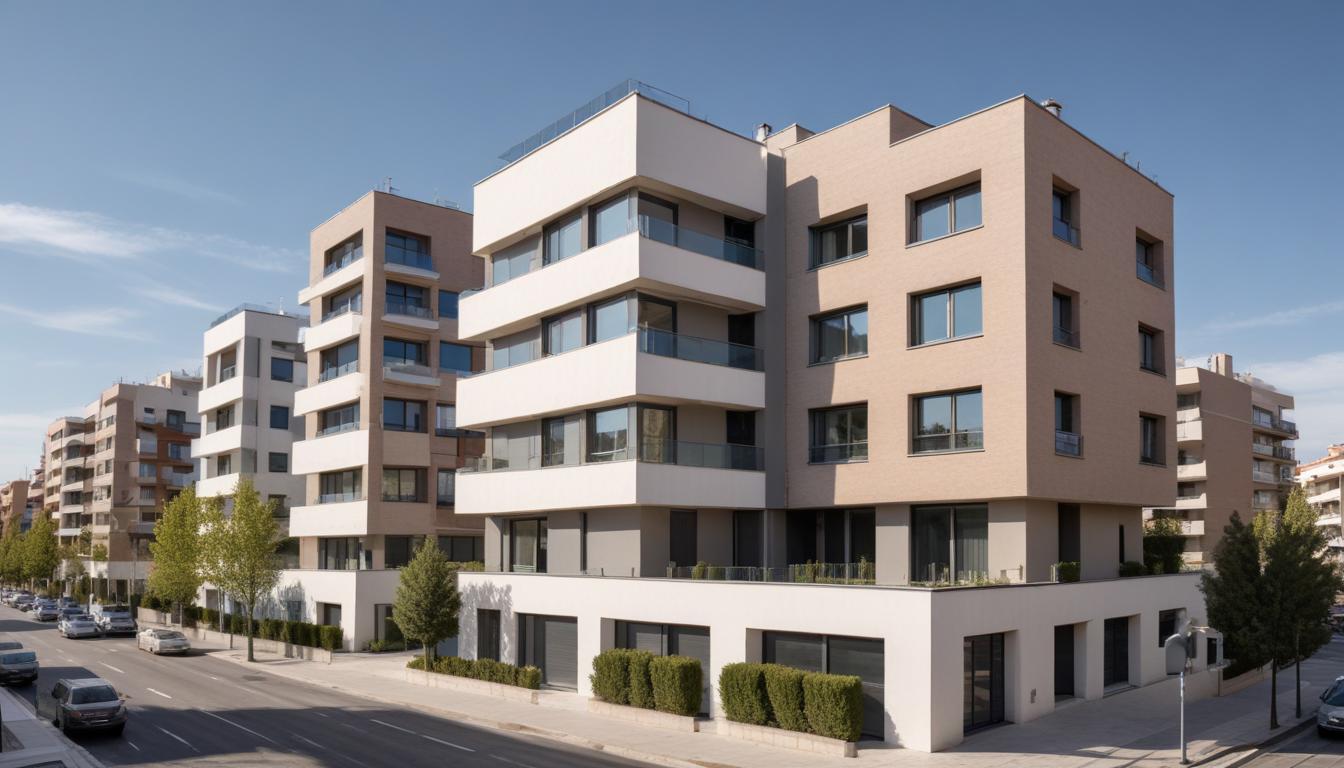
The real test lies in Vallecas and Puente de Vallecas, where the planning framework actively encourages new-build apartments. Early data suggests this is moving the needle: new developments near Metro Línea 3 stations are pricing €300-400 per square metre below central district equivalents. For first-time buyers priced out of Malasaña's €5,200+ asking prices, this represents genuine market opening.
However, construction timelines matter enormously. Planning approval acceleration doesn't guarantee swift building delivery. Projects approved under the new framework won't reach market completion until late 2027 or 2028, meaning near-term affordability gains remain speculative. Current inventory pressure continues favouring sellers in established neighbourhoods.
The broader story is nuanced. Rather than a single unified market responding to policy, Madrid increasingly operates as separate regional markets. Central-north (Salamanca, Chamberí, Retiro) responds to international capital and wealth preservation. Central-south (Malasaña, Lavapiés) balances heritage constraints with investor demand. Southern expansion zones (Vallecas, Leganés fringe) respond directly to planning changes and infrastructure investment.
Whether this fragmentation serves affordability or deepens it depends on execution. If Vallecas delivery matches ambition, genuine alternatives emerge. If projects stall, reform becomes merely symbolic—and central scarcity deepens further.
This article was compiled by AI from the sources linked above and screened before publishing. See our editorial standards.