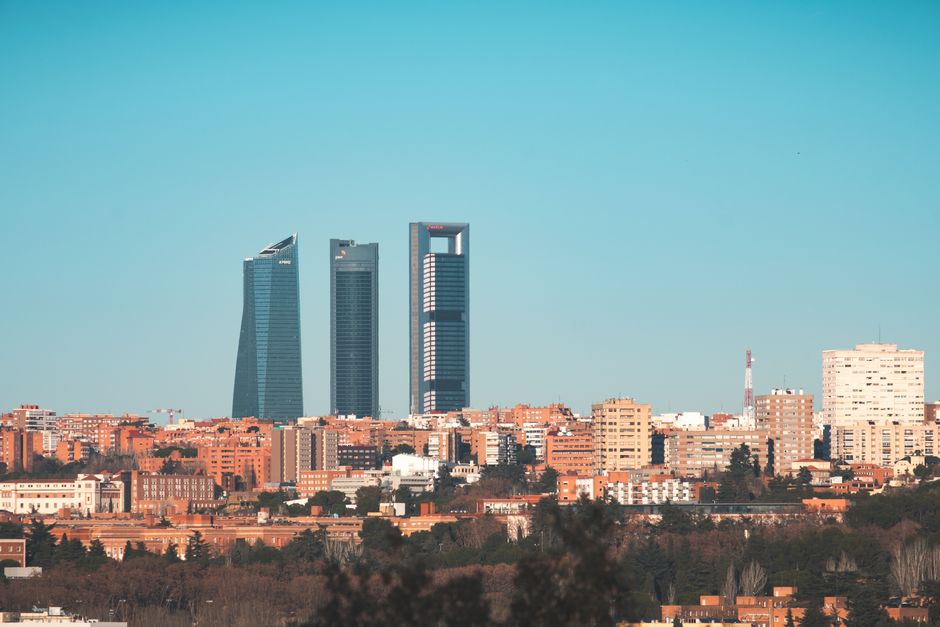
Madrid's Construction Boom Creates Perfect Storm for Renters and Landlords Alike
New residential approvals are reshaping the capital's rental landscape, but winners and losers are emerging along starkly different neighbourhood lines.
New residential approvals are reshaping the capital's rental landscape, but winners and losers are emerging along starkly different neighbourhood lines.
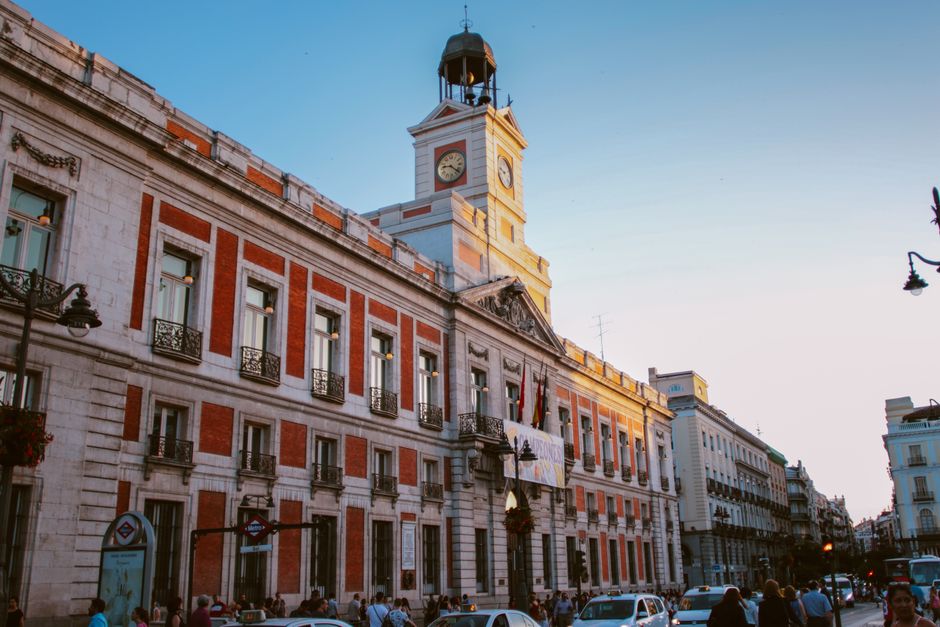
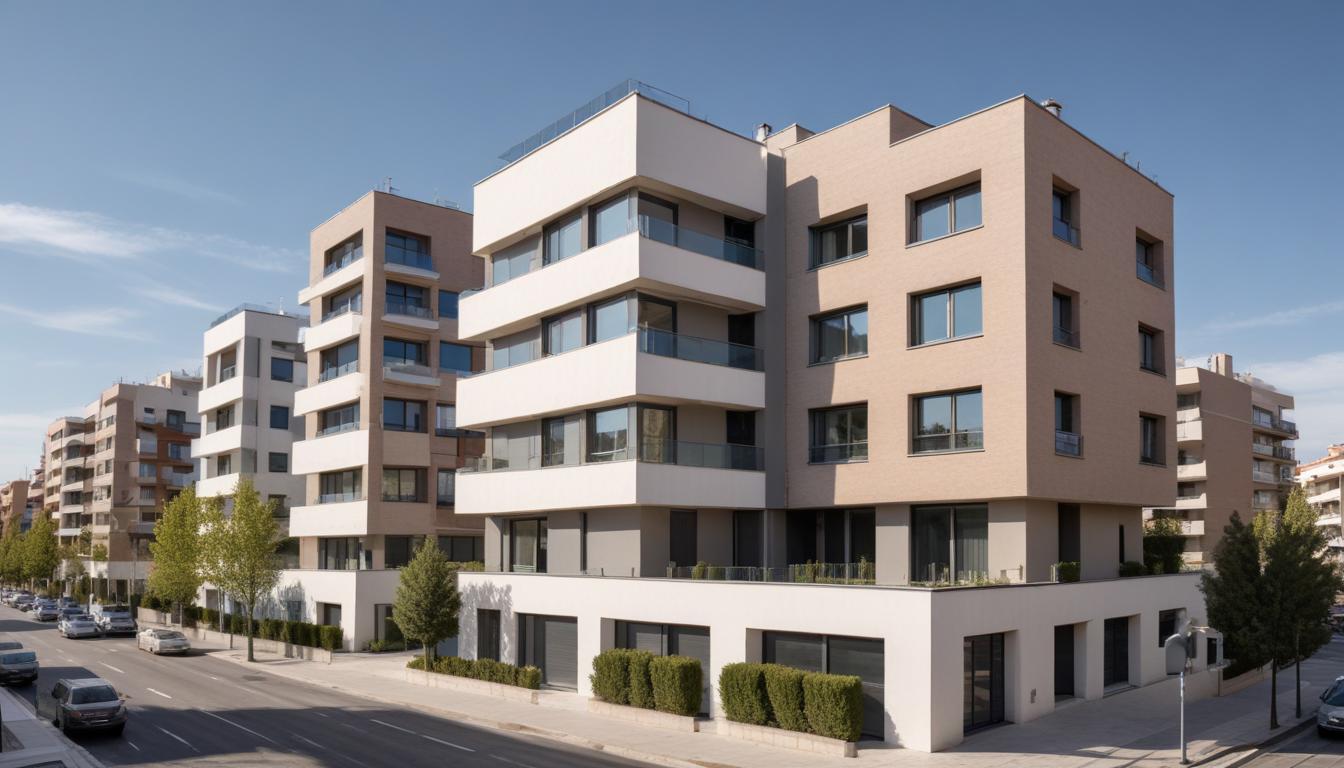
Madrid's construction pipeline has swelled to unprecedented levels, with the municipal planning office approving over 8,000 new residential units across the city in 2025 alone. Yet this apparent abundance masks a deeply fragmented rental market where location—and timing—determine whether tenants face relief or landlords secure windfall returns.
The most dramatic pressure is building in traditionally affordable zones. Vallecas, which has attracted substantial investment following metro improvements and cultural regeneration around Parque de la Culebra, has seen rents climb 12% year-on-year as new developments near completion. A two-bedroom in recently built complexes near Avenida de la Albufera now commands €950–1,100 monthly, compared to €800–900 just three years ago. Landlords here are optimistic; tenant advocates worry about displacement.
The story differs sharply in premium districts. Salamanca and Chamberí, where per-square-metre prices hover near €6,000, have absorbed new supply with barely a ripple in rental rates. Luxury two-beds in new buildings around Calle Claudio Coello or Paseo de la Castellana remain anchored above €2,200—prices that reflect scarcity value rather than construction-driven competition. Established landlords report stable yields; newer investors face margin pressure.
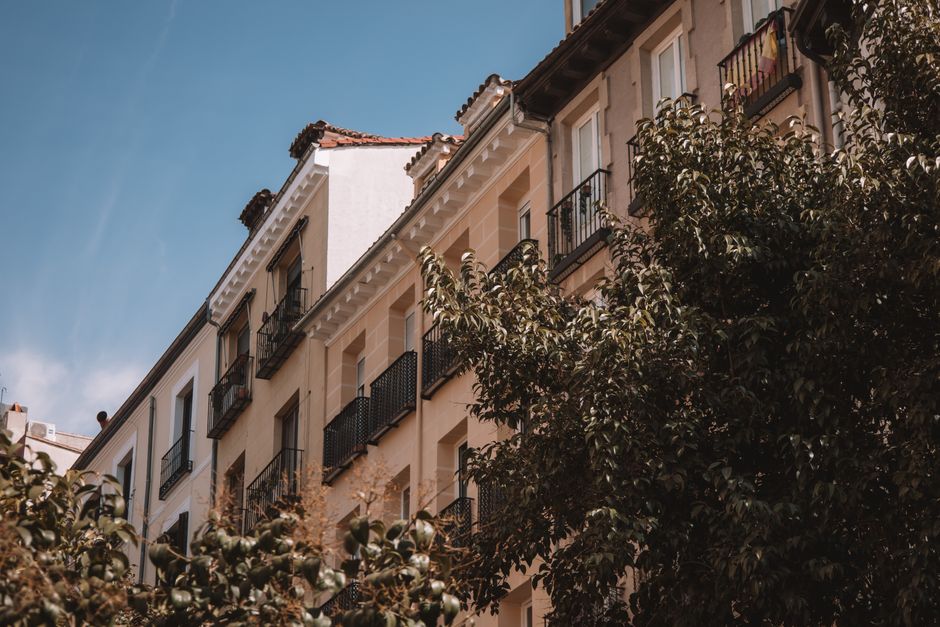
Central neighbourhoods present perhaps the most complex picture. Malasaña and Chueca have seen boutique residential projects replace former warehouses and commercial spaces, introducing modern units that command 18% premiums over comparable older stock. Yet these premium new rentals coexist with rent-controlled pre-1960 properties, creating a two-tiered market that has begun reshaping neighbourhood demographics.
The rental slowdown in Madrid's broader market—registrations fell 8% in Q1 2026 compared to the same period last year—has created breathing room in some sectors. Landlords with new completions are increasingly offering furnished packages, flexible terms, and concessions to attract tenants faster. Professional property management organisations report heightened competition for quality tenants, particularly among larger portfolios in secondary districts.
What remains unresolved is affordability. While new construction promises eventually to ease absolute shortages, current approvals skew heavily toward the €1,200–1,800 rental band—neither genuinely affordable for median Madrid renters earning €28,000 annually, nor premium enough to attract international corporate housing demand. Municipalities and housing advocates continue pressing for inclusionary requirements in planning permissions, though political will remains contested.
The paradox is clear: Madrid is building more homes, yet renters in Vallecas and Puente de Vallecas feel pressure mounting, while Salamanca landlords watch for meaningful disruption that may never arrive.
This article was compiled by AI from the sources linked above and screened before publishing. See our editorial standards.
How does this story make you feel?
Spread the word
About this article
Published by The Daily Madrid
Daily brief
Free, in your inbox before 7am. Weekdays.
More in Property