Madrid's property market has long been a fortress for established owners, with average prices hovering around €4,500 per square metre across the city. For first-time buyers, this reality has felt increasingly distant—until now. A wave of new-build residential projects, particularly in emerging neighbourhoods, is beginning to shift the landscape in meaningful ways.
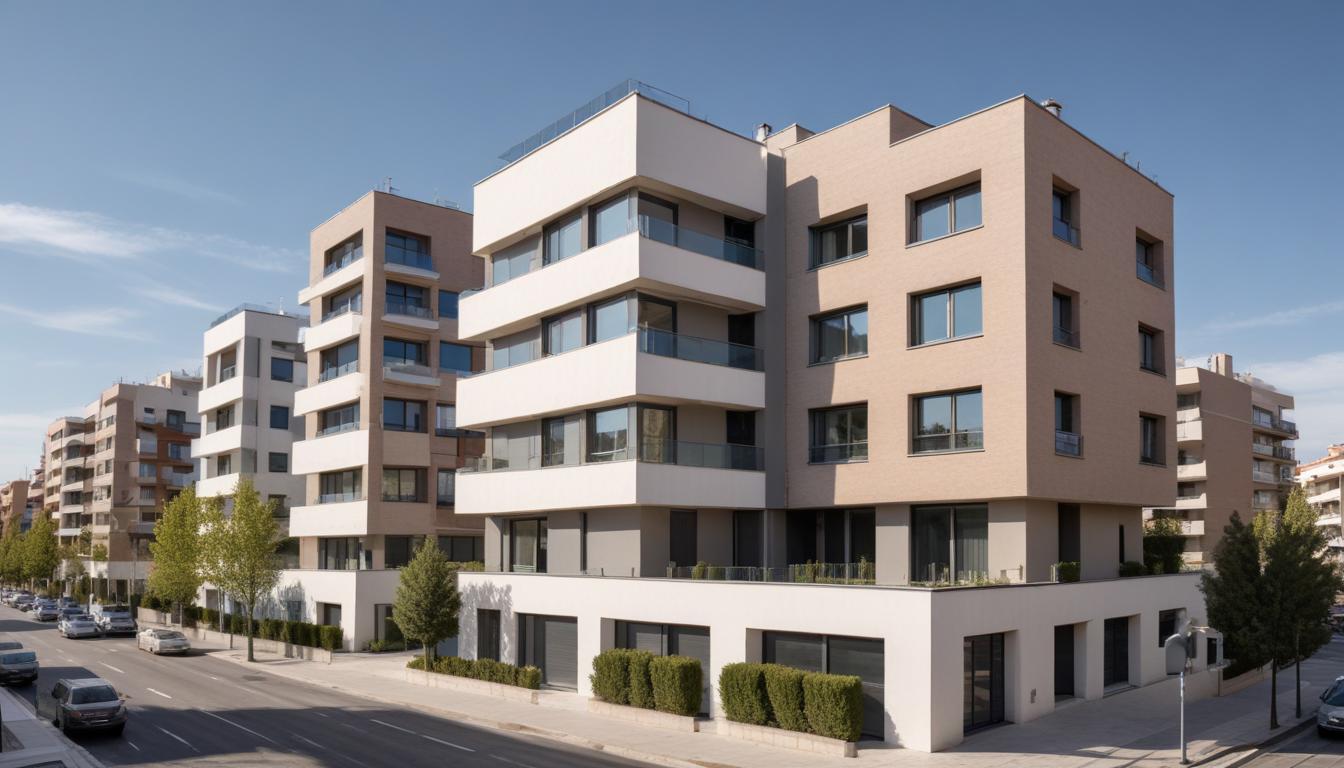
Vallecas, long positioned as Madrid's growth corridor, exemplifies this transformation. Several mid-rise residential developments along Avenida de la Albufera and near the Parque de Pradolongo have come to market with prices ranging from €3,800 to €4,200 per square metre—notably below the city average. These aren't luxury conversions; they're purpose-built housing blocks designed with first-time buyers and young families in mind. The Spanish government's recent expansion of the First Home Buyer Guarantee Programme has made such projects more accessible, with eligible purchasers receiving favourable mortgage terms and reduced stamp duty on properties under €300,000.
What matters more than the price tag, however, is what these developments signal about their neighbourhoods. New construction typically triggers infrastructure investment. The Vallecas projects, for instance, coincide with Metro expansion discussions and improved cycling infrastructure along Paseo de la Dirección. Schools, retail spaces, and community facilities often follow residential density increases, gradually transforming peripheral areas into functioning, desirable districts.
The contrast with established premium zones like Salamanca and Chamberí is stark. While those neighbourhoods command €6,000+ per square metre, their development potential is limited by saturation and heritage restrictions. Meanwhile, Malasaña and Chueca, despite their trendiness, face similar constraints—and higher entry prices for new stock. Emerging zones offer what these established areas cannot: room to grow, affordable entry points, and the upside potential that comes with neighbourhood maturation.
First-time buyers should approach new developments strategically. Questions matter: What is the developer's track record? What amenities are planned within five years? How will transport links evolve? The Instituto de Vivienda de Madrid and local borough offices (distritos) publish development blueprints that reveal long-term planning intentions.
The current moment is significant. Madrid's new-build sector is supplying the entry-level stock that the market has lacked for years. For buyers willing to invest in emerging neighbourhoods rather than established prestige areas, these projects represent genuine opportunity—not just affordable housing, but genuine wealth-building potential as areas develop around them. That calculus is reshaping who can afford to buy in Madrid, and where.
This article was compiled by AI from the sources linked above and screened before publishing. See our editorial standards.