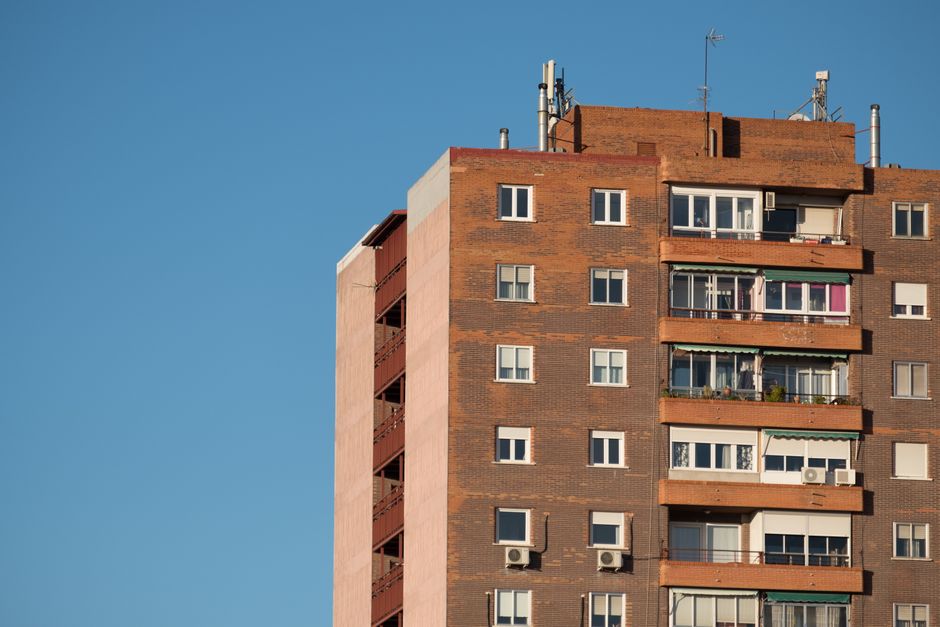
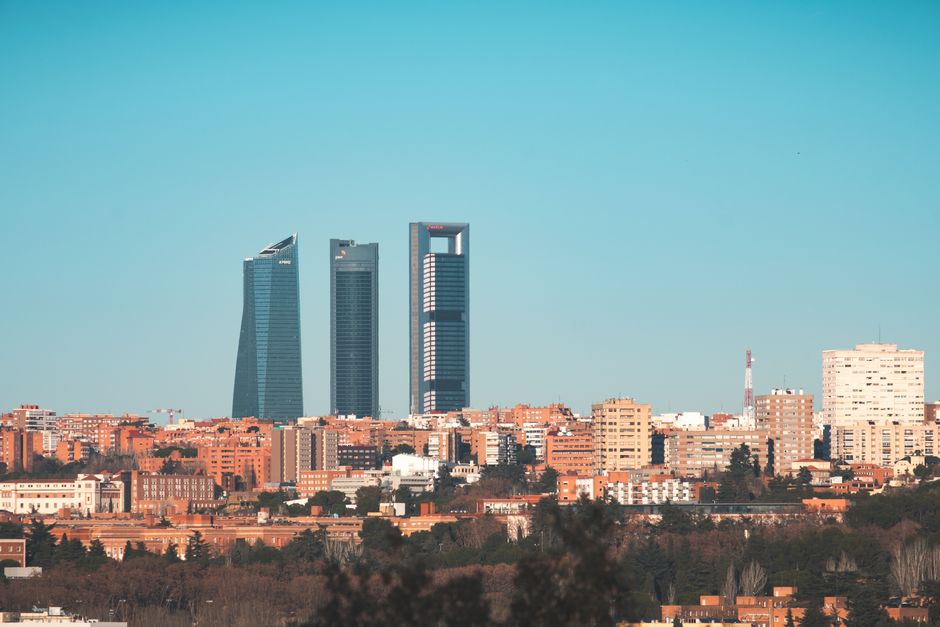
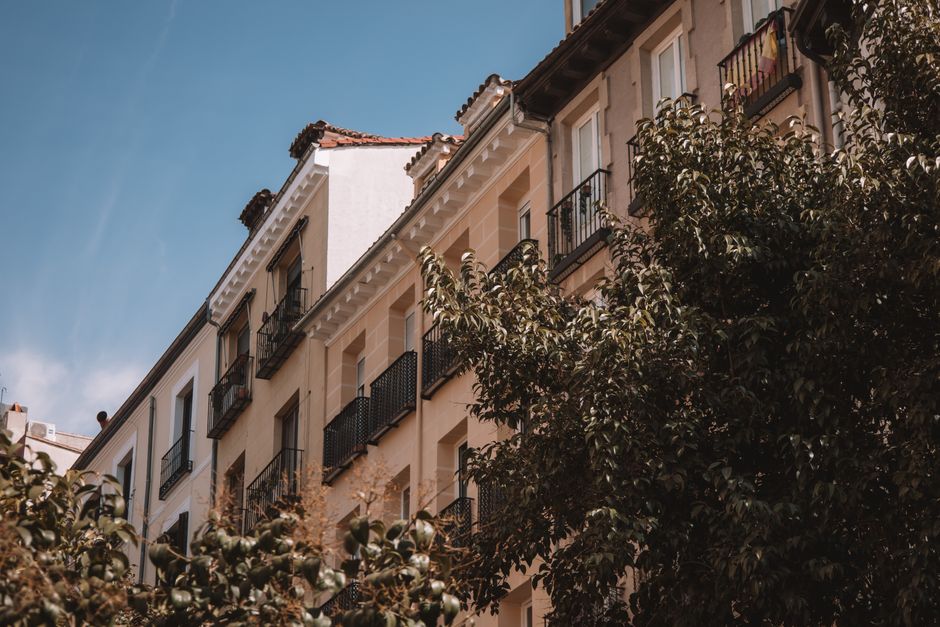
Madrid's property market is experiencing a construction renaissance that is fundamentally reshaping price dynamics across the city. With the Madrid City Council fast-tracking approvals for mixed-use developments and residential projects, buyers entering the market today face a landscape markedly different from even two years ago.
The statistics tell a clear story. Madrid's average price of €4,500 per square metre masks significant variation driven by where new supply is landing. In traditionally premium zones like Salamanca and Chamberí, limited new construction is maintaining exclusivity—and prices. But the real movement is happening elsewhere.
Vallecas, once a secondary consideration, is experiencing rapid transformation. New residential towers near Avenida de la Albufera are attracting first-time buyers and investors seeking better value, with prices climbing 8-12% annually as project approvals materialise. Similarly, the Malasaña-Chueca corridor continues its gentrification with boutique developments replacing old industrial spaces. These aren't luxury projects; they're mid-range apartments targeting professionals aged 28-40, which is driving volume and competition.
What's driving price acceleration is the approval timeline itself. The Madrid municipal government has streamlined permits for developments meeting sustainability criteria—a significant incentive that has unlocked projects stalled for years. Developers are banking on completion within 24-30 months, meaning units hitting the market from late 2027 onwards will absorb current pent-up demand. Early birds purchasing off-plan now are locking in pre-acceleration prices.
But there's a critical caveat for buyers. Construction delays, while less common under new management, still occur. Recent projects near Plaza de Castilla and along the Manzanares regeneration corridor have experienced 3-6 month slippages. Additionally, buyer protections vary significantly depending on developer track record and financing structure. The Asociación de Constructores y Promotores de Madrid (ASPRIMA) maintains a registry, but independent legal review remains essential.
Interest rate environment matters too. With current financing hovering around 3.5-4.2% for mortgages, affordability is pressured despite new supply. A typical two-bedroom in Vallecas now commands €320,000-380,000, compared to €220,000 three years ago. Buyers banking on price stabilisation may face disappointment; supply announcements often precede actual market saturation by 18-24 months.
The smartest play for 2026? Target neighbourhoods with approved projects in early phases—Usera, Latina's southern edges, and Arganzuela are emerging hotspots. Secure financing now while rates remain relatively stable. And scrutinise developer credentials rigorously: approved doesn't mean executed, and price locks don't account for construction risk premiums buyers increasingly demand.
This article was compiled by AI from the sources linked above and screened before publishing. See our editorial standards.