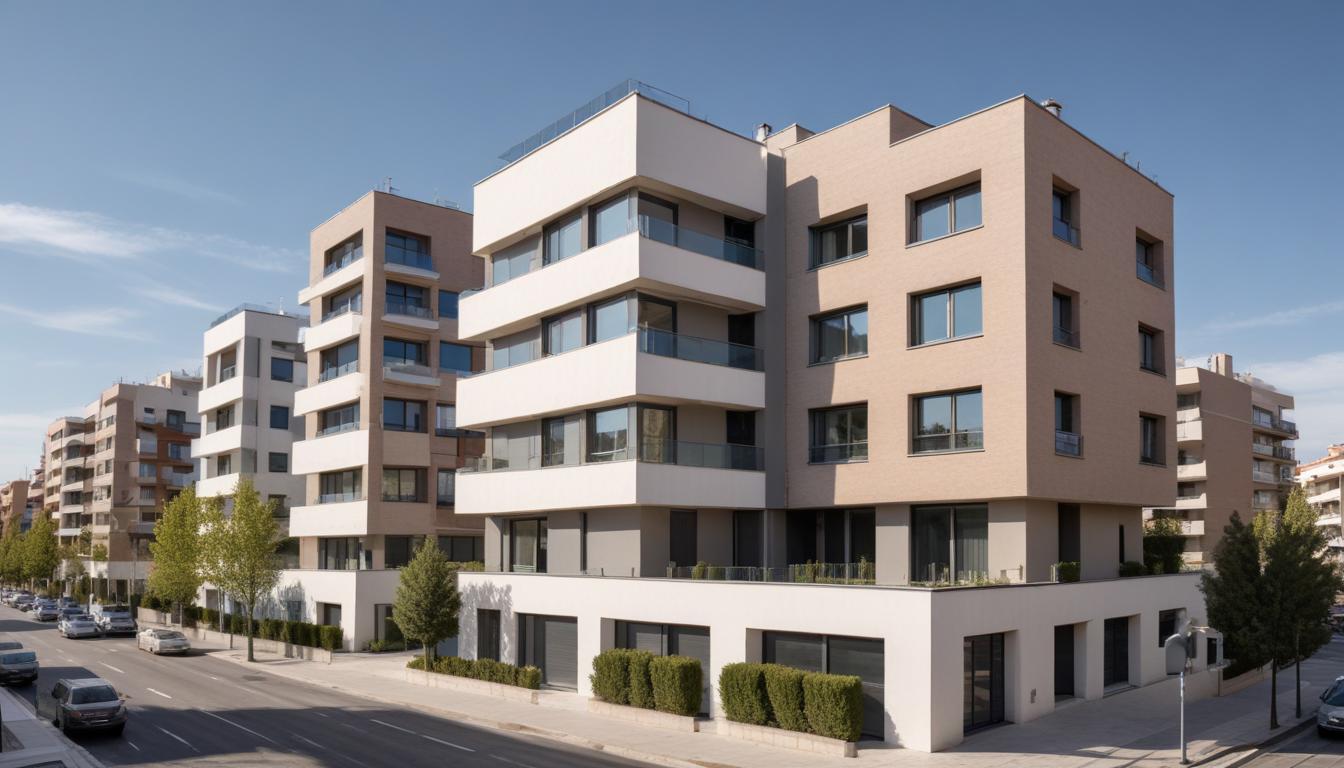
Madrid's property investment landscape is experiencing a structural shift driven by major infrastructure and residential developments that are fundamentally altering yield trajectories across different zones. For landlords navigating an increasingly competitive market—where citywide averages hover around €4,500 per square metre—understanding how new projects reshape neighbourhood economics has become essential to portfolio strategy.
The most significant catalyst remains Madrid's Metro expansion programmes. The planned extensions into peripheral areas, particularly around Vallecas and the south-eastern corridor, are already triggering investor interest in what were previously overlooked zones. Vallecas, traditionally Madrid's growth frontier, now hosts multiple new-build residential complexes offering rental yields that significantly outpace established neighbourhoods. While Salamanca and Chambéri command premium positioning—and the corresponding rental rates—newer developments in Vallecas deliver 4.5 to 5.2 per cent gross yields, compared to 2.8 to 3.5 per cent in the capital's prestige districts.
The mixed-use regeneration along the Paseo de la Castellana corridor illustrates a broader pattern. As office-to-residential conversions accelerate and amenity-focused developments emerge, rental demand follows infrastructure investment. Smart investors are acquiring units in newly completed buildings within walking distance of these projects, capturing both the supply shortage premium and the demographic migration toward modernised neighbourhoods.
However, timing matters considerably. Recent developments in Malasaña and Chueca—once purely residential bohemian quarters—have undergone rapid commercialisation, attracting both owner-occupiers and international short-term rental operators. For traditional long-term landlords, this creates a dual challenge: higher acquisition costs competing with lifestyle buyers, but improved tenant quality and rental resilience. The neighbourhood's proximity to cultural venues and transport hubs means new-build units command premium rents, though competition from holiday platforms has compressed year-round yields.
The emerging lesson for Madrid's landlord community is that proximity to announced developments matters as much as current rental performance. Properties acquired in consolidation phases—before major projects break ground—historically deliver superior returns once infrastructure materialises and neighbourhood prestige shifts.
Landlords should monitor municipal planning announcements from Madrid's district councils, particularly regarding transport connectivity and mixed-use zoning. The next 18 months will see accelerated project delivery across Vallecas, the northern extension zones, and the Manzanares riverfront corridor. Positioning now, before market sentiment fully catches up, remains the smart play in a city where new development ultimately drives both occupancy and capital appreciation.
This article was compiled by AI from the sources linked above and screened before publishing. See our editorial standards.