Madrid's luxury boom: How flagship developments are reshaping the capital's prestige postcodes
New high-end projects in Salamanca and Chamberi are driving prices beyond the city average—and transforming what it means to buy at the top of the market.
New high-end projects in Salamanca and Chamberi are driving prices beyond the city average—and transforming what it means to buy at the top of the market.
Madrid's luxury property sector is experiencing a pronounced transformation. While the city's average price per square metre hovers around €4,500, flagship developments emerging across Salamanca and Chamberi are commanding premiums of 40 to 60 per cent above that baseline—a trend that raises questions about where the market's ceiling really sits.
The catalyst is clear: a wave of carefully curated residential projects targeting high-net-worth individuals, many of them international buyers seeking prestige addresses with contemporary amenities. Along Paseo de la Castellana and within the Barrio de Salamanca, several mixed-use developments are nearing completion, each incorporating private wellness facilities, concierge services, and architectural distinction that justify their elevated positioning.
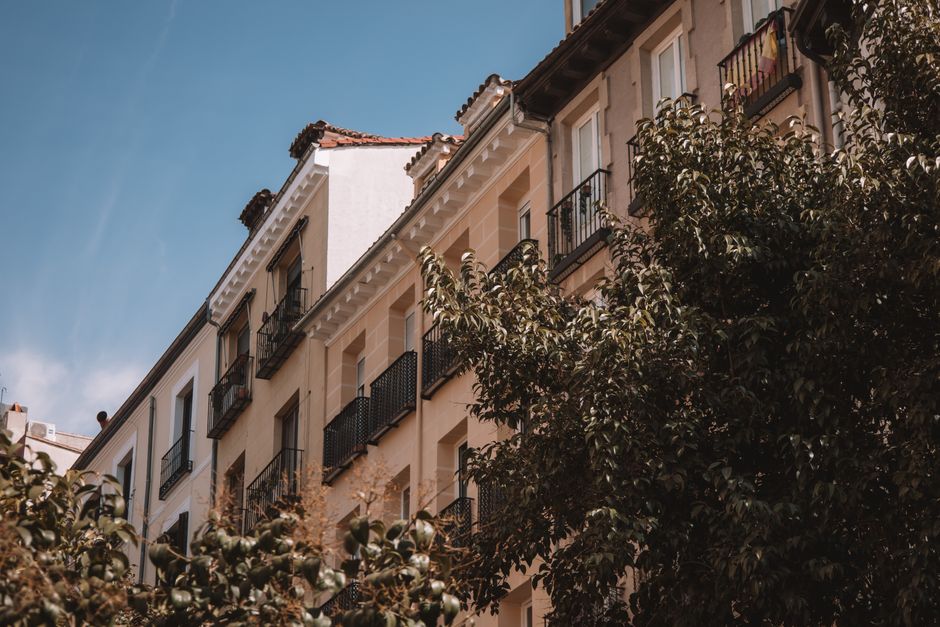
What makes these projects significant is not merely their price point, but their ripple effects on neighbourhood character and investment patterns. In Chamberi, traditionally known for its Belle Époque mansions and established wealth, new construction is increasingly targeting the conversion and renovation of historic properties rather than wholesale replacement. This approach preserves the area's cultural fabric while modernising infrastructure—a formula that appeals to buyers valuing both heritage and contemporary living standards.
The data underscores the shift. Properties in Salamanca's premium zones are now regularly achieving €7,000 to €8,500 per square metre for new builds, whilst comparable offerings in Malasana or Chueca—neighbourhoods experiencing their own growth trajectory—remain anchored between €5,000 and €6,000. This divergence reflects not just architectural quality, but buyer perception of neighbourhood trajectory and social positioning.
Yet development patterns tell a more nuanced story. Unlike the speculative models seen in other European capitals, Madrid's luxury sector is being shaped by quality-conscious developers prioritising long-term institutional investment over quick returns. This has resulted in smaller, more selective projects—typically 20 to 40 units per development—rather than the sprawling mixed-use complexes reshaping secondary markets.
The implications for Vallecas and other emerging zones are worth noting. As flagship developments concentrate wealth and attention in established prestige areas, growth neighbourhoods offer value-conscious international buyers an alternative entry point into Madrid's property market. Some savvy investors are recognising this asymmetry, positioning themselves in areas where infrastructure investment and demographic shifts may eventually challenge Salamanca's traditional dominance.
For now, though, Madrid's luxury market remains defined by these prestige postcodes and their carefully calibrated developments—a market within the market that increasingly operates by its own dynamics.
This article was compiled by AI from the sources linked above and screened before publishing. See our editorial standards.
How does this story make you feel?
Spread the word
About this article
Published by The Daily Madrid
Daily brief
Free, in your inbox before 7am. Weekdays.
More in Property