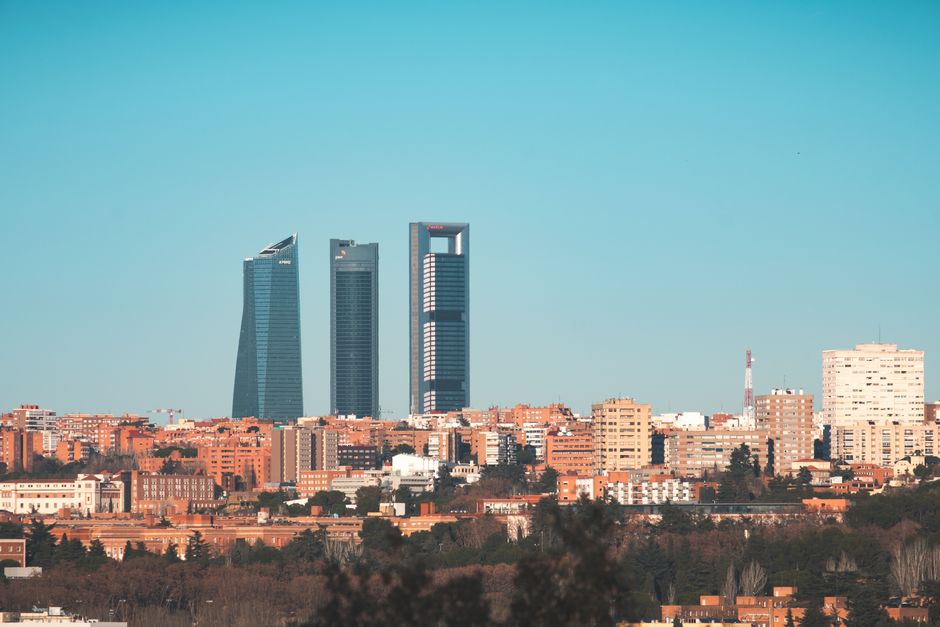
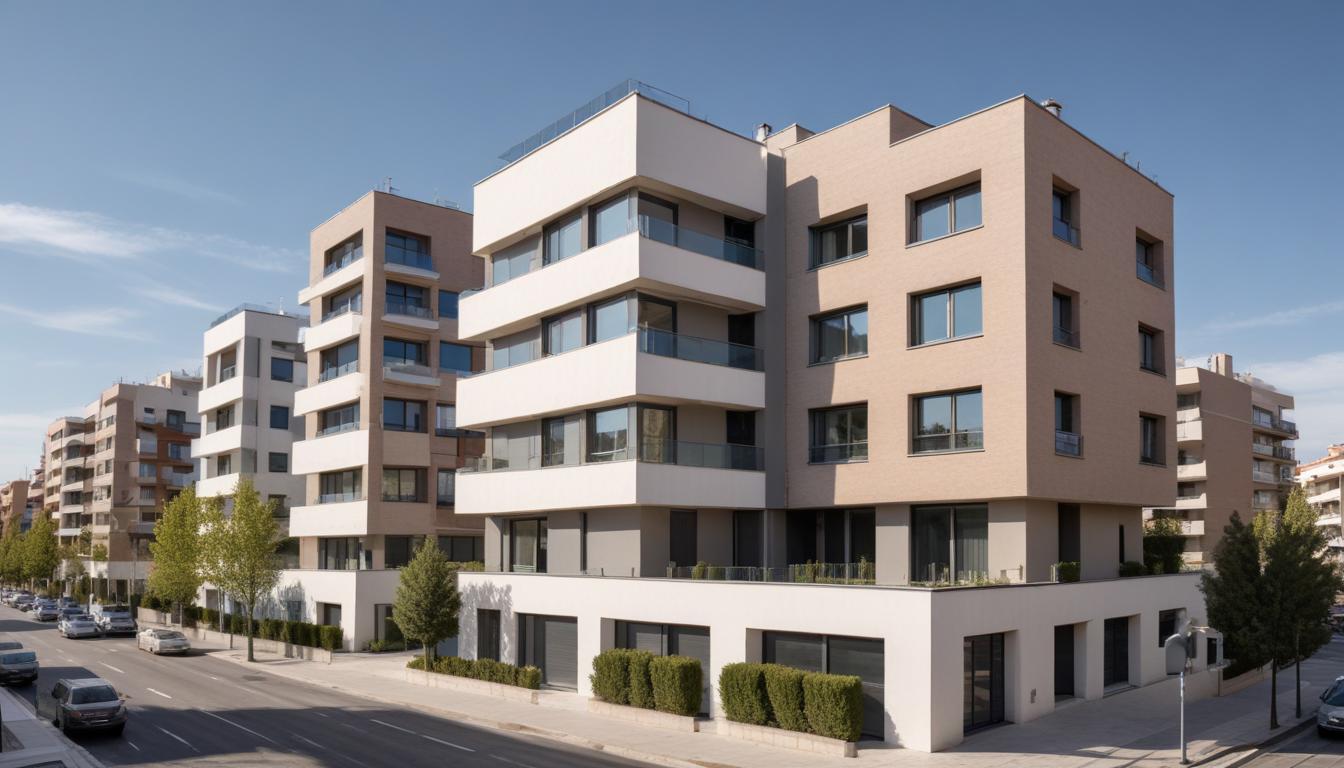
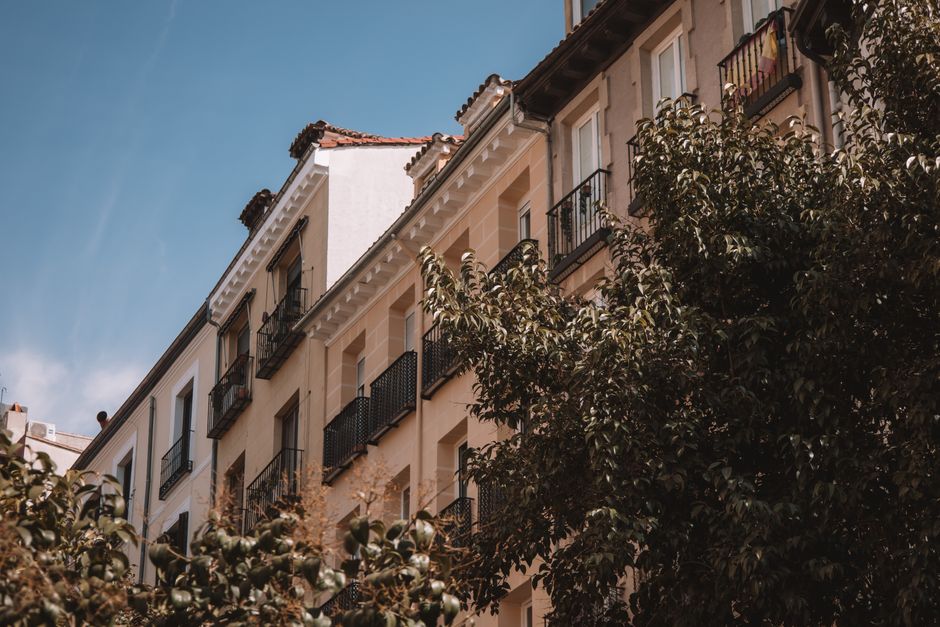
Madrid's property market is in transformation mode. The city's construction pipeline has expanded dramatically over the past eighteen months, with the Ayuntamiento fast-tracking approvals for new developments across multiple neighbourhoods. For first-time buyers, this presents both opportunity and complexity—and understanding the landscape is essential before committing capital.
The scale is significant. Recent municipal data shows residential building permits up 34% year-on-year, with particular momentum in Vallecas, where developers are marketing units at €3,800–€4,200 per square metre—below the city average of €4,500/sqm. Simultaneously, premium zones like Salamanca and Chamberí continue attracting investment, though off-plan pricing there typically runs €5,200–€6,100/sqm. The Malasaña and Chueca districts, popular with younger buyers, sit mid-range at €4,600–€4,900/sqm, with several notable projects nearing completion near Plaza del Dos de Mayo.
First-timers should grasp the approval timeline. From municipal green-light to first occupancy typically spans 24–36 months in Madrid. Developers must obtain licenses from the district town halls, satisfy environmental assessments, and secure bygglovsnämnden-equivalent clearance. Before signing an off-plan contract, verify that the project holds a valid *licencia de obras*—available through the relevant district's oficina de urbanismo. Many buyers overlook this; it's fundamental.
Price structures vary. Some developers offer 15–20% discounts for early commitments, with staged payment schedules tied to construction milestones. Others bundle parking or storage to inflate perceived value. Compare unit prices per square metre across comparable projects in your target neighbourhood; Madrid's transparency requirements mean full project specifications should be publicly accessible.
Location strategy matters intensely. Vallecas developments offer value and proximity to metro extensions, but inspect masterplans carefully—are schools, green space, and services genuinely coming, or are they aspirational? Established neighbourhoods like Chamberí guarantee infrastructure and resale ease, but you'll pay premium prices. Malasaña and Chueca offer cultural vibrancy and mid-market pricing, though density is increasing rapidly.
Key regulatory insight: Madrid requires developers to comply with *Código Técnico de la Edificación* standards and energy performance certifications. Newer builds are typically more efficient, translating to lower utility costs—factor this into long-term affordability calculations.
Finally, work with a lawyer specializing in off-plan purchases. They'll validate the developer's solvency, review escrow arrangements for your deposit, and confirm building insurance provisions. The €50,000–€150,000 you're likely committing deserves professional protection.
Madrid's development surge is genuine. But first-time success requires patience, verification, and strategic neighbourhood selection.
This article was compiled by AI from the sources linked above and screened before publishing. See our editorial standards.