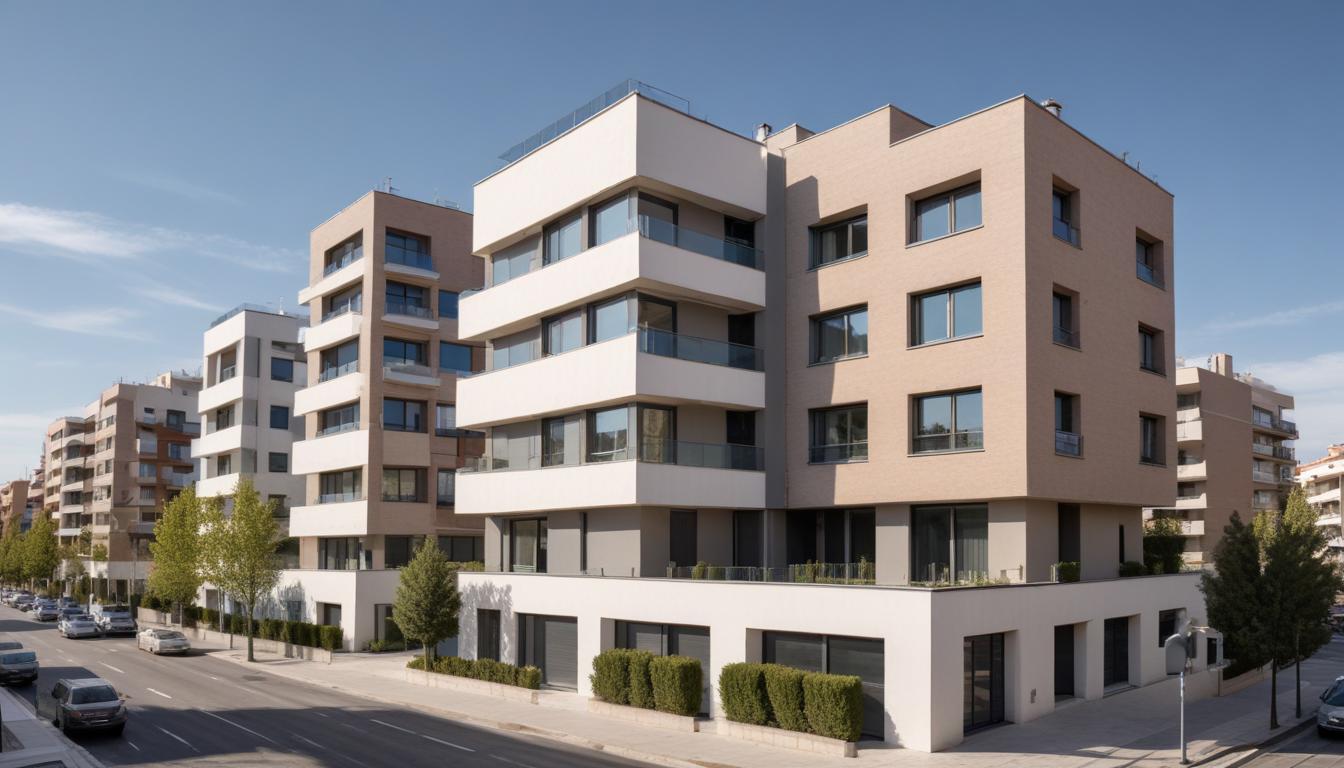
Madrid's first-time buyer grants have pumped fresh capital into the market, but a closer look at actual investor yields reveals why many young Madrileños remain sceptical about the long-term value proposition of subsidised purchases.
The numbers are instructive. A EUR 350,000 studio in Vallecas—well within the regional first-time buyer grant ceiling—generates roughly EUR 12,000 annually in rental income. That's a 3.4% gross yield before expenses, maintenance, and tax. In premium Salamanca or Chamberí, where properties average EUR 9,000 per square metre, yields compress to barely 2.5%. Compare that to Madrid's cost of capital, currently hovering around 4%, and the arithmetic becomes uncomfortable for anyone expecting wealth accumulation through property appreciation alone.
The regional grants—covering up to EUR 40,000 for buyers under 35 purchasing below EUR 400,000—genuinely help. They reduce initial mortgage size and lower monthly burden. But they don't solve the fundamental yield problem that's reshaping Madrid's buyer demography.
Where grants have gained traction is in emerging neighbourhoods like Puente de Vallecas and parts of Usera, where EUR 300,000 buys a serviceable two-bedroom and gross yields touch 4.2–4.5%. These areas lack the cachet of San Blas or Carabanchel's revival zones, but the economics work harder for owner-occupiers stretched by deposit requirements and mortgage qualification thresholds.
The real insight from grant data isn't about affordability—it's about expectations. Madrid's property market has spent two decades trained on capital appreciation. Buyers bought, held, and sold upward. Grants acknowledge this model is broken for first-timers: they're now framed as tools for shelter, not wealth engines.
Financial advisors tracking young buyer portfolios note a subtle shift. Those accepting 3.5% yields in Vallecas increasingly view property as ballast rather than growth asset, offsetting equity portfolio volatility rather than driving returns. That's not irrational, given Spain's deposit tax environment and EU interest rate regime. It's pragmatic.
The next cycle will reveal whether Madrid's grant framework creates genuine homeownership or simply warehouses demand in lower-yield neighbourhoods. For now, the data shows grants work best for buyers accepting modest returns and stable communities over speculative upside. In a city where EUR 4,500 per square metre is the baseline, that's a markedly different conversation than the one happening in agency windows along Paseo de la Castellana.
This article was compiled by AI from the sources linked above and screened before publishing. See our editorial standards.