Madrid's Rental Yields Show Real Returns—But Geography Is Everything
As capital values climb past €4,500 per square metre, investor returns vary wildly across neighbourhoods, revealing which districts still offer genuine income potential.
As capital values climb past €4,500 per square metre, investor returns vary wildly across neighbourhoods, revealing which districts still offer genuine income potential.
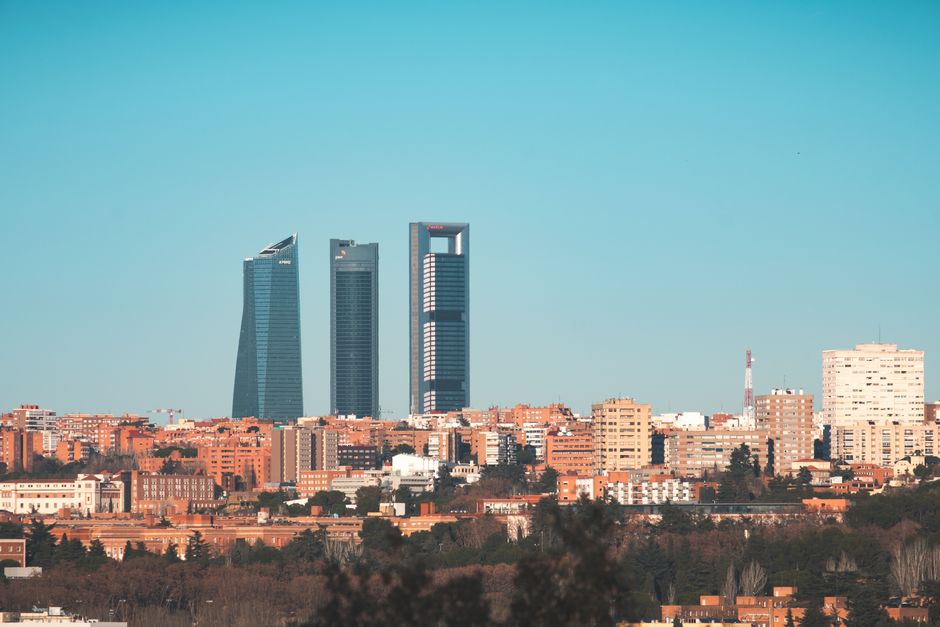
Madrid's property market has reached a familiar crossroads. While average prices hover around €4,500 per square metre citywide, investors scanning the market for viable rental yields are discovering a tale of two cities: premium zones where returns have compressed to near-irrelevance, and emerging neighbourhoods where cash flow still matters.
The numbers tell a stark story. In Salamanca and Chamberí—where penthouses regularly exceed €15,000 per square metre—rental yields have collapsed to 2.5–3 per cent annually. A €1.2 million apartment on Calle Serrano might generate €2,500–3,000 monthly in rent, a return that barely covers municipal taxes, community fees, and maintenance. For capital-focused investors betting on appreciation alone, this remains defensible. For those seeking income, it's increasingly untenable.
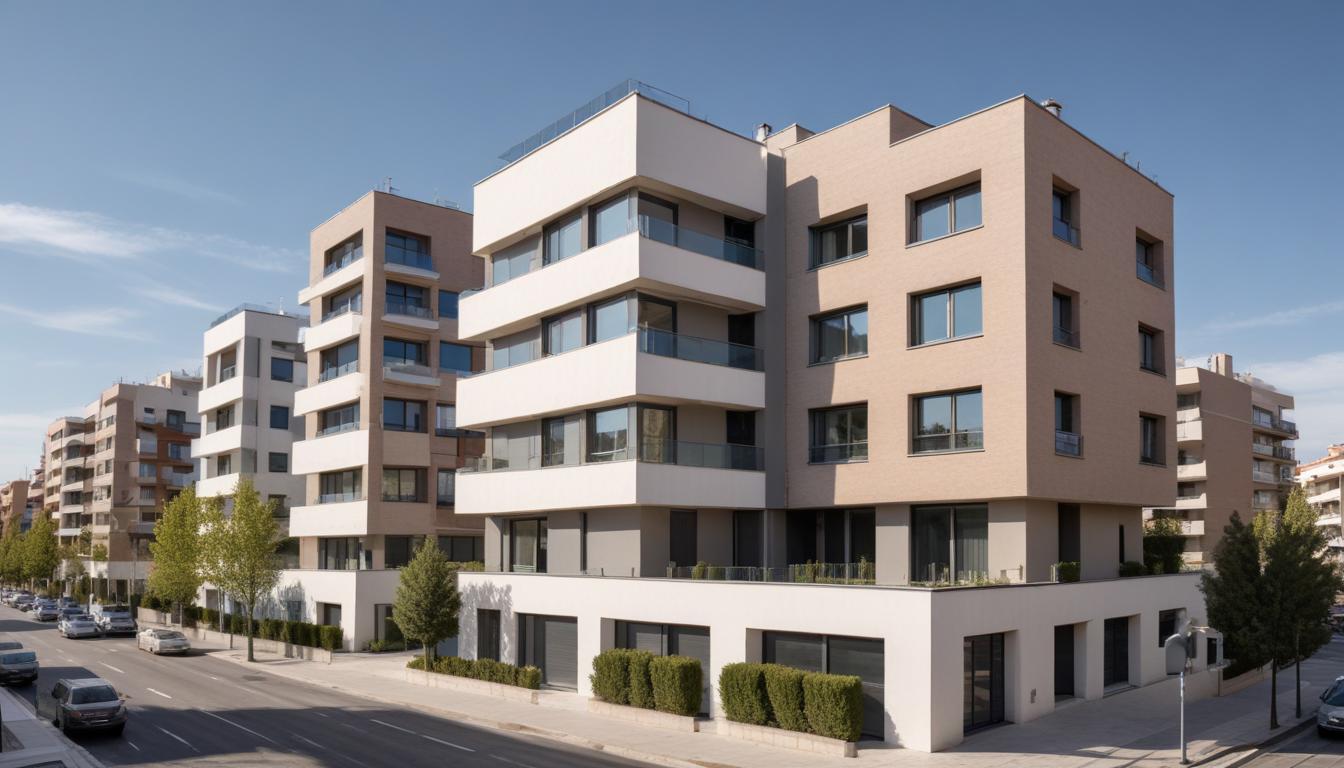
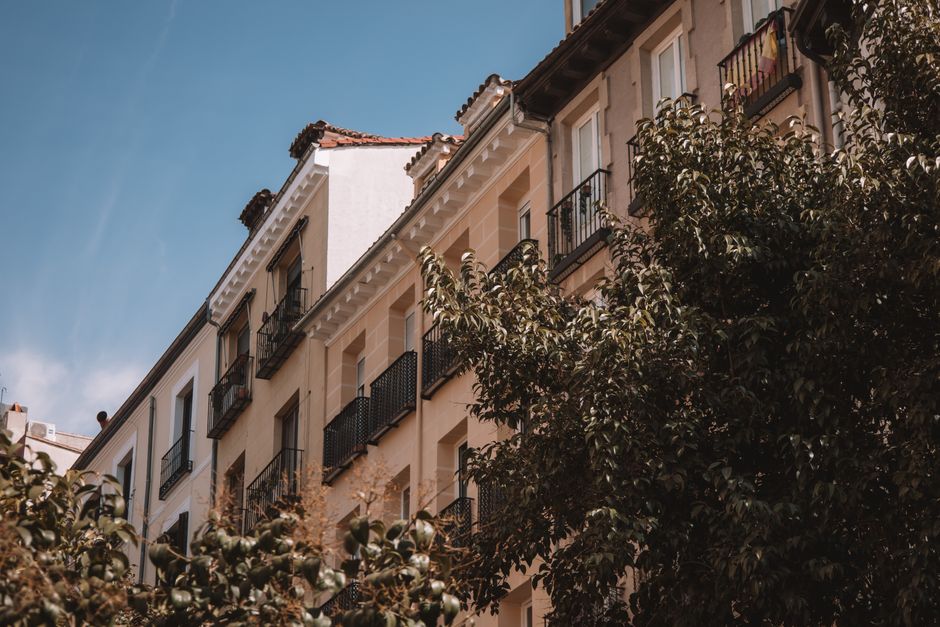
The picture shifts dramatically in Malasaña and Chueca, where gentrification has stabilised prices around €5,500–6,500 per square metre. Here, yields climb to 4–5 per cent. A €450,000 studio near Plaza del 2 de Mayo might command €1,800–2,000 monthly, generating genuine monthly surplus after expenses. These neighbourhoods have attracted institutional capital and seasoned buy-to-let operators precisely because the rent-to-price ratio remains rational.
But the real story is Vallecas. Once dismissed as peripheral, the district's rapid infrastructure improvements—metro expansion, cultural venues like Teatro Circo Price relocation plans, and younger demographic migration—have begun attracting yield-conscious investors. Properties around €3,500 per square metre can still generate 5.5–6.5 per cent returns, though renovation costs and tenant concentration risks require careful analysis.
The broader context matters. Madrid's tourist economy continues fuelling short-term rental demand, particularly in Sol and Gran Vía, where seasonal yields spike but regulatory uncertainty lingers. Long-term rental demand remains robust: domestic migration to the capital continues, and international relocations—particularly from tech and finance sectors—support Salamanca and northern districts despite higher entry prices.
What the numbers reveal is less a market breakdown than a recalibration. The days of stacking 6–7 per cent yields across central Madrid are largely finished. Instead, today's investors face a familiar formula: pay premium prices in established neighbourhoods for capital growth and tenant stability, or chase higher percentage returns in transitional areas where risk and execution matter more.
For Madrid's next wave of property investors, the question isn't whether yields exist—they do. It's whether they're seeking returns, appreciation, or that increasingly elusive combination of both.
This article was compiled by AI from the sources linked above and screened before publishing. See our editorial standards.
How does this story make you feel?
Spread the word
About this article
Published by The Daily Madrid
Daily brief
Free, in your inbox before 7am. Weekdays.
More in Property