Madrid's rental market inflection: What's really driving prices and why savvy investors are recalibrating
As yields compress and competition intensifies, investment property buyers need to understand the structural forces reshaping Madrid's returns.
As yields compress and competition intensifies, investment property buyers need to understand the structural forces reshaping Madrid's returns.
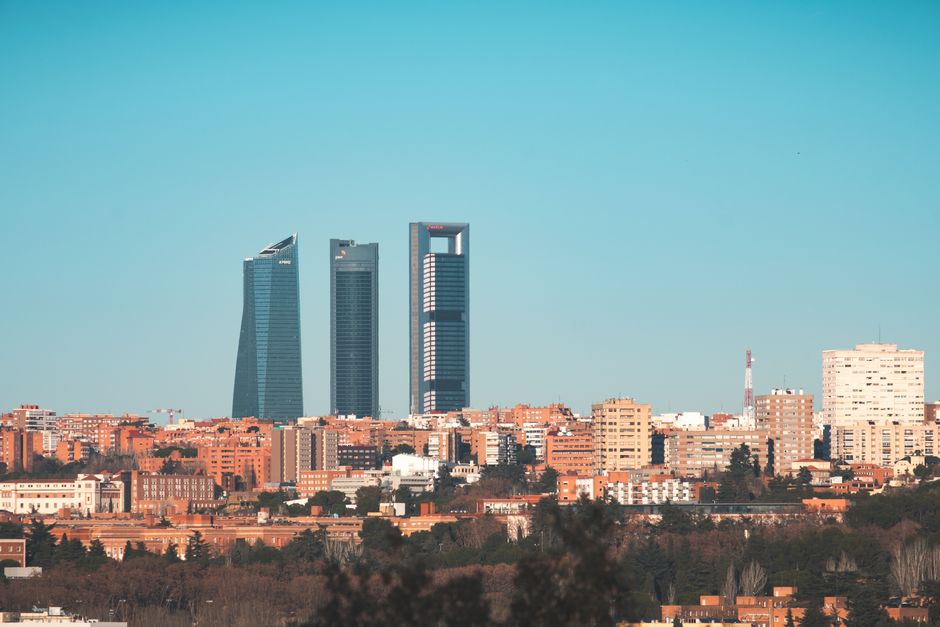
Madrid's residential investment market has entered a recalibration phase. With average property prices hovering around €4,500 per square metre citywide, landlords watching gross yields slip below 4% in premium zones are asking uncomfortable questions about where opportunity actually lies in 2026.
The driver? Supply constraints colliding with international capital inflows. Madrid's stock of rentable apartments remains limited—planning restrictions in established neighbourhoods like Salamanca and Chamberi have kept new completions modest—while foreign investors and corporate buy-to-let funds continue acquiring trophy properties along Paseo de la Castellana and around the Prado Museum precinct. This bidding war has compressed yields precisely where brand-name locations command premium prices.
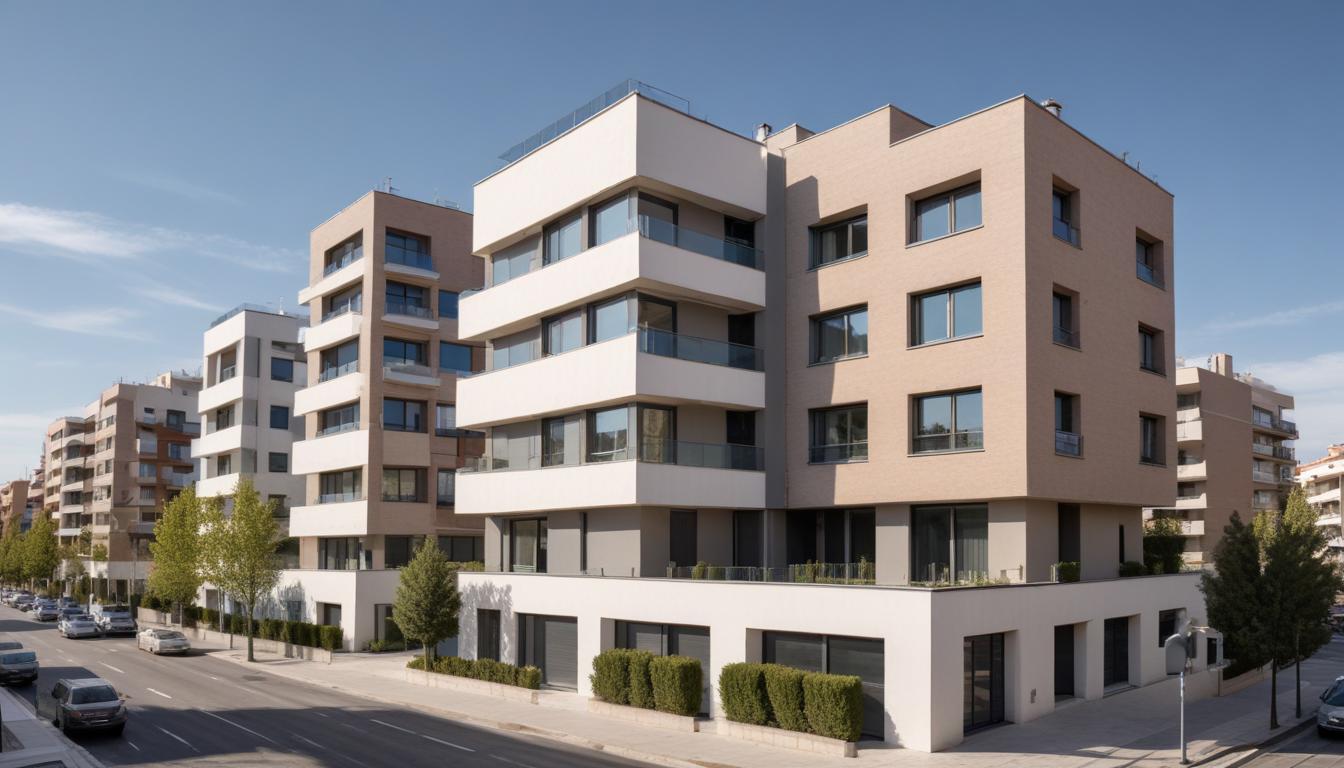
Savvy investors are shifting focus to secondary corridors where fundamentals tell a different story. Vallecas, historically overlooked, is drawing young professionals priced out of central Madrid. A modest two-bedroom apartment there might yield 5.2–5.8% gross rental income while capital appreciation potential remains intact as the neighbourhood's infrastructure improves. Similarly, pockets of Chueca and Malasaña—no longer exclusively bohemian—are attracting demand from remote workers and smaller households seeking authenticity over postcode prestige.
The critical metric now is not location brand but tenant demand velocity. Properties near Metro stations on extended lines (Line 7 towards Pitis, Line 10 towards Fuenlabrada) are seeing faster lettings and lower vacancy periods. Commercial visibility matters too; apartments within walking distance of established dining hubs like those around Plaza de la Paja or Mercado de San Miguel command premium rents despite not sitting in Salamanca proper.
Regulation is also reshaping the math. Madrid's regional government has signalled tighter controls on tourist rental licences, pushing some investors from short-term into long-term lettings—a structural shift lowering per-unit yields but reducing vacancy risk for disciplined operators. Landlords who adapt quickly to this regulatory environment are capturing stable tenants others are chasing.
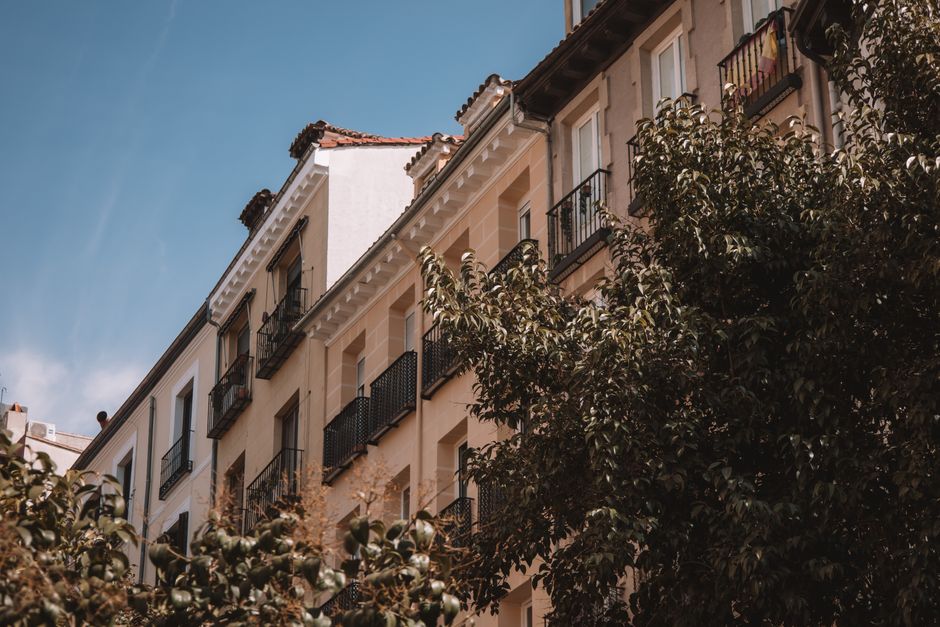
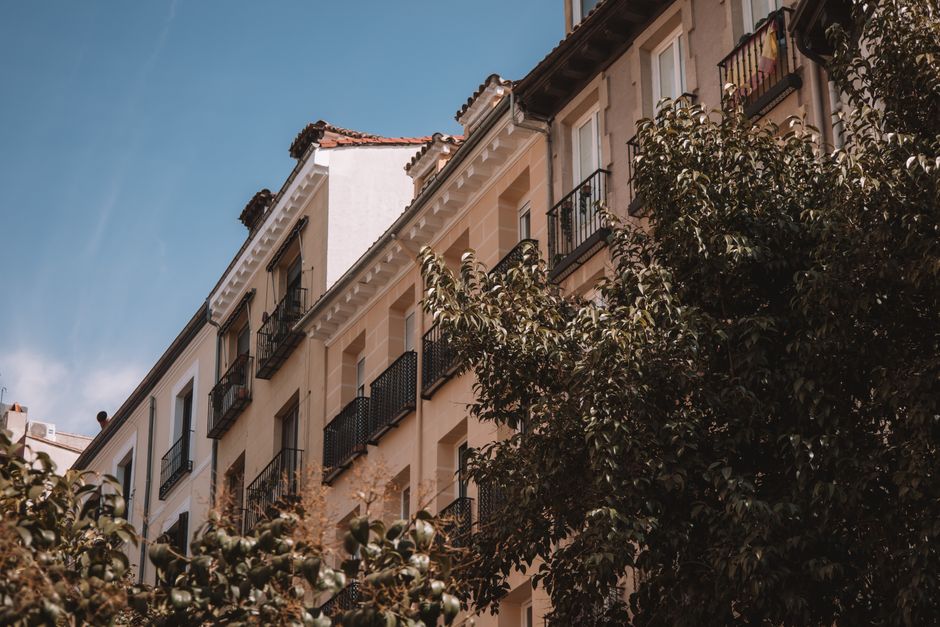
The broader lesson: Madrid's investment property market is no longer a simple play on postcodes. Today's smart capital deploys based on yield spreads, tenant demand patterns, and regulatory tailwinds. Premium neighbourhoods remain stores of value, but returns now require deeper due diligence on specific streets, building management quality, and tenant profile. The days of passive appreciation in sought-after postcodes are waning. Active insight is back in fashion.
This article was compiled by AI from the sources linked above and screened before publishing. See our editorial standards.
How does this story make you feel?
Spread the word
About this article
Published by The Daily Madrid
Daily brief
Free, in your inbox before 7am. Weekdays.
More in Property