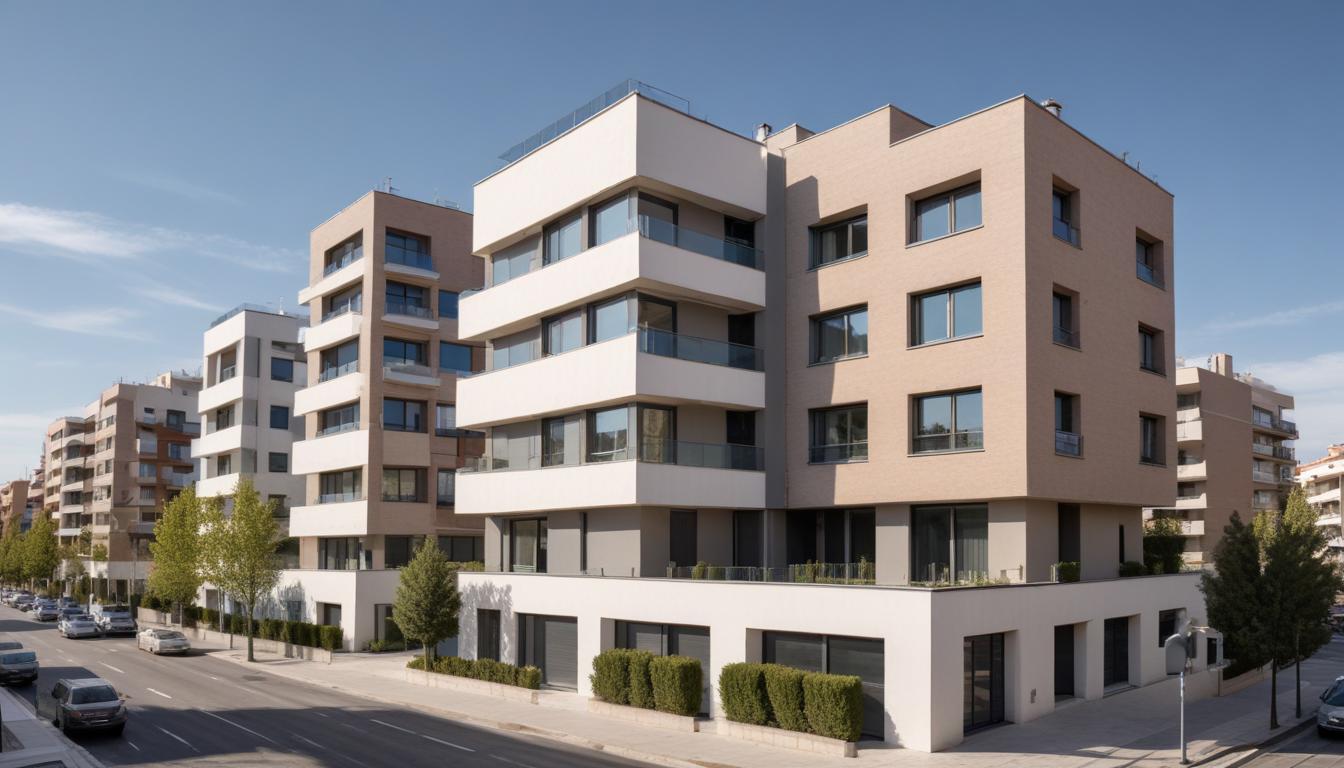
The tension is palpable on both sides of Madrid's rental equation. While landlords celebrate rising asset values—properties in Salamanca and Chamberí now commanding €5,500 per square metre—tenants in those same neighbourhoods are being priced into increasingly precarious housing situations.
Data from local property agencies suggests Madrid's rental market has entered a new phase. A two-bedroom apartment in Malasaña, once the refuge of price-conscious renters, now averages €1,100 monthly. Move slightly north to Chamberí, and that same space commands €1,400. The squeeze has pushed affordability ratios to concerning levels: renters in premium zones now spend 35-40% of income on housing, well above the sustainable 30% threshold.
The impact cascades differently across Madrid's neighbourhoods. In traditionally working-class areas like Vallecas and Villa de Vallecas, rental demand has intensified as displaced tenants seek alternatives. This migration is itself driving prices upward—Vallecas rents have increased 12% year-on-year, according to market observers. Meanwhile, landlords in central districts face a paradox: record valuations make their properties attractive investment vehicles, yet rising maintenance costs and new regulatory requirements squeeze operational margins.
Regulatory shifts have complicated the calculus further. Madrid's regional government policies around rental contracts and tenant protections have made smaller landlords—the backbone of the city's rental stock—increasingly cautious. Some are converting long-term rentals into holiday lets or selling outright, constricting supply precisely when demand peaks.
Young professionals and families are adapting. The rise of co-living arrangements near Atocha and Reina Sofía reflects a new pragmatism. Shared apartments that once seemed temporary have become permanent housing solutions. Simultaneously, landlords are fragmenting larger properties into micro-units, a trend visible across Chueca and Malasaña.
The disconnect between purchase prices (averaging €4,500 per sqm citywide) and rental yields creates instability. A landlord purchasing a property at peak valuation struggles to generate acceptable returns through traditional lettings. This mismatch encourages speculative behaviour and short-termism rather than long-term rental stewardship.
Madrid's rental market remains fundamentally functional—properties lease quickly, and vacancy rates stay low. But the underlying dynamics suggest tension ahead. Without meaningful supply increases or rental regulation adjustments, both tenants and smaller landlords face difficult roads. The question facing policymakers isn't whether intervention is needed, but what form it will take.
This article was compiled by AI from the sources linked above and screened before publishing. See our editorial standards.