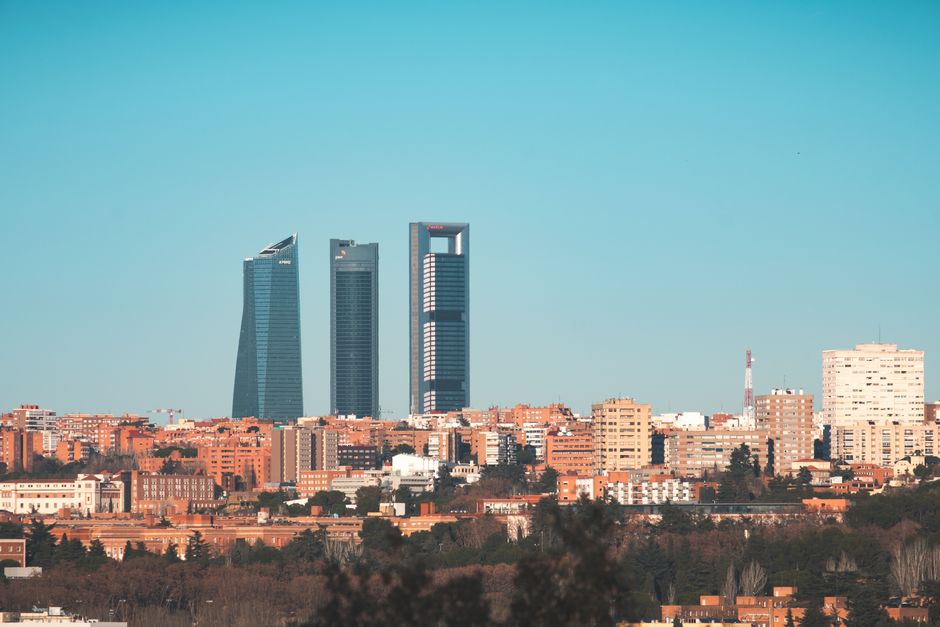
Madrid's luxury property sector is experiencing its most significant policy-driven realignment in a decade following the Regional Government's updated heritage conservation framework, which took effect in March 2026. The new zoning restrictions—particularly affecting properties along Paseo de Recoletos, Calle Serrano, and the Barrio de Salamanca's residential core—are fundamentally altering how premium developments proceed and pricing trajectories across the city's most exclusive neighbourhoods.
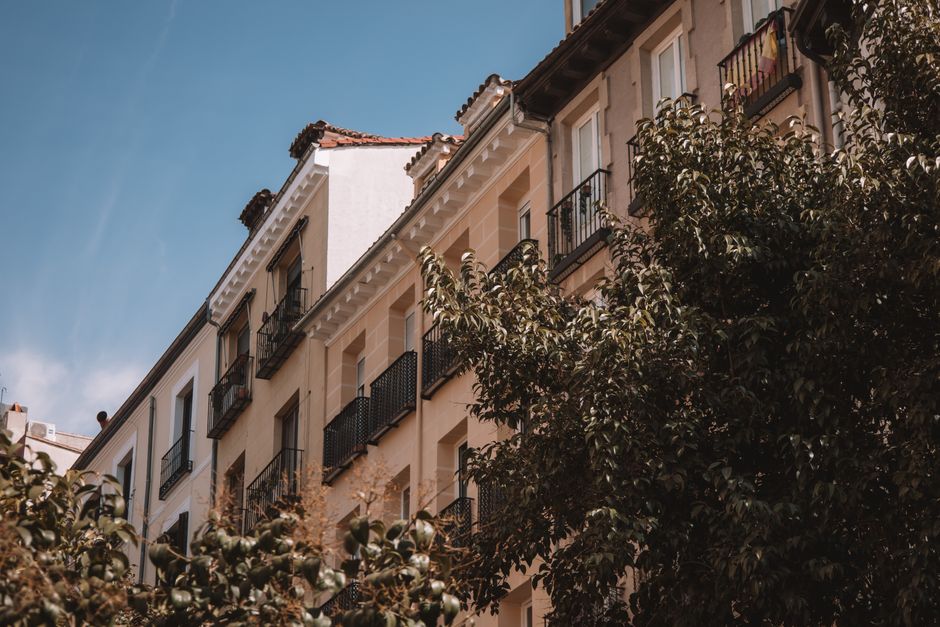
The legislation mandates that any renovation or redevelopment of properties built before 1950 in protected zones must preserve 70% of original facades and maintain architectural coherence with surrounding streetscapes. For the ultra-high-end market, where properties in Salamanca command EUR 12,000–15,000 per square metre, this represents a significant constraint on the kind of transformative projects that previously justified premium valuations.
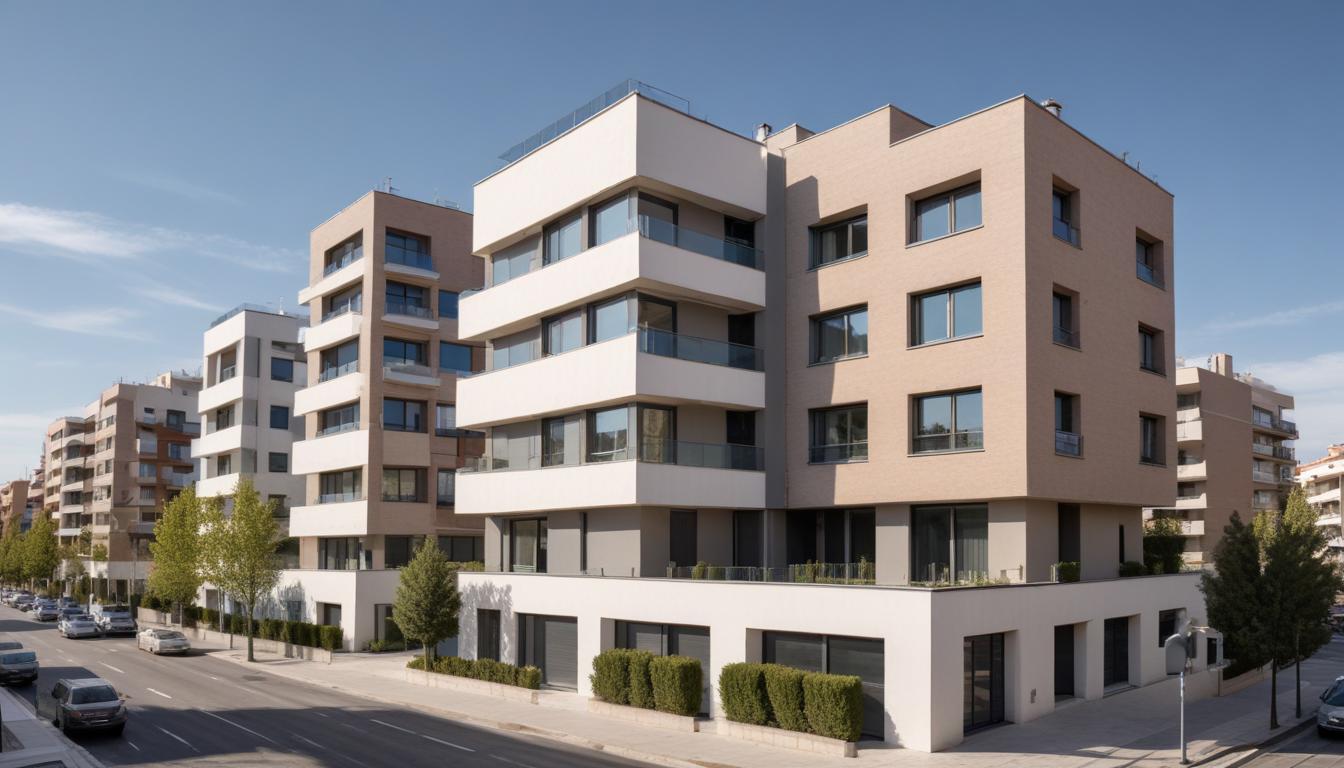
"We've seen developer interest shift materially toward newer stock in Chamberi's outer reaches and emerging pockets like northern Vallecas," explains data compiled by Madrid's property market analysts. Several major institutional investors have quietly redirected capital away from historic core acquisitions, where renovation budgets have increased 35–40% due to compliance costs and extended approval timelines now averaging 18–24 months versus the previous 8–10.
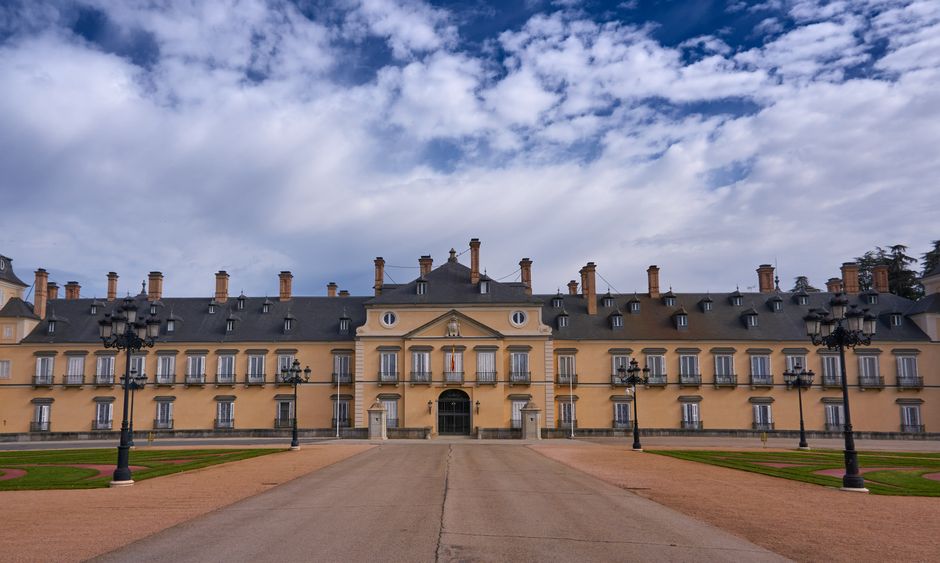
However, the policy has paradoxically strengthened demand for untouched period properties among owner-occupiers and international luxury buyers seeking authentic Madrid character. Calle Claudio Coello and adjacent streets have seen steady interest from European and Middle Eastern purchasers willing to accept architectural constraints as part of the neighbourhood's cultural premium. Current market sentiment suggests the EUR 4.5k average across Madrid masks a widening divergence: restricted historic zones hardening in value among discerning buyers, whilst policy-compliant modern alternatives in Malasaña and Chueca gain investor traction.
The Ayuntamiento's planning directorate has signalled no imminent adjustments to the framework, emphasizing Madrid's obligation to UNESCO recognition and residential livability standards. Industry bodies representing major developers have requested expedited approval pathways for projects meeting stricter environmental and social criteria, negotiations still ongoing with municipal authorities.
Real estate professionals tracking institutional capital flows note the uncertainty is temporary. Madrid's fundamental desirability—proximity to financial services, schools, and cultural institutions—remains intact. The revised policy environment is ultimately a recalibration, not a market brake. Sophisticated buyers and investors are adapting portfolio composition accordingly, with the next 12–18 months likely revealing clearer winners and losers within Madrid's luxury segment.
This article was compiled by AI from the sources linked above and screened before publishing. See our editorial standards.