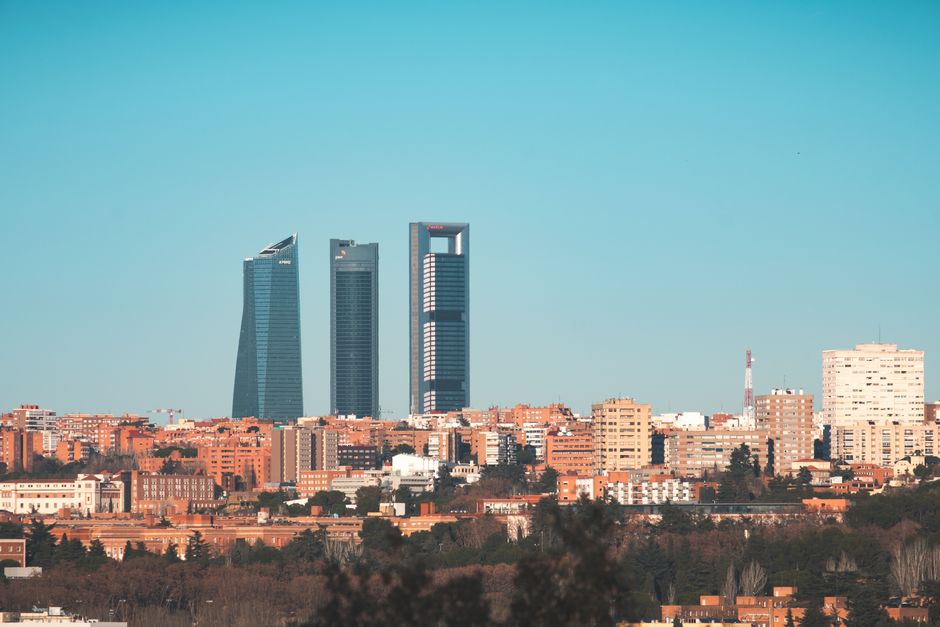
Madrid's property market has shifted. While Salamanca and Chamberí command premium prices—hovering near €6,500 per square metre—the real conversation among yield-focused investors is no longer about appreciation. It's about rental income, and that conversation is happening in Vallecas, Malasaña, and increasingly along the Paseo de la Castellana corridor.
The numbers reveal three distinct investor plays. In Vallecas, south of the Manzanares, rental yields hover around 5–5.5% gross, with studio and one-bedroom units near Parque de las Tres Culturas commanding €850–950 monthly rent against purchase prices of €180,000–220,000. That's a calculus that central Madrid simply cannot match. Chamberí, by contrast, delivers gross yields of 3–3.5%, despite asking prices of €550,000 for comparable units on Calle de Santa Engracia or around the Nuevos Ministerios transport hub.
Malasaña presents a hybrid case. The neighbourhood's gentrification over the past eight years has created a bifurcated market. Penthouses and renovated lofts on Calle del Espíritu Santo trade at €420,000–500,000, with yields settling at 4–4.2%. Yet emerging value lies one block deeper—on parallel streets like Calle de Manuela Malasaña itself—where investors find €320,000 properties generating 4.8% returns. The neighbourhood's dense ecosystem of independent cafés, galleries, and proximity to the Mercado de San Antón creates consistent tourist rental demand, sustaining occupancy rates above 85%.
What the market data actually shows is a flight toward diversification. Institutional investors and small portfolios alike are reconsidering the risk-reward calculus. A €1 million investment in Salamanca, spread across two or three units, might generate €30,000–35,000 annually in rental income. The same capital deployed across five properties in Vallecas and southern Malasaña generates €50,000–55,000—with different tenant profiles, different risk exposure, and different exit strategies.
The regulatory environment matters too. Madrid's rental protections remain relatively landlord-friendly compared to Barcelona, and the recent stabilisation of transaction volumes—after two years of speculation-driven volatility—suggests the market is pricing in reality rather than momentum. Clearance rates have softened, meaning selective neighbourhoods are now rewarding patient, income-focused investors rather than speculators.
For investors watching the broader cycle, the message is clear: Madrid's property returns are no longer geographic accidents. They're increasingly the product of neighbourhood fundamentals—transport links, demographic density, regulatory clarity, and actual renter demand. The investors winning today are reading those numbers, not the headlines.
This article was compiled by AI from the sources linked above and screened before publishing. See our editorial standards.