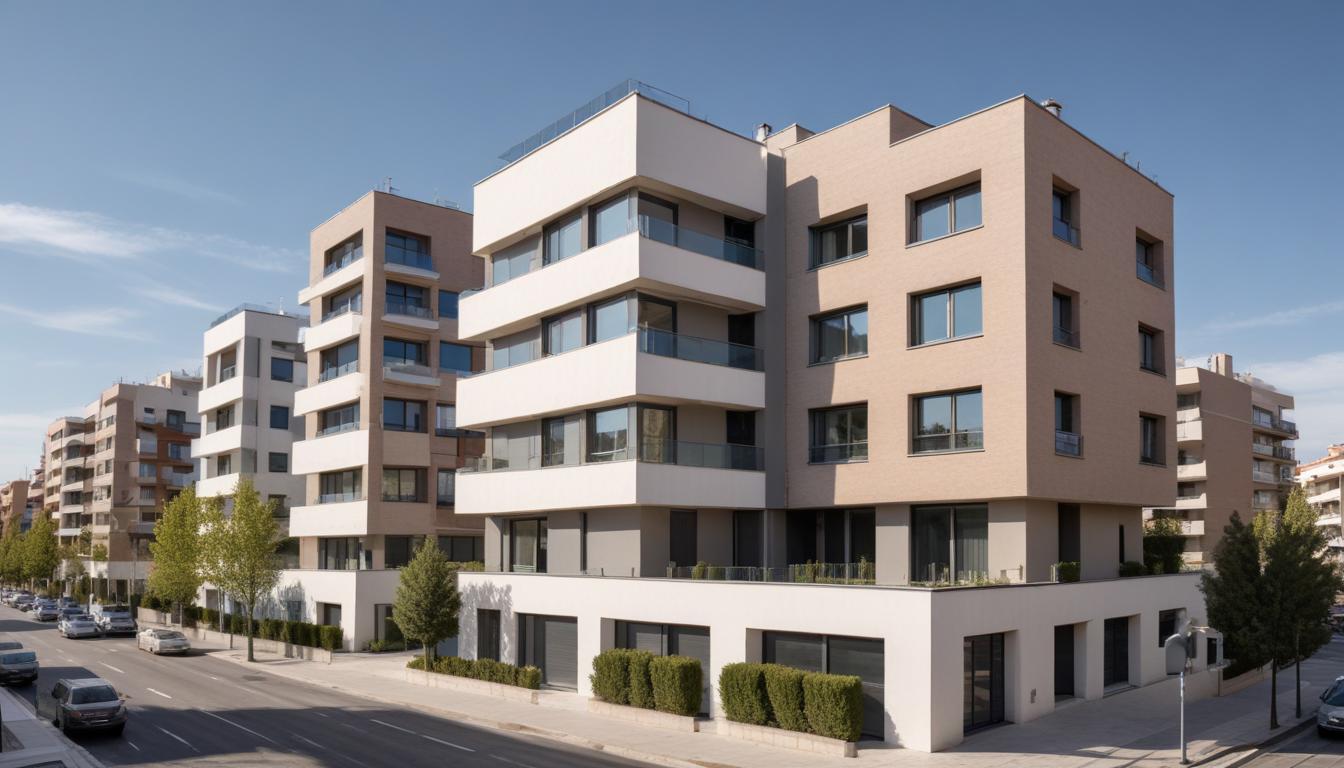
First-time buyers caught between rising rents and property grants as Madrid's dual market squeeze tightens
Ambitious first-home finance schemes clash with a rental crisis that's keeping young Madrileños locked out of ownership altogether.
Ambitious first-home finance schemes clash with a rental crisis that's keeping young Madrileños locked out of ownership altogether.

The irony is sharp for María, a 28-year-old marketing manager renting a 45-square-metre studio in Malasaña for €950 monthly. Madrid's first-time buyer grants—worth up to €10,000 under regional schemes—sound promising until she does the maths. After five years saving for a deposit whilst paying nearly €12,000 annually in rent, she's watched property prices in her neighbourhood climb from €4,200 to €4,800 per square metre. The goalposts keep moving.
Her situation encapsulates a widening tension across Madrid's property landscape. The community's first-home buyer support programmes, designed to ease market entry, operate in a rental environment that's simultaneously eroding would-be buyers' purchasing power. Between 2024 and early 2026, rental yields in established neighbourhoods like Salamanca and Chamberí have climbed 12-15%, pushing young professionals deeper into the margins.
Landlords, meanwhile, face their own squeeze. Rising maintenance costs, new regulatory requirements around energy certification, and the city council's push for stricter tenant protections have compressed margins. A two-bedroom apartment yielding €1,400 monthly in Vallecas—Madrid's emerging growth area—now requires substantially more upfront capital to meet compliance standards. Some smaller investors have quietly exited, tightening supply further.
The knock-on effect is predictable but damaging. Landlords increasingly target corporate tenants and longer institutional leases rather than individual renters, making it harder for young professionals to build rental histories that support mortgage applications. Simultaneously, first-time buyer grants fail to address the core problem: deposit savings are being consumed by rising rents before anyone qualifies for the money.
Madrid's property market—averaging €4,500 per square metre citywide—sits at an inflection point. The schemes work for those with family support or existing equity. For the majority? The rental market has become a financial treadmill that prevents accumulation, not a stepping stone toward ownership.
Estate agents working the Chueca and Sol corridors report growing client frustration. First-time buyers who qualify for grants still can't access mortgages without 25-30% deposits. Landlords facing regulatory costs increasingly demand higher rents to maintain returns. The rental sector, rather than feeding the property ladder, is becoming its own economy—one increasingly disconnected from owner-occupier reality.
Madrid's policymakers designed grants to stimulate buyer demand. What they didn't anticipate was how rental market pressure would simultaneously suppress the savings capacity that makes those grants meaningful. Until both markets are addressed together, one scheme's ceiling remains the other sector's foundation.
This article was compiled by AI from the sources linked above and screened before publishing. See our editorial standards.
How does this story make you feel?
Spread the word
About this article
Published by The Daily Madrid
Daily brief
Free, in your inbox before 7am. Weekdays.
More in Property