For decades, Vallecas occupied an awkward position in Madrid's property hierarchy: south of the M-30, working-class, industrial. Investors looked elsewhere. Today, that calculation has fundamentally shifted. The district east of the Manzanares is emerging as the capital's most compelling affordable housing market, underpinned not by speculation but by genuine policy momentum and demographic demand.
The transformation is measurable. Average prices in Vallecas now hover around €3,200 per square metre—roughly 29% below the city average of €4,500/sqm—yet transactions are accelerating. The Madrid municipal government's Vivienda 2030 programme has allocated over €120 million to social housing projects across the district, with priority zones centring on areas adjacent to Puente de Vallecas station and along the newly rehabilitated Paseo de la Dirección.
"What's changed is infrastructure and legitimacy," explains the narrative around Vallecas. The extension of the M-13 metro line, completed in 2024, has cut commute times to central business districts dramatically. The Arganzuela neighbourhood within Vallecas—historically the most deprived subsection—now sits 18 minutes from Sol. That transit improvement alone has altered investor perception.
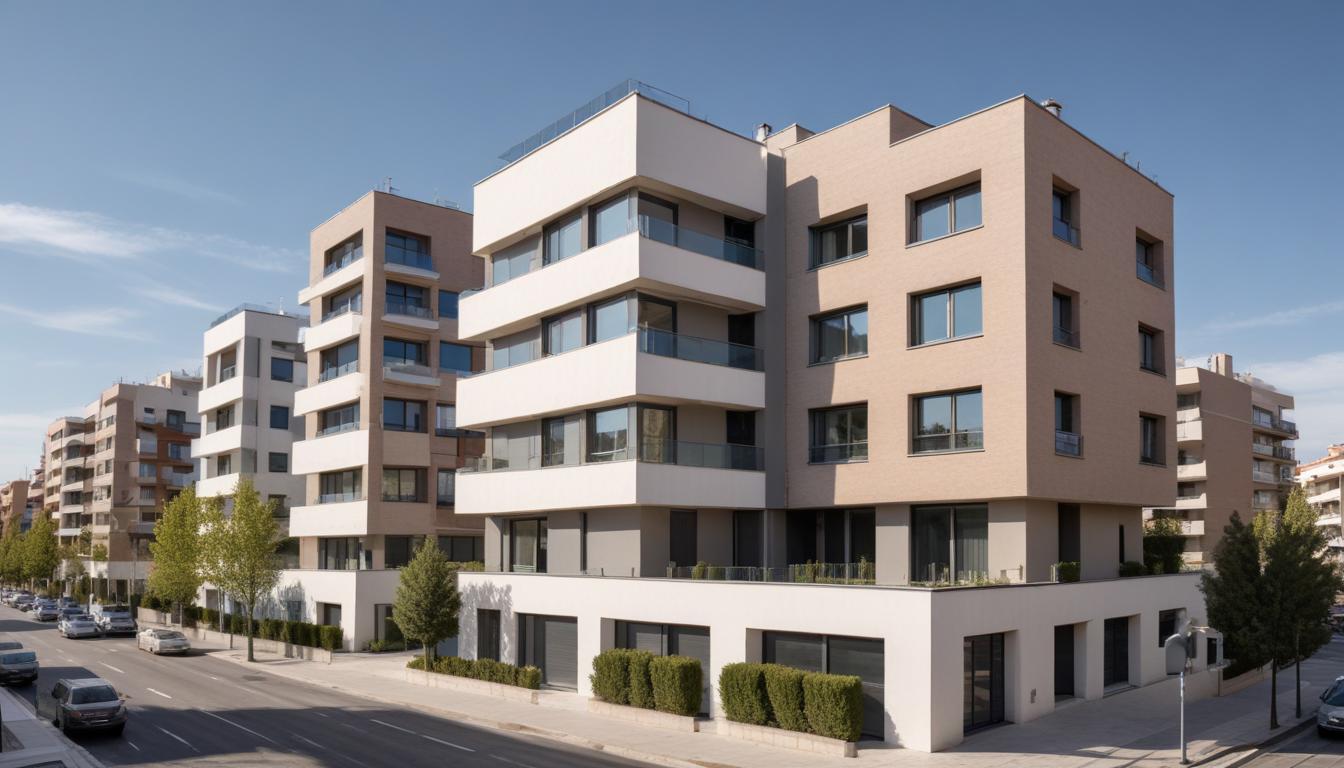
Property professionals tracking the sector point to specific intervention zones. The Ensanche de Vallecas development, a municipal-led housing block near Avenida de la Albufera, delivered 340 subsidised units in 2025 at prices capped at €2,800/sqm. Occupancy exceeded 95% within six months. Similarly, the cooperative housing scheme operating from Calle del Tocinero has attracted attention from institutional buyers betting on long-term rental yields in the 4–5% range—respectable by Madrid standards, especially given regulatory protections.
The city's shifting focus toward mixed-income neighbourhoods reflects broader realities. Young families, remote workers, and service-sector professionals increasingly seek value over postcode prestige. Vallecas offers cafés, markets, cultural spaces—the Fábrica de Sueños creative hub on Calle de Peñuelas hosts galleries and studios—without the Malasaña markup.
However, scale remains a constraint. While Vallecas has absorbed 2,100 new affordable units in the past 18 months, Madrid's broader housing deficit exceeds 30,000 units. The district's emergence as an investment hotspot reflects not abundance but rational allocation in a compressed market.
For investors accustomed to chasing premium addresses in Salamanca or Chamberi, Vallecas represents a recalibration: patient capital targeting stability over explosive returns, backed by municipal commitment that makes the bet structural rather than cyclical.
This article was compiled by AI from the sources linked above and screened before publishing. See our editorial standards.