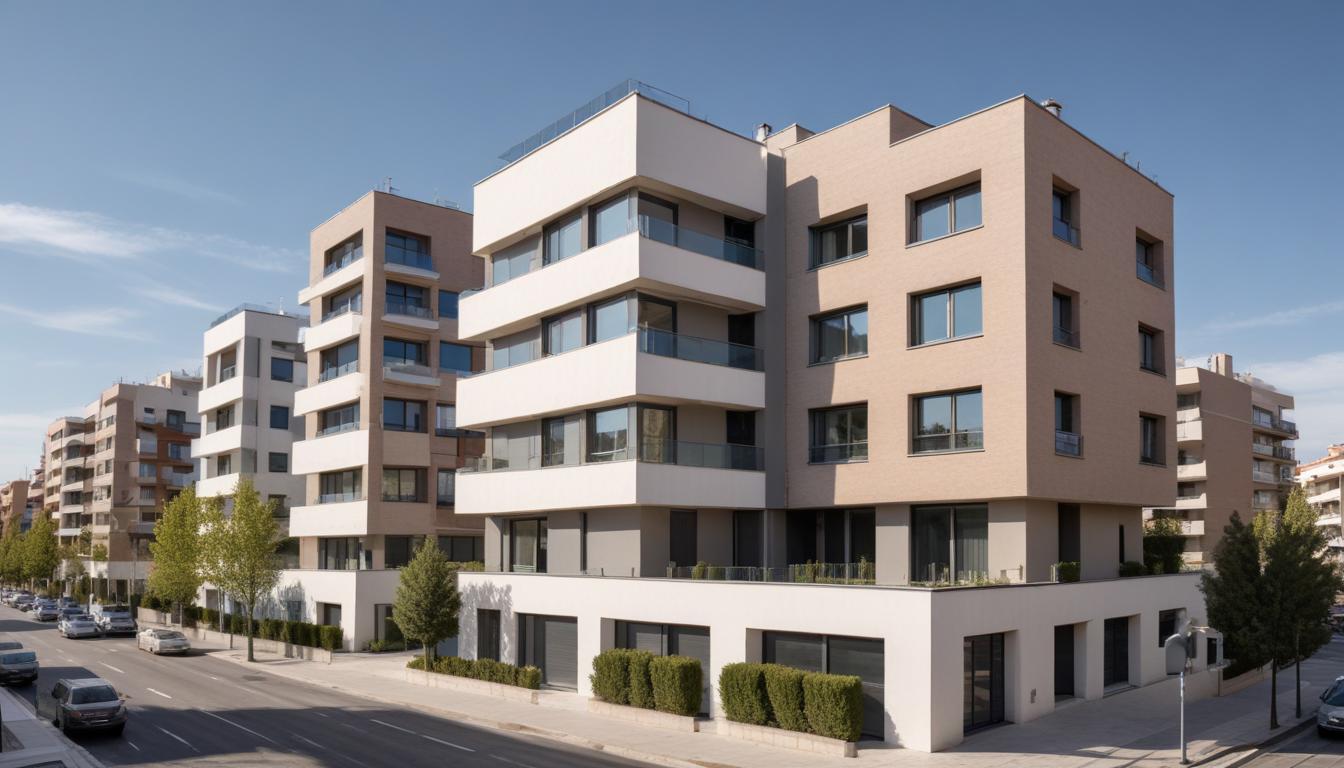
Madrid's planning authority has quietly redrawn the rules for residential development, and the ripple effects are already visible on building sites from Vallecas to Chamberí. The revised zoning decree, enacted this spring, mandates that 30% of all new residential units in designated growth corridors must be reserved for social housing—a significant tightening from the previous 20% threshold that has already begun to reset developer calculations and reshape neighbourhood trajectories.
The policy shift targets high-growth zones including the Vallecas-Entrevías corridor and vacant industrial lands near Avenida de América, where speculative pressure has been mounting. Previously, developers could offset social housing requirements through payments to municipal funds; the new rules eliminate that option entirely for projects above 100 units. For neighbourhoods like Malasaña and Chueca, where gentrification has accelerated alongside rising rents, the mandate offers a potential counterweight—though implementation remains uneven.
Market data tells a complex story. Average property values across Madrid remain anchored at €4,500 per square metre, but in premium zones like Salamanca, prices continue climbing toward €6,800/sqm. The new regulations have created a two-track market: developers pursuing smaller infill projects in established neighbourhoods face fewer restrictions, while larger greenfield developments—once the engine of affordable supply—are now absorbing higher social housing costs. Several major projects have been repriced or delayed as developers reassess viability.
The Ayuntamiento's own housing directorate estimates the new rules could unlock approximately 4,200 affordable units over five years, though construction timelines have extended by 12-18 months as legal challenges and permit revisions work through bureaucracy. Two major schemes stalled at the planning stage in recent months—including a 280-unit mixed-income project on Calle Lavapiés—suggest implementation friction remains real.
Local organisations working on housing access report cautious optimism. The requirement removes financial workarounds that previously reduced affordable output, but enforcement remains critical. Neighbourhood associations in Vallecas have begun monitoring compliance, while property consultants warn that reduced developer margins could slow overall residential supply just as Madrid's population continues growing.
The true test arrives in 2027, when the first cohort of new-build apartments begins delivery. Whether these policy changes deliver genuine affordability or simply raise costs elsewhere remains the defining question for a city where housing pressure continues to reshape social geography.
This article was compiled by AI from the sources linked above and screened before publishing. See our editorial standards.