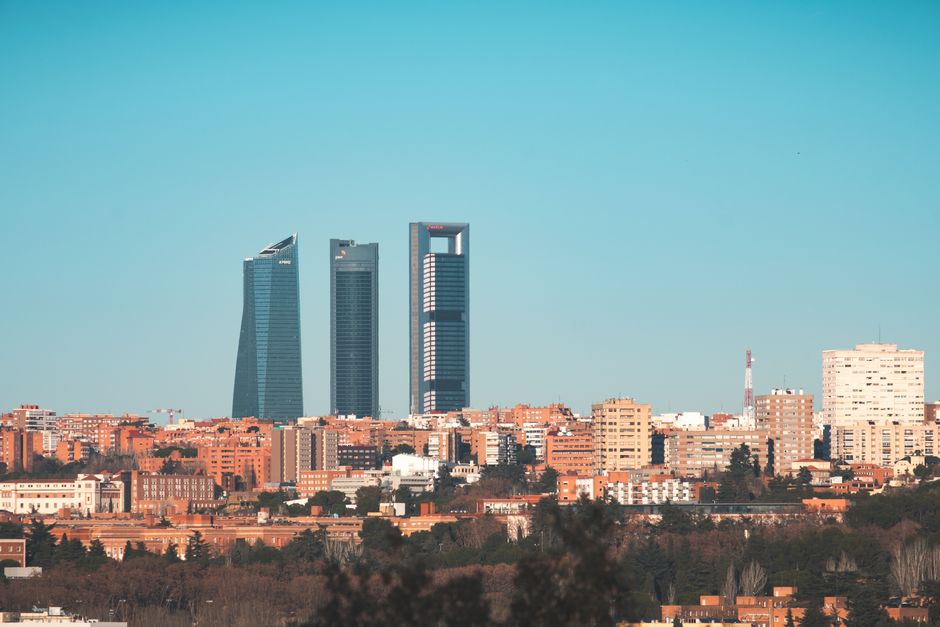
Madrid's rental market is entering a critical inflection point. With vacancy rates hovering around 6–7% citywide—well above the European average—developers are racing to deliver new residential stock across multiple zones, from the Paseo de la Castellana corridor north to the emerging Vallecas revival projects south of the capital.
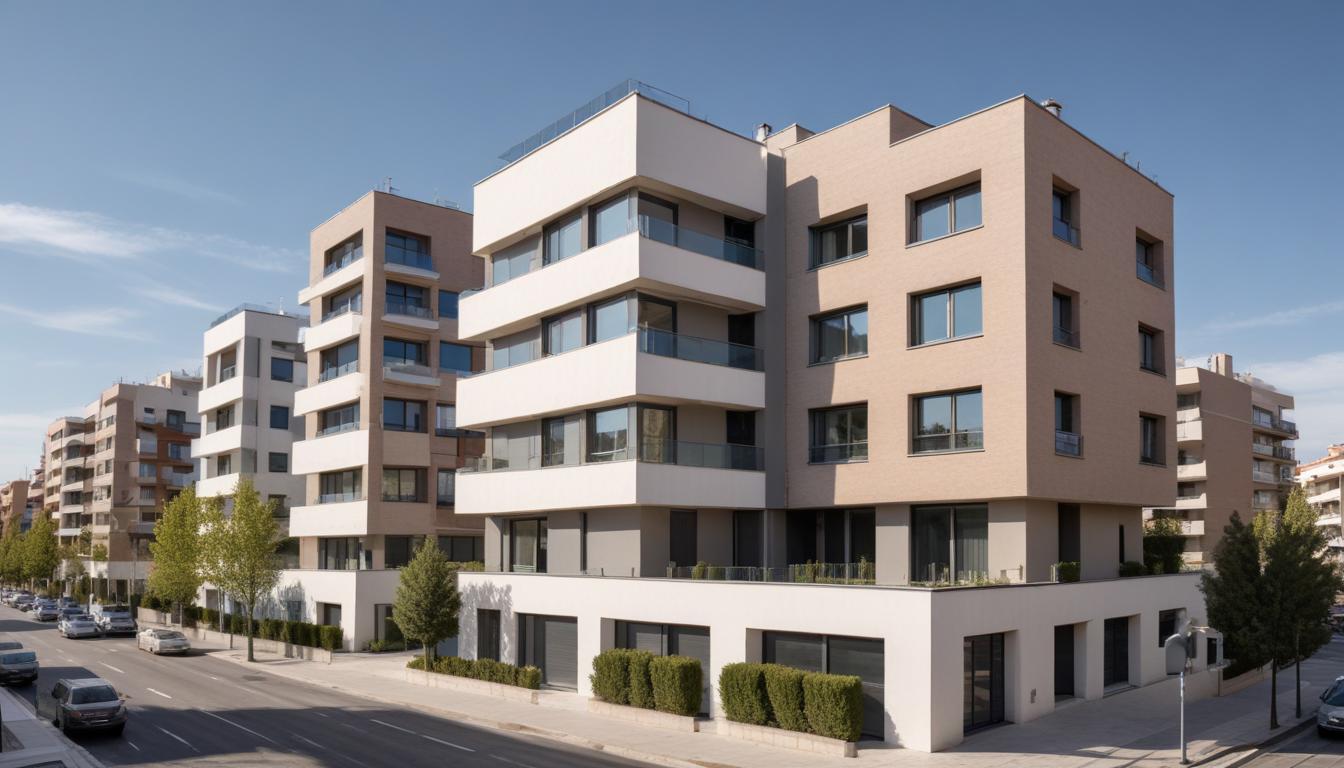
The scale of incoming supply is substantial. Three major schemes stand out: the Manoteras regeneration in Chamartín, targeting 1,800 new units by 2028; the Nuevo Vallecas extension pushing east with mixed-income housing; and smaller but significant infill projects along Avenida Brasil and near the Reina Sofía museum precinct. Combined, these could inject roughly 4,000 rental-ready apartments into the market over 24 months—a 12% increase on current stock.
For renters, the mathematics cut both ways. In established premium zones like Salamanca and Chamberí, where per-square-metre rates push €5,200–€5,800, new supply remains negligible. Investors there guard aging portfolios jealously, keeping vacancy artificially low and rents static. But in Malasaña, Chueca, and—critically—Vallecas, new projects signal relief. Current rents in Vallecas average €800–€950 for a two-bedroom; new developments promise competitive units at €950–€1,100, undercutting speculative landlords who've capitalised on scarcity.
The real shift emerges in tenant negotiating power. Agents report that young professionals and international relocators—Madrid attracted 87,000 inbound migrants in 2025—now browse 30–40% more options than two years ago. Landlords are responding by offering flexible lease terms, furnished packages, and even rent reductions in lower-demand months. This marks a reversal from 2023–2024's supply-constrained chaos.
However, the distribution remains uneven. While Chamartín and Vallecas will absorb capacity, central neighbourhoods show no relief. Chueca and Malasaña, buffeted by tourism pressure and corporate buyouts, see landlords converting units to short-term holiday lets—further shrinking long-term supply despite nominal vacancy statistics.
Tenant advocates urge caution. Madrid's construction timeline is aggressive, and delays are endemic. The Manoteras project, for instance, faces permitting reviews that could slip completion into 2029. Meanwhile, displacement risk persists: regeneration often triggers gentrification, pushing current residents outward as rents follow new development.
For renters scouting now, the window is open—especially in Vallecas and outer Chamartín, where supply is thickening and landlords lack the leverage of previous cycles. But legacy preference for central neighbourhoods means central scarcity won't ease soon. Strategic patience, particularly in emerging zones, pays dividends.
This article was compiled by AI from the sources linked above and screened before publishing. See our editorial standards.