Madrid's Neighbourhood Price Surge: What's Really Driving Values and What Smart Buyers Must Know Now
As central districts hit saturation, savvy investors are reshaping Madrid's property map—but timing and location selection have never been trickier.
As central districts hit saturation, savvy investors are reshaping Madrid's property map—but timing and location selection have never been trickier.
Listen to this article · 4:13
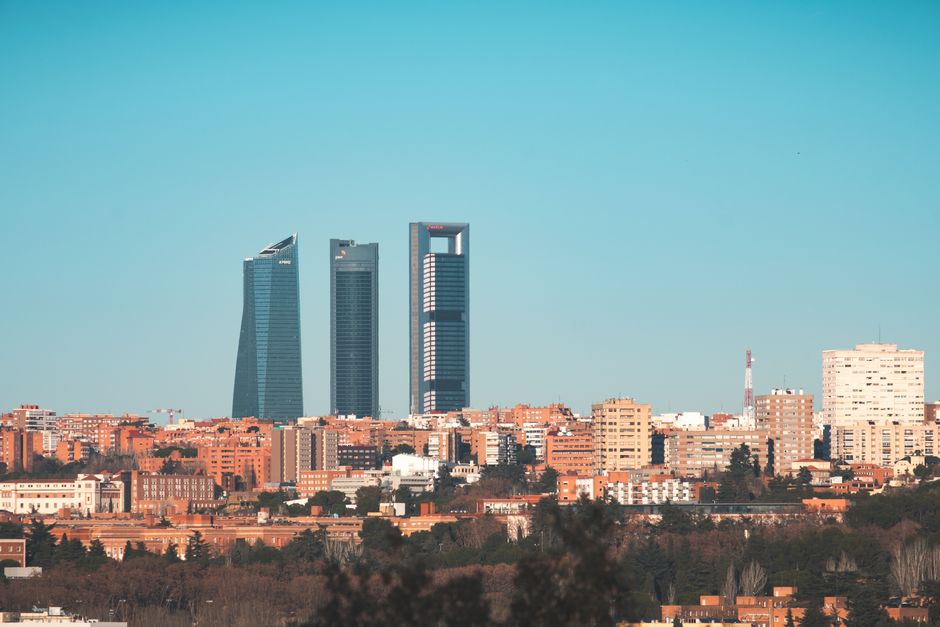
Madrid's property market in mid-2026 tells a story of dramatic geographic realignment. While Salamanca and Chamberí remain the prestige anchors—commanding €5,200+ per square metre—the real momentum is shifting eastward and northward, reshaping investment calculus for both locals and international buyers flooding the city.
Vallecas has emerged as the headline story. What five years ago was dismissed as peripheral is now experiencing sustained 8–12% annual appreciation, with new metro improvements and cultural regeneration around venues like the Matadero Madrid extending beyond creative circles into residential demand. Studios and two-bedroom flats that traded for €3,200/sqm in 2023 now regularly exceed €3,800. The neighbourhood's young demographic and authentic tapas scene along Calle Ibiza have attracted attention from European investors seeking London-adjacent pricing with growth potential.
Malasaña and Chueca, once the city's indie darlings, face a maturing investor problem: saturation. Average prices have stabilised around €4,600/sqm after rapid gains. New buyers here are paying premium rates for established neighbourhoods, not future upside. The real conversation among property strategists now centres on secondary beneficiaries—Tribunal, Noviciado, and pockets of Arganzuela—where character properties and lower entry points (€4,100–€4,400/sqm) offer both lifestyle and appreciation runway.
What's driving these shifts? Three factors converge. First, metro expansion and suburban rail improvements have genuinely shortened commute friction; the recent Vallecas line enhancements cut travel to Sol from 25 minutes to 14. Second, remote work normalisation means buyers no longer cluster around traditional business districts. Third, and most important, international capital—particularly from Italy, France, and the UK—is diversifying beyond trophy addresses. These buyers research neighbourhoods with institutional rigour, not nostalgia.
For buyers entering now, the playbook has changed. Chasing already-hot zones like Malasaña means accepting flatlined capital gains. Instead, proximity metrics matter more: does the area have genuine infrastructure investment, not just hype? Are rental yields sustainable (they're averaging 3.2–4% across most central neighbourhoods)? Is the neighbourhood attracting genuine demographic change—young families, remote workers, small businesses—rather than speculative interest?
The Madrid baseline of €4,500/sqm masks widening gaps. Premium central districts are consolidating as safe havens for wealthy Spanish and European investors. Growth opportunities now lie in connected, improving neighbourhoods where €4,200–€4,400/sqm still buys meaningful appreciation potential. The next 18 months will likely see continued polarisation: stagnation in overheated zones, momentum in improving suburbs.
This article was compiled by AI from the sources linked above and screened before publishing. See our editorial standards.
How does this story make you feel?
Spread the word
About this article
Published by The Daily Madrid
Daily brief
Free, in your inbox before 7am. Weekdays.
More in Property