Madrid's luxury property market is experiencing a pronounced shift. While the city's average price per square metre hovers around €4,500, prestige addresses in Salamanca and Chamberí are now commanding €8,000–€12,000 per sqm, with trophy properties on Calle Serrano and Paseo de la Castellana regularly exceeding €15,000. What's driving this premium acceleration, and what do discerning buyers need to understand before committing?
Several converging forces are reshaping Madrid's high-end landscape. First, international capital inflow remains robust. Wealthy European and Latin American investors—attracted by Spain's favourable tax residency programme and EU stability—continue acquiring trophy assets. The completion of major infrastructure upgrades, including expanded metro connectivity to northern suburbs and renovations around Plaza Mayor and the Retiro neighbourhood, has reinforced investor confidence in long-term appreciation.
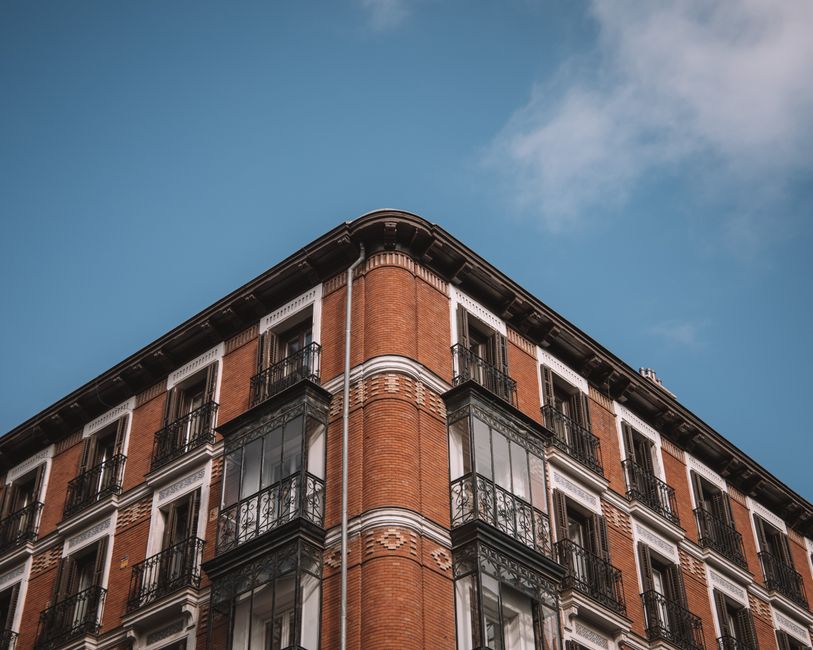
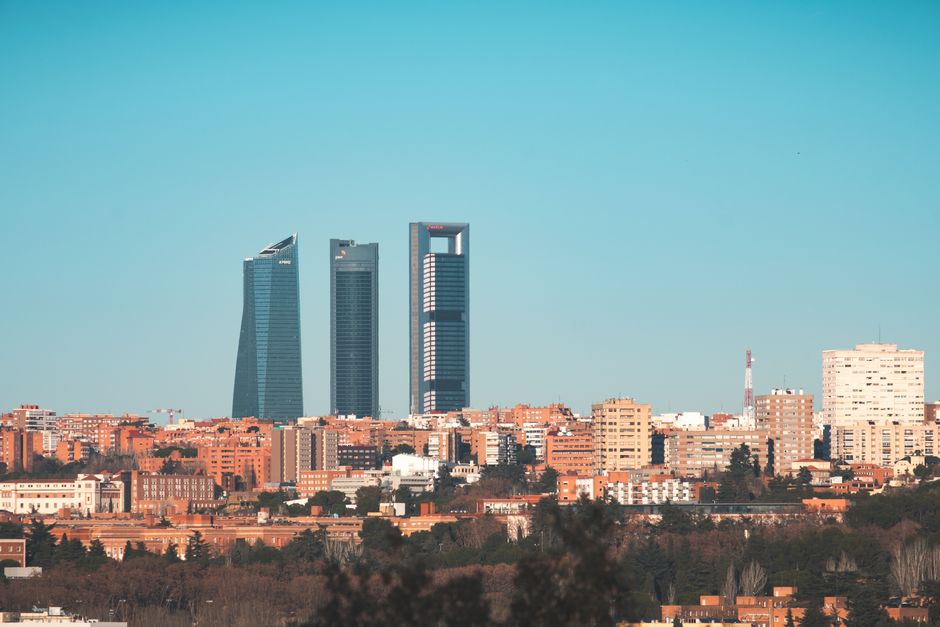
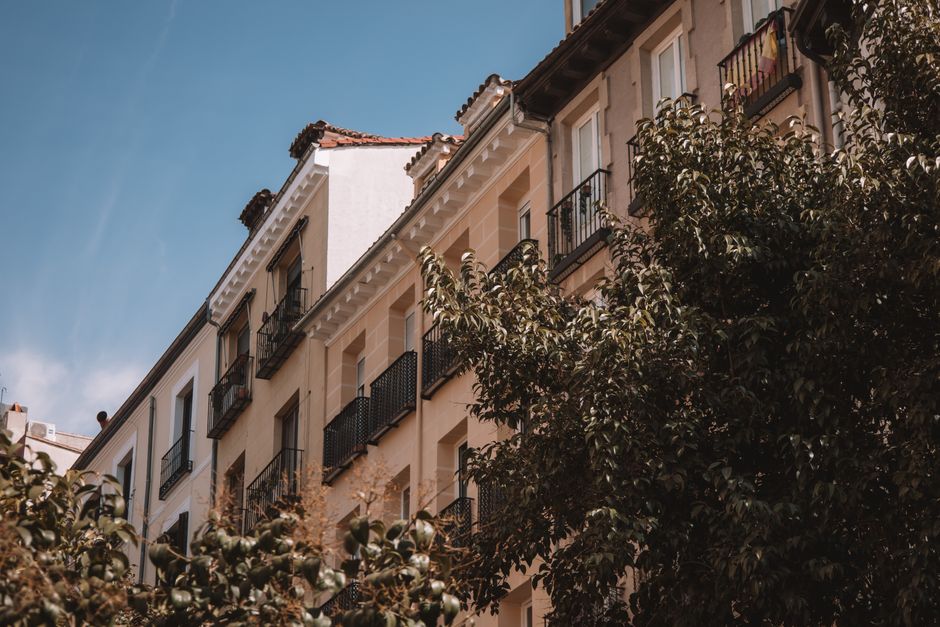
Second, supply constraints in premium zones are tightening. Salamanca's architectural heritage protections, combined with scarcity of substantial plots near Paseo de Recoletos, limit new luxury development. This scarcity effect is pricing out traditional Madrid wealthy, while attracting global capital seeking scarce, tangible assets. Chamberí—historically overlooked—is experiencing a renaissance as young professionals and international families discover its tree-lined streets and proximity to business districts around Paseo de la Castellana.
Third, the post-pandemic shift toward hybrid working has redrawn buyer priorities. Space, private terraces, and proximity to parks now command premiums that would have seemed excessive in 2019. A €3.5 million apartment with a 100-sqm terrace in Salamanca now sells faster than a cramped €2 million unit in a less prestigious address.
For buyers entering this market now, three realities demand attention. One: currency volatility matters enormously. International buyers must factor in exchange-rate hedging; a property priced at €6 million today could represent significant upside or downside depending on euro strength. Two: due diligence around legal title and neighbourhood zoning has become critical as demand intensifies—engage a specialised notary (gestoría) early. Three: the market is bifurcating. While Salamanca remains stable, emerging neighbourhoods like northern Vallecas offer growth potential but carry higher volatility.
The luxury market is no longer purely about prestige postcodes. Buyers now weigh lifestyle factors—proximity to international schools, health facilities, cultural venues like the Prado—as heavily as address alone. Understanding these dynamics separates savvy investors from those chasing yesterday's certainties.
This article was compiled by AI from the sources linked above and screened before publishing. See our editorial standards.