For decades, Vallecas has occupied an uncomfortable place in Madrid's property hierarchy: affordable, authentic, but somehow always overlooked by serious investors chasing the predictable safety of Salamanca or Chamberí. That calculation is shifting fast.
The neighbourhood, anchored around Avenida de la Albufera and spreading toward the Manzanares riverfront, is now attracting institutional interest and savvy individual landlords seeking yields that central Madrid can no longer reliably deliver. Current rental yields in Vallecas hover around 5–5.5%, compared to 3–3.5% in prime Salamanca—a meaningful spread in today's low-rate environment.
The numbers tell a compelling story. Average property prices in Vallecas sit roughly €3,200–€3,600 per square metre, substantially below Madrid's €4,500/sqm average, yet the neighbourhood has recorded year-on-year appreciation of 6–7% over the past 24 months. For investor-landlords, that combination—lower entry costs, respectable rental demand, and genuine capital growth—is precisely the arbitrage opportunity others overlooked.
Infrastructure investment is the quiet catalyst. The recently expanded metro connections and the ongoing regeneration of the Parque de la Arganzuela have transformed Vallecas's accessibility and livability. New mixed-use developments near Paseo de Yeserías are attracting younger professionals and remote workers priced out of Sol or Malasaña. Local venues like the Matadero cultural centre have become genuine draws rather than afterthoughts.
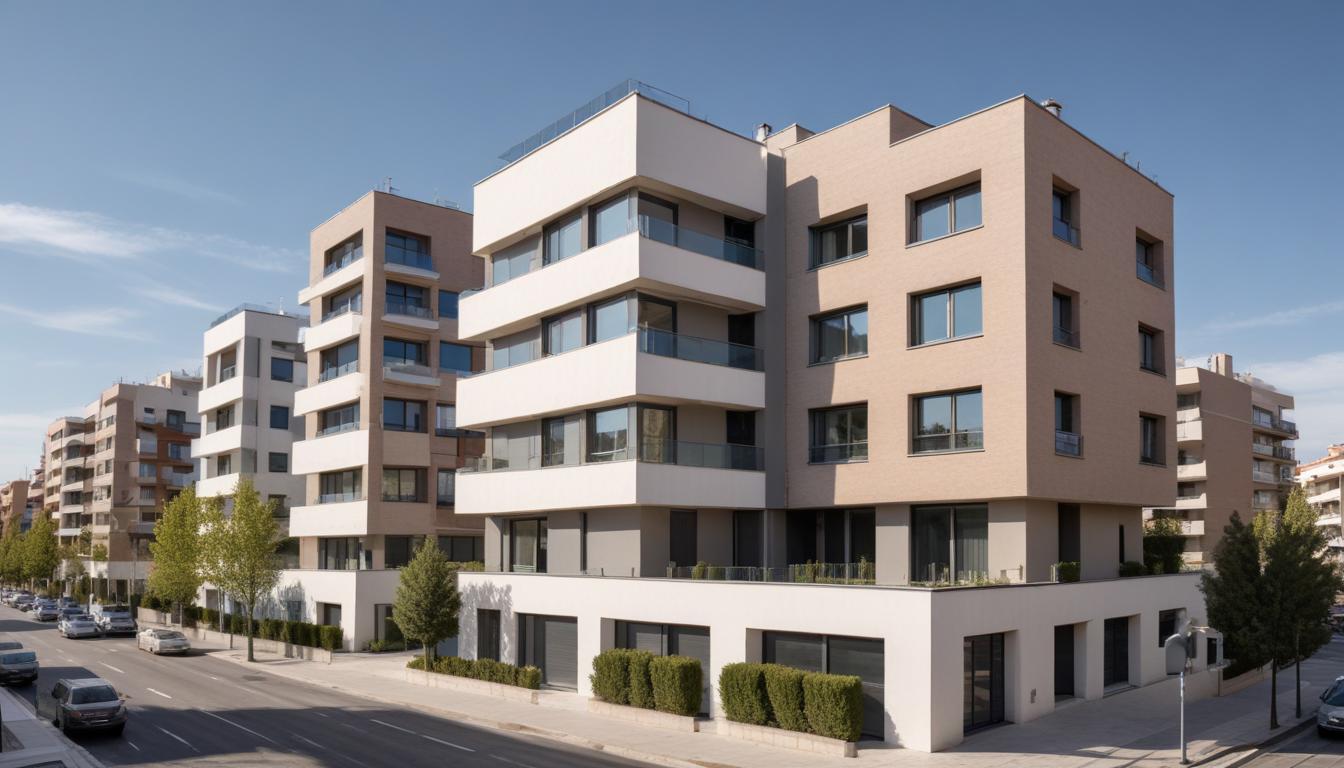
The investor playbook here differs from central Madrid. Rather than hunt for premium two-bedroom apartments to lease to high-net-worth expats, successful landlords are targeting modern one-bedroom units and small studios—the sweet spot for the young professionals and students now flooding into the neighbourhood. Build-to-rent developments are emerging, and individual property owners with units in newly refurbished buildings report occupancy rates above 95%.
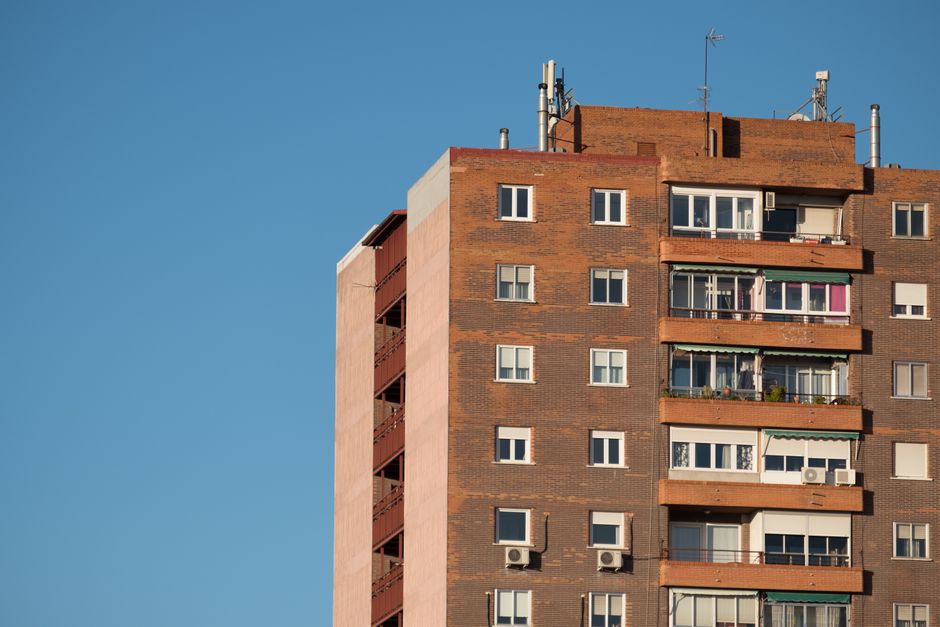
That said, Vallecas remains a contrarian bet. The neighbourhood still carries older housing stock and pockets of genuine decay, particularly around the eastern periphery. Due diligence matters: street selection, building condition, and tenant profile assessment are non-negotiable.
The sensible investor timeline is 5–7 years. Riding both the rental yield and the capital appreciation as Vallecas continues its gradual gentrification offers a return profile increasingly difficult to find elsewhere in Madrid. For those willing to look beyond the postcards and the guidebooks, the southeast is finally opening a legitimate door.
This article was compiled by AI from the sources linked above and screened before publishing. See our editorial standards.