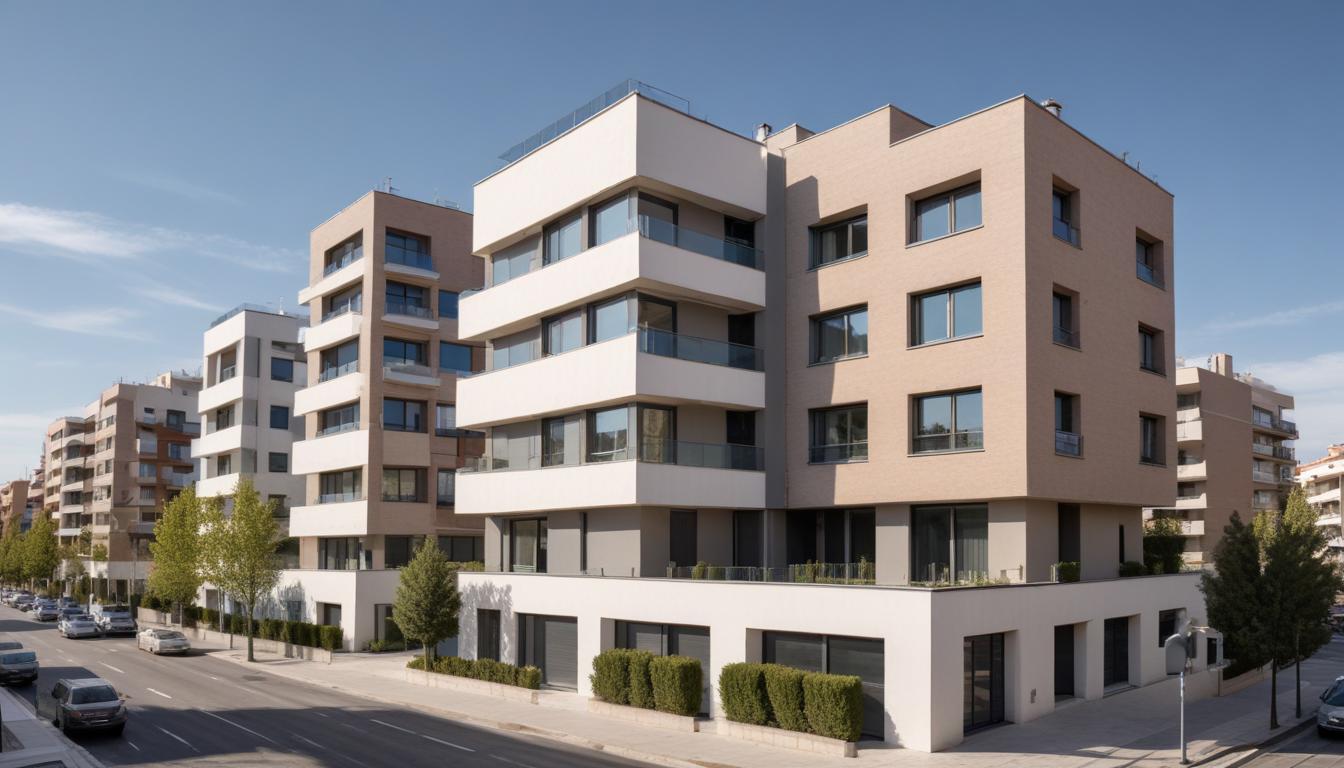
Madrid's luxury rental market has entered a period of profound tension. While premium properties in Salamanca and Chamberí command upwards of €8,000 monthly for three-bedroom apartments—nearly double the city average of €4,500 per square metre—landlords and tenants find themselves navigating an increasingly complex regulatory landscape that neither side anticipated.
The shift intensified after Spain's 2024 rental market reforms, which introduced mandatory long-term lease incentives and stricter eviction protocols. Property owners who invested in high-end renovation projects along Paseo de la Castellana and around Plaza de Salamanca now face longer vacancy periods when transitioning between tenants. Several premium buildings near the Retiro Park have reported 4-6 week gaps between occupants—uncommon in this segment three years ago.
"The regulations were designed to protect vulnerable renters," explains the perspective of residential property managers across the Salamanca district, "but they've created friction in the luxury segment too." Landlords report increased administrative costs, background-check expenses, and legal consultation fees that eating into margins. For internationally mobile professionals—the primary demographic for €7,000+ monthly rentals—this friction translates to reduced flexibility and negotiating power.
Conversely, tenants in Madrid's most desirable neighbourhoods face a paradox. While legal protections have strengthened, the rental squeeze means fewer properties available at any price point. Young executives seeking short-term leases in Chamberí or around the Prado Museum increasingly turn to serviced apartments and corporate housing platforms, bypassing traditional landlords entirely.
Growth markets like Vallecas and northern districts have captured investment attention, but Malasaña and Chueca present an intriguing middle ground. Once considered emerging neighbourhoods, these areas now command €2,800-€4,200 for comparable properties—offering landlords reasonable returns without the regulatory friction of premium zones. Property turnover here remains brisk.
Industry observers suggest Madrid's luxury rental market is bifurcating. Institutional investors and large portfolios are adapting through professional management companies and compliance infrastructure. Independent landlords, particularly those with single premium properties, are increasingly exiting the rental market entirely, converting to short-term tourist accommodation or selling to owner-occupiers.
The European Central Bank's gradual rate trajectory will likely influence capital availability for both sides. Meanwhile, Madrid's continued draw for international talent ensures demand persists—but at what cost to the market's traditional landlord-tenant equilibrium remains an open question.
This article was compiled by AI from the sources linked above and screened before publishing. See our editorial standards.