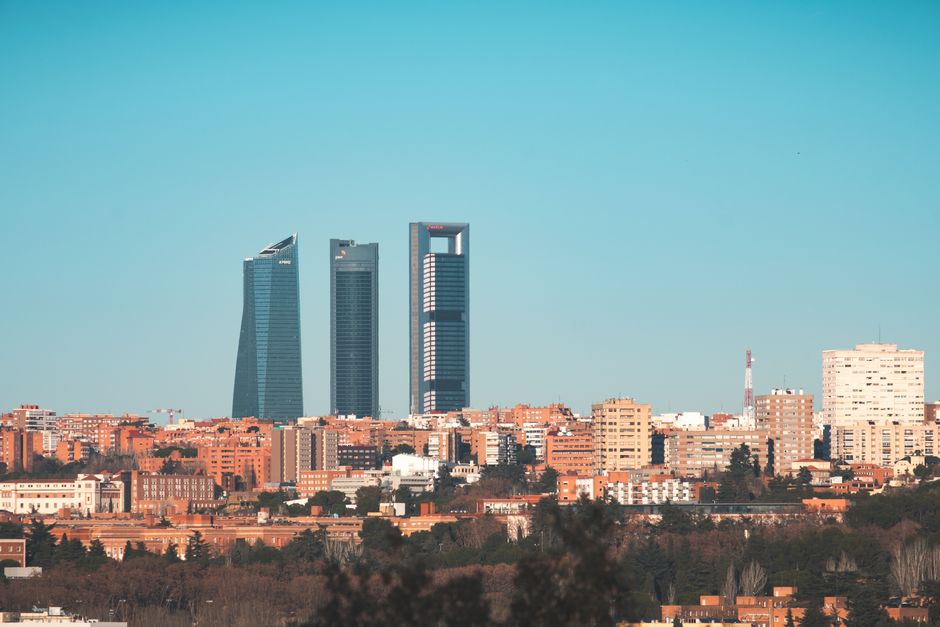
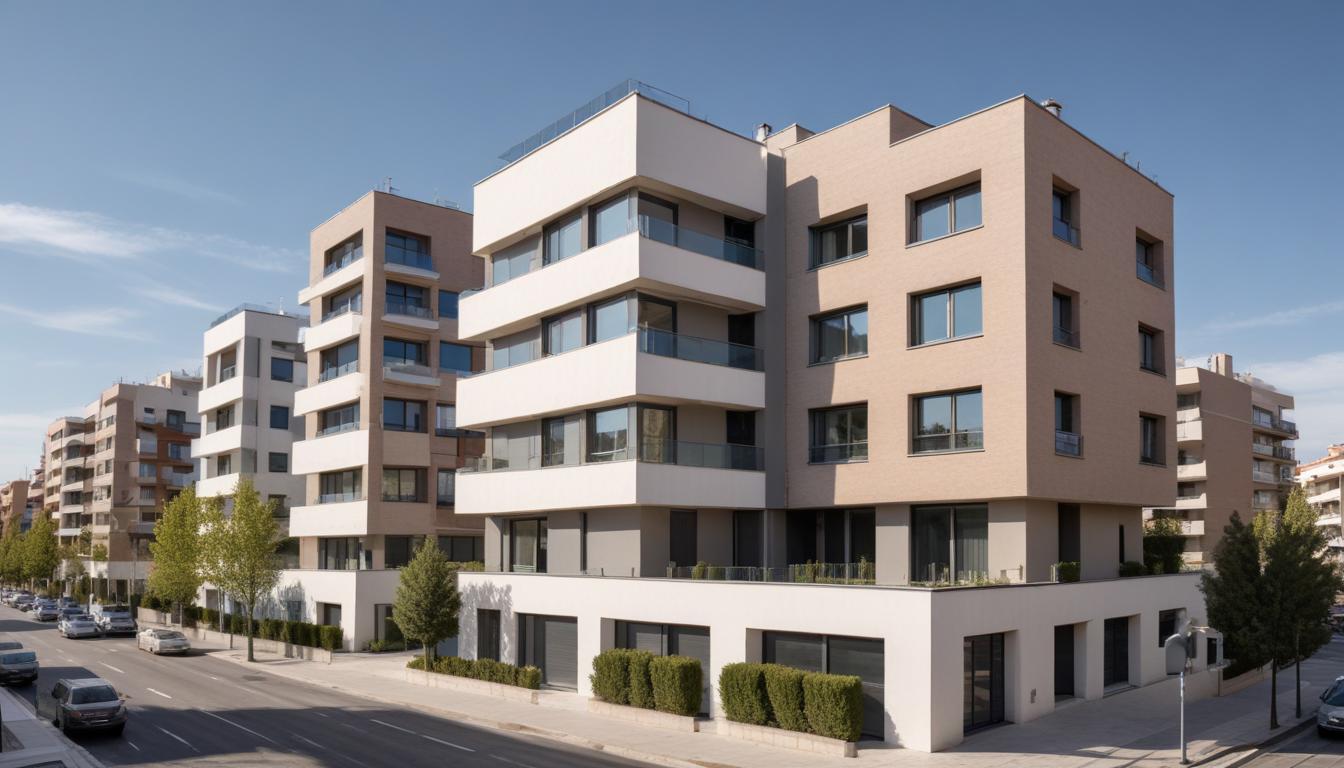
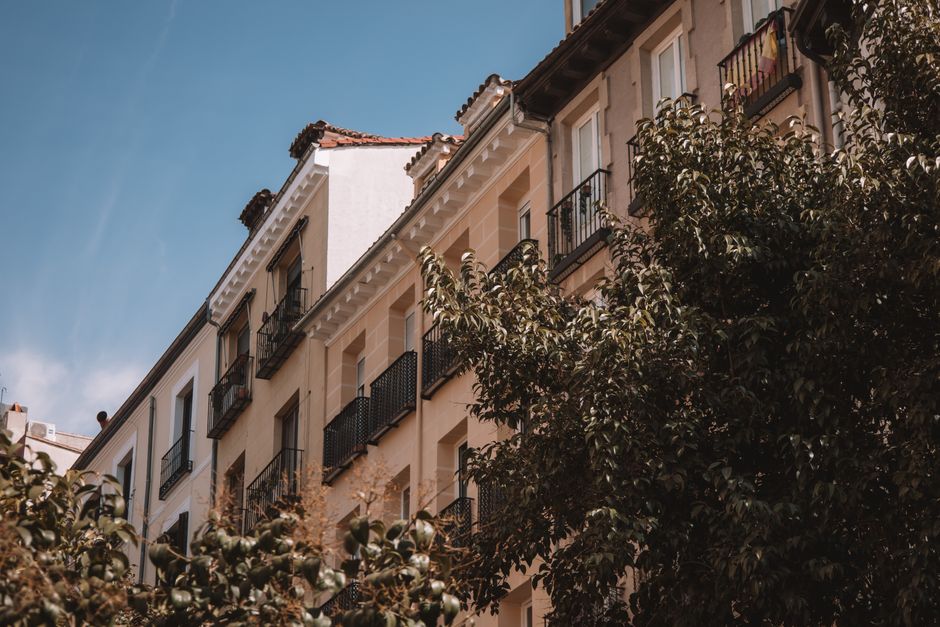
Madrid's property market is entering uncharted territory. Following the City Council's March approval of revised planning guidelines—a landmark shift after nearly a decade of restrictive zoning—developers are repositioning their pipelines with newfound urgency, and the implications for pricing, supply, and neighbourhood character are already visible on the ground.
The policy overhaul, formally titled the "Simplified Authorisation Protocol for Residential Modernisation," reduced approval timelines from 18-24 months to an average of 7-9 months for mid-rise residential conversions in mixed-use zones. This change particularly affects corridors like Paseo de la Castellana, Gran Vía extensions, and the evolving Chamberí-Malasaña interface, where planners had previously bottlenecked approvals to preserve neighbourhood density limits.
Early data tells a compelling story. The municipal planning authority registered 247 new residential applications in April and May combined—a 68% spike compared to the same period last year. Vallecas, long positioned as Madrid's growth frontier, saw approvals surge for mid-density projects under EUR 5,000 per square metre, while Salamanca remains locked in premium territory at EUR 7,200-8,900/sqm, relatively insulated from new-supply dynamics.
Yet the market is bifurcating in unexpected ways. Developers rushing to meet the new timelines have shifted focus toward renovation-led densification rather than ground-up construction, reducing regulatory friction. This has accidentally benefited secondary neighbourhoods: Arganzuela and parts of San Blas, previously overlooked, now attract institutional investors eyeing sub-EUR 4,200/sqm entry points with accelerated build-out paths.
The Malasaña effect—where tight scarcity once justified EUR 6,500+/sqm asking prices—is beginning to soften as three major residential permits cleared in late May along Calle Espíritu Santo and Tribunal district. Local agents report 8-12% year-on-year valuation moderation in these pockets, though international buyer appetite (particularly from tech workers and Southern European capitals) continues underpinning demand.
Not everyone celebrates. Neighbourhood associations have filed 14 formal objections to the protocol, citing concerns about parking strain, street-level amenity crowding, and cultural displacement. The Chueca heritage committee specifically contested three high-rise conversions, arguing the expedited approvals bypassed community consultation benchmarks that historically shaped the quarter's character.
Madrid's planning department now faces a critical balancing act: delivering supply to cool inflation while preserving the heterogeneous identity that attracted residents and investors alike. The next 18 months will determine whether this policy recalibration achieves equilibrium or triggers the kind of rapid gentrification that has remapped other European capitals.
This article was compiled by AI from the sources linked above and screened before publishing. See our editorial standards.