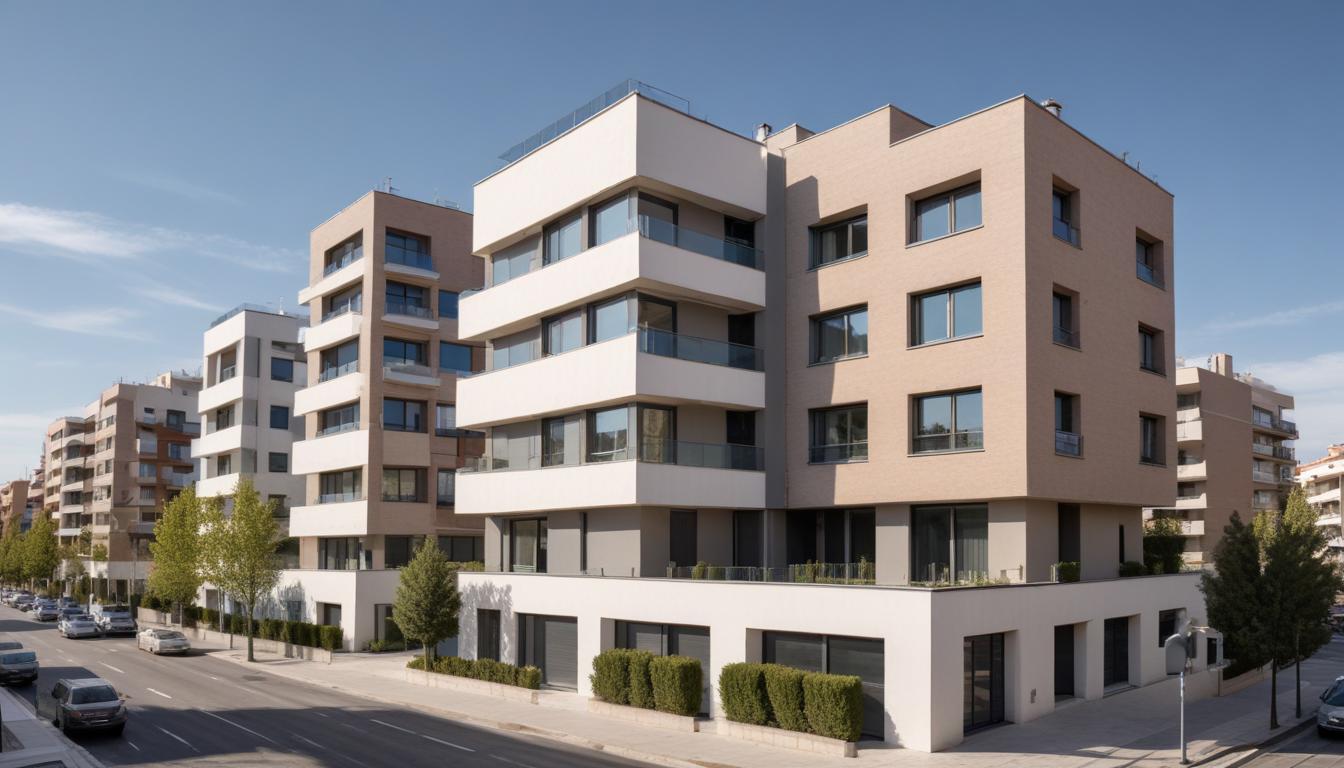
Madrid's property development landscape is undergoing its most significant regulatory recalibration in a decade, with planning reforms now filtering through to site acquisition and construction timelines across the city's most sought-after corridors.
The Ayuntamiento's revised planning framework, which came into effect earlier this year, has introduced expedited approval pathways for mixed-use developments and relaxed height restrictions in designated growth zones. The impact is already visible: Vallecas, long positioned as Madrid's emerging residential frontier, has seen developer activity surge by 38% in the first half of 2026, according to industry monitors. Projects along the Avenida de Oviedo corridor—historically constrained by outdated zoning—are now advancing through permitting stages at roughly half their previous timescale.
The policy shift carries particular weight in Chamberi and Salamanca, where premium residential development has historically faced density caps. New incentives for sustainable construction and ground-floor commercial integration have unlocked several long-stalled projects near the Paseo de la Castellana. Current asking prices in these neighbourhoods hover around EUR 6,200–7,100 per square metre, but developers argue expedited approvals could moderate future price escalation by increasing supply.
Not everyone welcomes the acceleration. Resident associations in Malasana and Chueca have pushed back against proposals to raise building caps in their districts, citing preservation concerns and infrastructure strain. The Federación de Asociaciones de Vecinos has formally requested impact assessments before further amendments take effect.
The regulatory shift also reflects broader market pragmatism. With Madrid's average property price now solidly above EUR 4,500 per square metre and international investor appetite remaining strong, the council appears intent on channeling demand toward new supply rather than inflating existing stock. Several major European funds have already submitted preliminary applications for medium-density residential parcels in Vallecas under the new framework.
Critically, the reforms introduce mandatory affordable-unit percentages in schemes above a certain size—typically 15–20% depending on location. This provision has become a negotiating focal point between developers and the Ayuntamiento, with some projects experiencing extended review cycles as stakeholders debate viability thresholds.
For buyers and investors, the implications are dual-edged. Vallecas and peripheral zones should see material new inventory within 18–24 months, potentially tempering price growth. Conversely, premium central neighbourhoods may experience continued scarcity, sustaining upward pressure. The true test will arrive in 2027, when the pipeline's cumulative impact becomes measurable across transaction volumes and price momentum.
This article was compiled by AI from the sources linked above and screened before publishing. See our editorial standards.