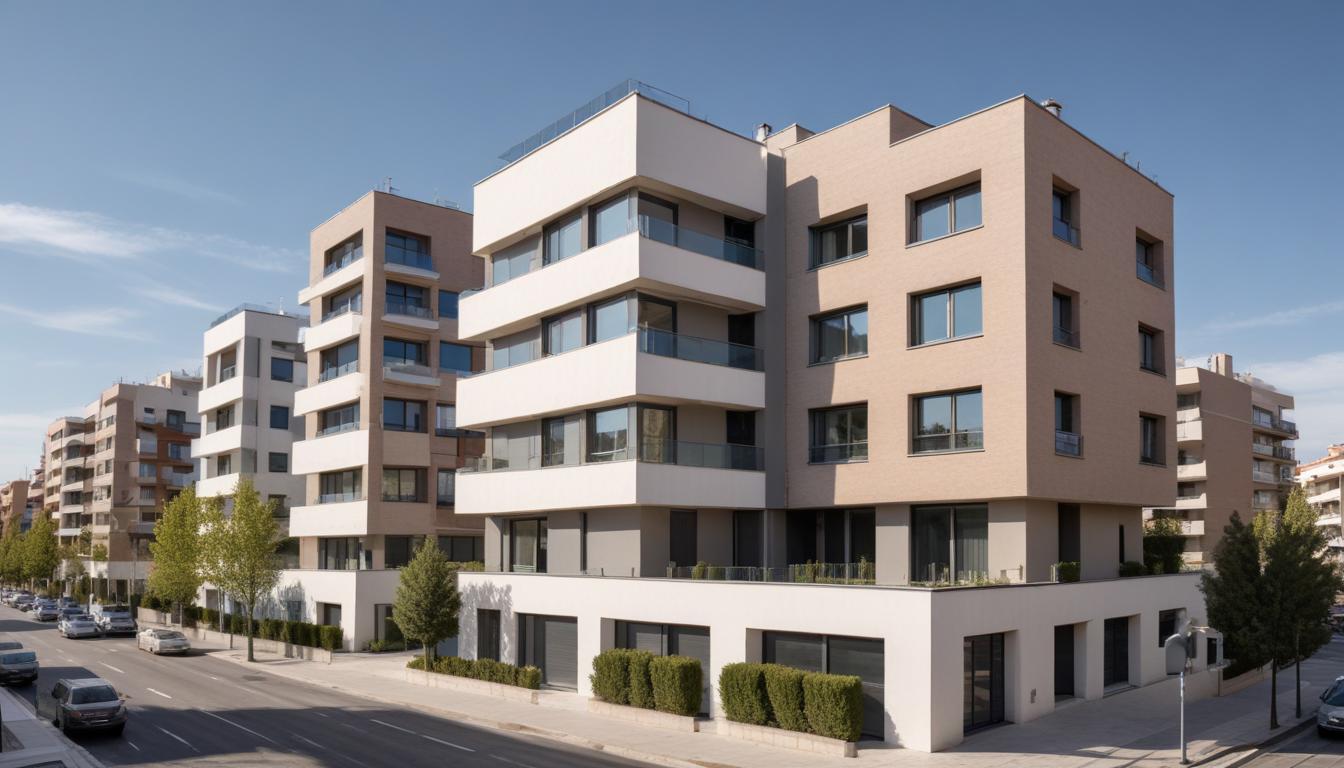
Madrid's property market is experiencing a decisive shift as the city council's revised urban planning framework takes hold, fundamentally reshaping where investment flows and how quickly prices adjust. The changes, implemented across the first half of 2026, have introduced stricter density caps in premium neighbourhoods while fast-tracking developments in peripheral zones—a policy pivot that analysts say will reshape affordability patterns for years to come.
The most immediate impact has been felt in Salamanca and Chamberi, where new restrictions limit residential floor-area ratios on blocks surrounding Paseo de la Castellana and Calle Serrano. Properties in these traditionally coveted areas, averaging €4,500 per square metre across Madrid, now face reduced development potential. This constraint has paradoxically stabilised prices rather than lowering them—scarcity premium, not abundance, is driving value. A three-bedroom apartment on Calle Jorge Juan that might have fetched €950,000 eighteen months ago now commands €1.05 million, estate agents report, precisely because future supply is now legislatively capped.
By contrast, Vallecas and the southern expansion zones around Rivas-Vaciamadrid have seen approvals accelerate under the council's sustainability mandate to distribute growth beyond central neighbourhoods. Planning decisions that once took fourteen months now clear in six. New residential projects in these areas have begun construction, and completed units are trading at €2,800–€3,200 per square metre—a notable discount to central Madrid, yet climbing as transport links improve and completion dates near. First-time buyers and young families are relocating eastward, reshaping demographic patterns.
The policy reflects a broader tension: Madrid's acute housing shortage, with vacancy rates stubbornly below 2 per cent, sits alongside pressure to preserve character in historic districts and manage sprawl. By tightening central supply while accelerating peripheral development, planners have effectively created two markets operating on different cycles and pricing logics.
For affordability, the effects are mixed. Central Madrid remains inaccessible to wage earners below the €50,000 threshold; median purchase prices in Salamanca have not fallen. Yet the deliberate migration of supply southward is beginning to ease pressure in emerging neighbourhoods, where rental yields and purchase prices show the first signs of stabilising after years of double-digit annual gains. Real estate professionals note that investors increasingly view Vallecas development bonds as the new risk-reward sweet spot—higher yields than mature zones, lower volatility than speculative markets.
Whether these policy decisions achieve their stated goal of broadening access remains uncertain. What is clear is that regulation, not market forces alone, now determines Madrid's housing geography.
This article was compiled by AI from the sources linked above and screened before publishing. See our editorial standards.