Madrid's luxury property market is experiencing a pronounced divergence from broader city trends. While the metropolitan average hovers around €4,500 per square metre, prestige neighbourhoods are telling a strikingly different story—one driven by a confluence of geopolitical, fiscal, and lifestyle factors that are reshaping where and how Madrid's wealthiest choose to invest.
In Salamanca and Chamberí, where tree-lined avenues like Paseo de la Castellana and Calle Serrano anchor the city's most coveted addresses, per-square-metre pricing has climbed to €8,000–€12,000 in recent months. Properties with period details, private gardens, and proximity to cultural institutions—the Prado, Reina Sofía, the Real Academia Española—command even sharper premiums. Discrete penthouses overlooking Plaza Mayor or the Retiro Park are now trading above €1.5 million with minimal days on market.
Several dynamics are fuelling this acceleration. First, international capital inflows remain robust. Non-resident European buyers, particularly from France and the UK, view Madrid as a stable, culturally rich alternative to London or Paris—without comparable transaction taxes. Simultaneously, Spain's relatively favourable non-resident income tax regime (certain categories) continues to attract wealth migration from Nordic and Central European markets.
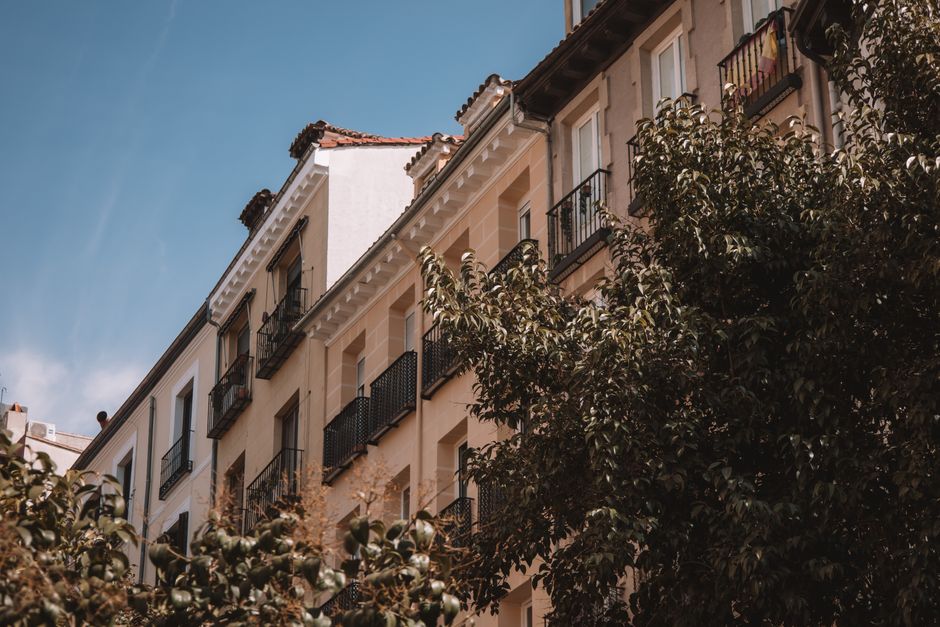
Second, scarcity is sharpening competition. Truly exceptional properties—renovated 19th-century palaceotes with intact mouldings and high ceilings, or modern penthouses with terrace space—rarely linger. Estate agents report viewing queues for listed homes in prime Salamanca locations.
Third, the post-pandemic lifestyle shift has reinforced demand for space, light, and green access. Properties within walking distance of the Retiro or with terraces overlooking the city have seen demand intensify, even as more modest urban flats elsewhere face pressure.
What should today's high-net-worth buyer know? Patience is increasingly costly—premium stock moves fast, and off-market deals are common. Professional advisers familiar with both Spanish fiscal incentives and international treaty nuances are essential; the cost of mis-structuring a purchase can outweigh brokerage fees. Equally, emerging neighbourhoods like Malasaña and Chueca, while less stratified, are attracting younger wealth and creative professionals; long-term appreciation may differ sharply from established blue-chip postcodes.
Finally, regulatory headwinds—potential wealth taxes and rental controls—may influence buy-versus-rent calculus. Consulting with tax specialists before committing capital remains prudent, particularly for foreign purchasers.
Madrid's luxury market reflects broader European wealth patterns: demand for security, cultural amenity, and tax efficiency. For those who understand its mechanics, opportunity remains abundant. For those who don't, the cost of entry has never been steeper.
This article was compiled by AI from the sources linked above and screened before publishing. See our editorial standards.