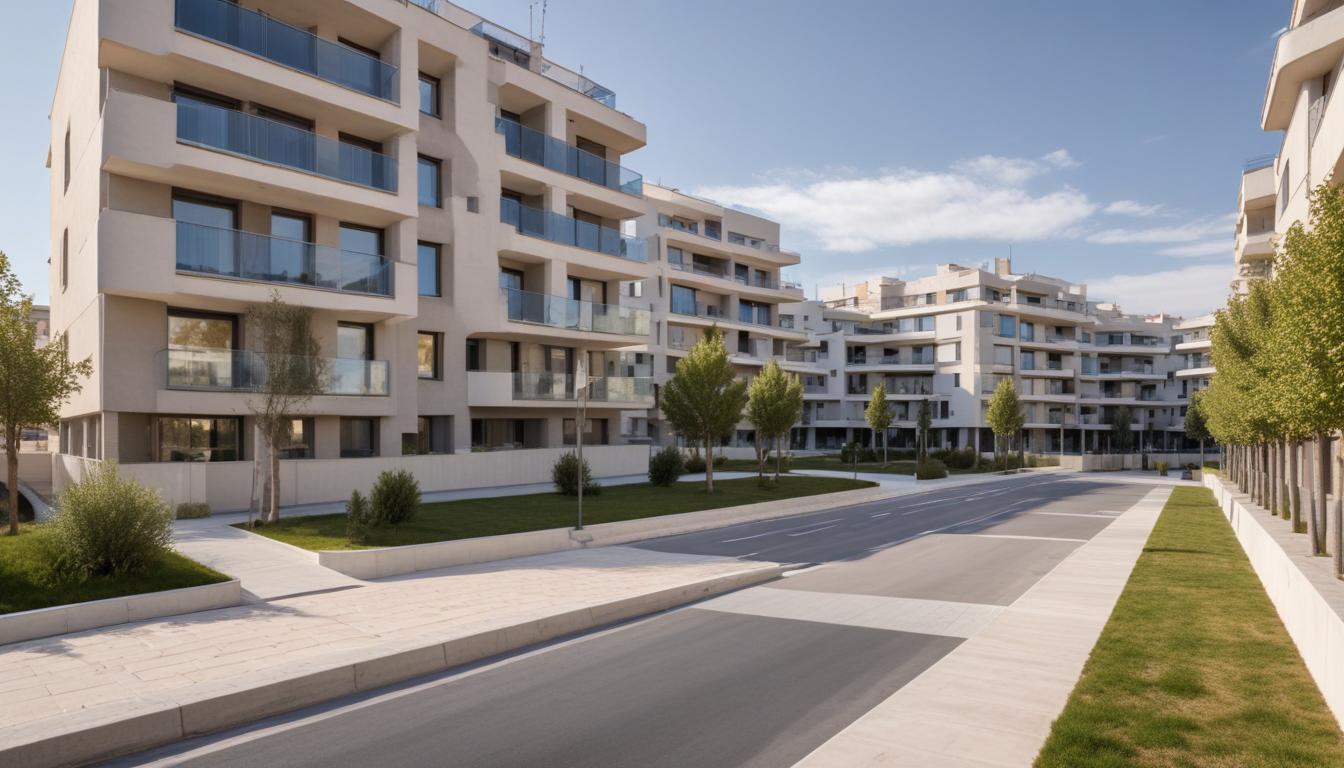
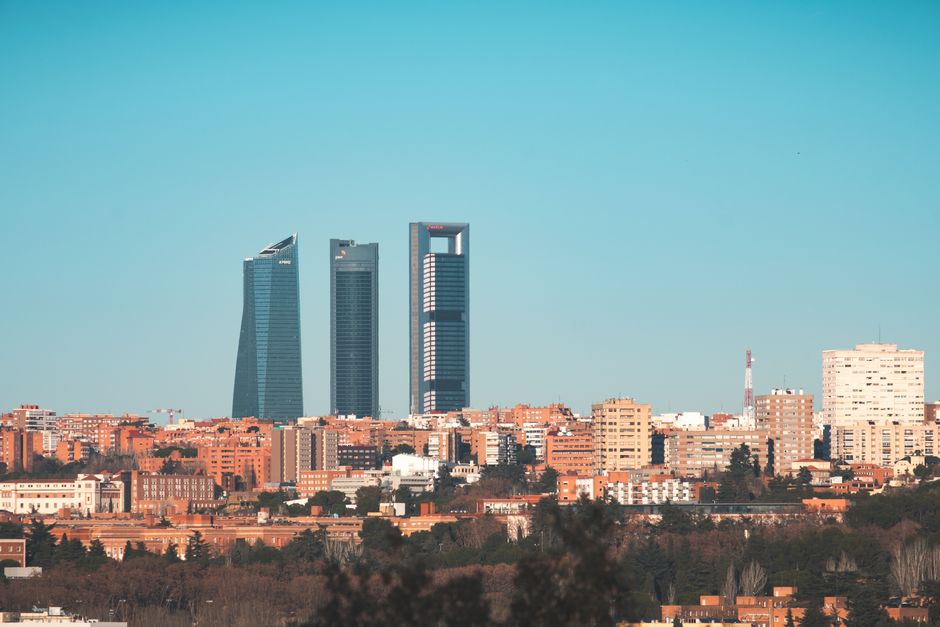
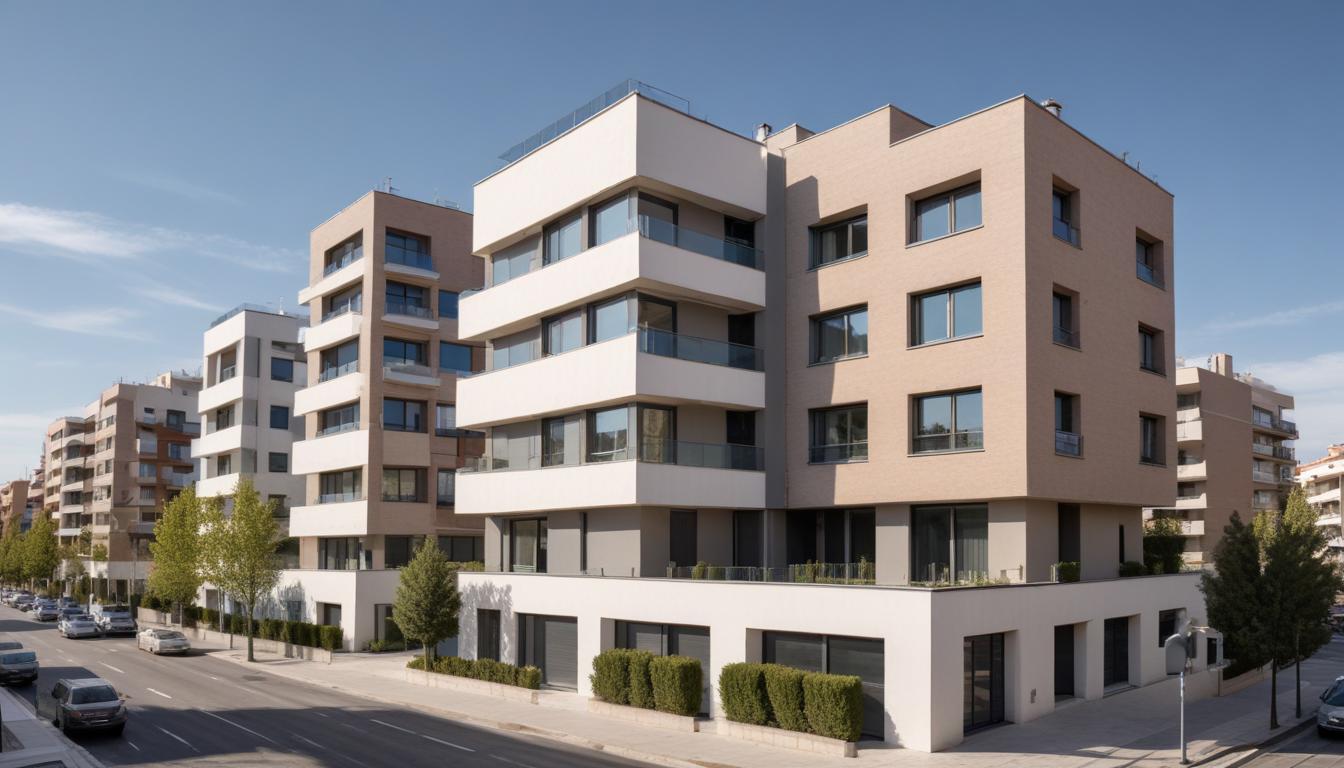
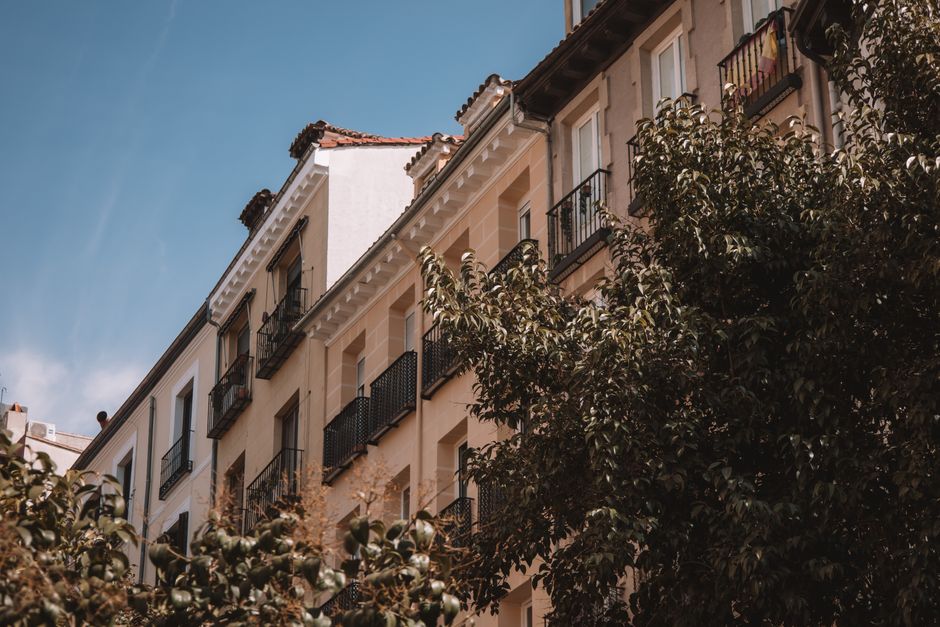
For decades, Vallecas has worn its working-class identity like a badge of honour. The neighbourhood south of the Manzanares, long overshadowed by Salamanca's penthouses and Malasaña's hipster credentials, is finally catching the attention of Madrid's property market—but not in the way traditional investors expected. Instead, it is social housing operators, mixed-tenure developers and municipally backed initiatives that are reshaping Vallecas into an affordable housing hotspot.
The numbers tell a compelling story. While central Madrid hovers around €4,500 per square metre, Vallecas still trades at approximately €2,800–€3,200 per sqm, depending on proximity to Metro Line 6 and the renovated riverfront. That 35% discount has not gone unnoticed. Over the past eighteen months, new social housing projects have broken ground on Avenida de la Albufera and around the Parque de las Cruces, with mixed-income developments transforming formerly industrial blocks.
The Ayuntamiento's 'Vallecas 2030' strategy, launched in 2024, has accelerated this shift. The plan commits €180 million to infrastructure upgrades, green spaces and, crucially, designates 40% of new residential development for social and affordable housing. The recent completion of the Puente de Vallecas metro station improvements and ongoing work at the Mercado de Vallecas cultural hub have added momentum.
What makes Vallecas genuinely different from satellite suburbs is its existing infrastructure. The neighbourhood already boasts established schools, healthcare facilities, and the iconic Centro Cultural Conde Duque satellite campus. The Parque Lineal del Manzanares project has connected residents to Madrid Río, improving quality of life without erasing local character. Streets like Calle de Francisca Delgado and around the Plaza de Arriba remain authentically residential.
Private developers are responding cautiously. Several have launched schemes offering 60–70% market-rate units alongside social housing quotas, betting that Vallecas's trajectory mirrors earlier gentrification patterns in Lavapiés and Malasaña. However, local residents and advocacy groups emphasise the critical difference: Vallecas must avoid pricing out existing communities. The neighbourhood's strong civic associations and neighbourhood councils have secured commitments from major projects to prioritise local employment and family relocation support.
For investors and residents alike, Vallecas represents a genuine departure from Madrid's property consensus. It is neither a luxury play nor a speculative punt. Instead, it is a neighbourhood where affordability, investment potential and community stability can, theoretically, coexist. Whether that balance holds will define Madrid's housing future.
This article was compiled by AI from the sources linked above and screened before publishing. See our editorial standards.