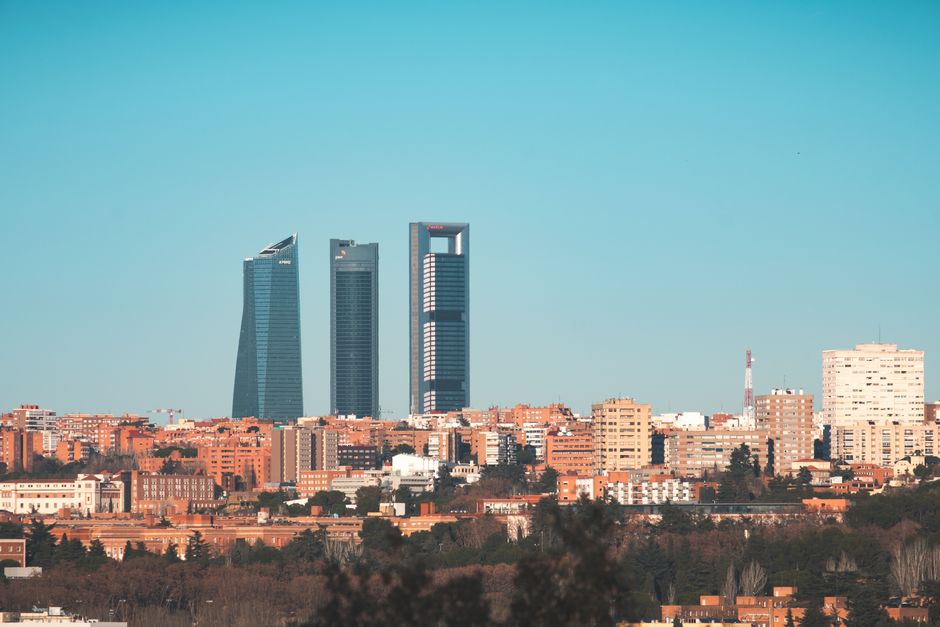
Madrid's luxury property market is undergoing its most significant transformation in a decade. While the city's average square metre price hovers around €4,500, a cluster of high-end residential projects is pushing the boundaries of prestige development and fundamentally altering neighbourhood hierarchies across the capital.
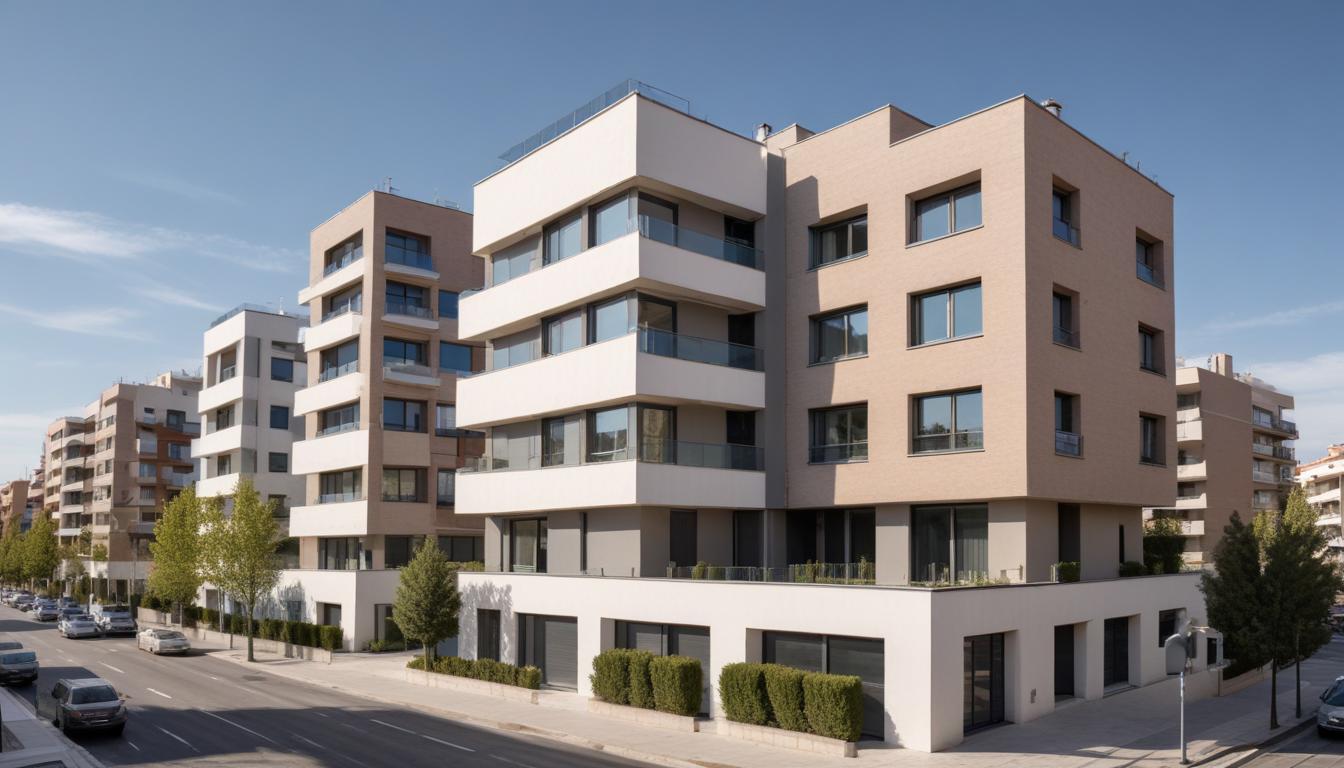
The most visible shift is concentrated in Madrid's traditional power zones. Salamanca, long the undisputed flagship for wealthy buyers, is experiencing renewed intensity as developers target final parcels along the Paseo de la Castellana corridor and side streets near the Museo Lázaro Galdiano. These aren't modest updates—contemporary luxury towers with amenities ranging from private spas to curated art collections are commanding prices exceeding €15,000 per square metre, nearly triple the city average.
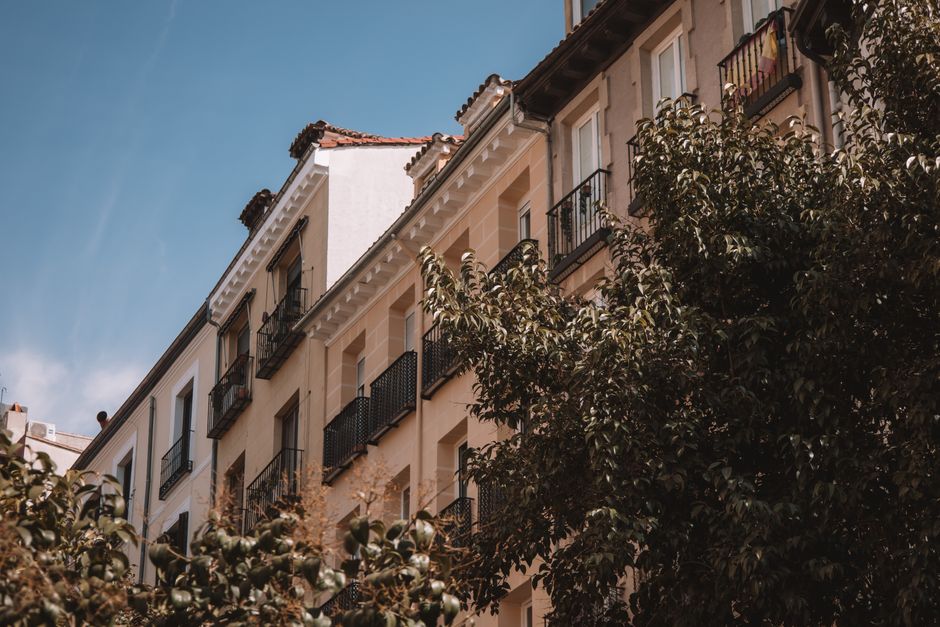
But the story extends beyond heritage strongholds. Chamberi, historically positioned as Salamanca's refined neighbour, is emerging as the city's new prestige frontier. Development activity around Plaza de Olavide and along Calle Génova suggests developers recognise an underexploited opportunity: mature European buyers seeking walkable, cultured neighbourhoods with proximity to galleries, independent restaurants and established social networks. These projects emphasise heritage sensitivity—conversion of belle-époque palaces rather than demolition-led development—which appeals to international clients prioritising authenticity alongside modernity.
The strategic implications matter as much as the architecture. These new projects aren't simply adding luxury supply; they're reordering Madrid's residential geography. Malasana and Chueca, popular with younger affluent buyers and creative professionals, continue attracting attention, but the prestige market's focus on Chamberi signals a demographic recalibration. Empty-nester executives and established international families increasingly favour these neighbourhoods over newer developments in peripheral areas.
Vallecas represents a distinct phenomenon. Once dismissed by premium buyers, this historically working-class district now hosts carefully curated mixed-use projects targeting a new demographic: socially conscious wealth. Developers here emphasise neighbourhood regeneration and cultural anchor tenants rather than pure luxury positioning, creating an entirely different market category.
What unites these projects is sophistication of buyer targeting. Gone are days when prestige meant simply building tall or adding gold fixtures. Today's Madrid luxury market demands curatorial vision—art partnerships, neighbourhood integration, sustainability credentials and lifestyle ecosystem rather than isolated properties.
These developments suggest Madrid's ultra-premium segment is maturing. With international buyer interest remaining strong and local wealth concentration steady, the question isn't whether luxury will grow, but which neighbourhoods will capture it. The answer, increasingly, transcends traditional postcodes.
This article was compiled by AI from the sources linked above and screened before publishing. See our editorial standards.