Madrid's Rental Squeeze: How Market Conditions Are Reshaping the Deal Between Tenants and Landlords
As yields tighten and regulation increases, both sides of Madrid's rental market face hard choices—and fewer compromises.
As yields tighten and regulation increases, both sides of Madrid's rental market face hard choices—and fewer compromises.
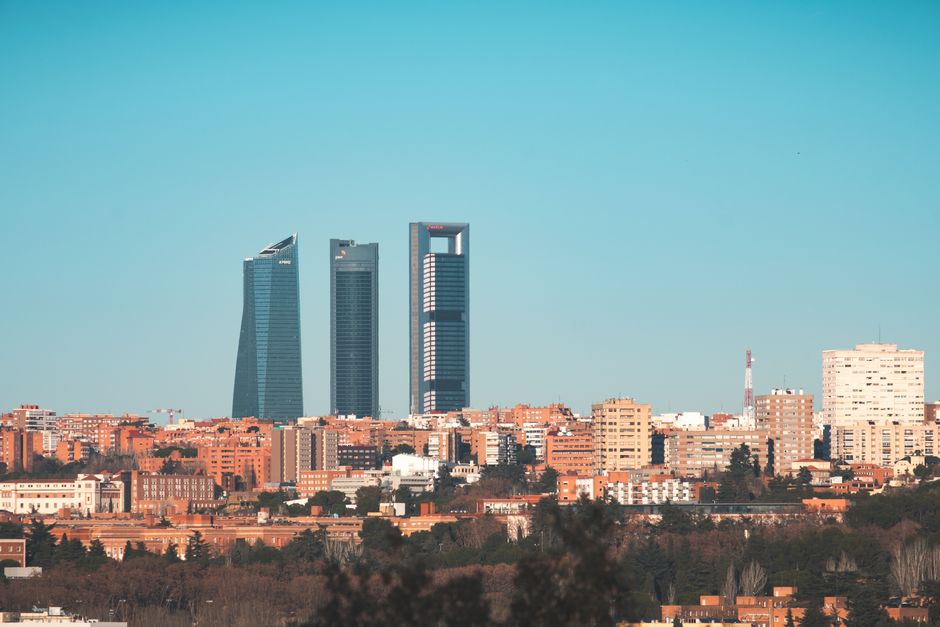
Madrid's rental market has entered a delicate standoff. Landlords holding property along Paseo de la Castellana or in the gentrified corridors of Malasaña face narrowing margins, while tenants competing for apartments near Sol or the Universidad Complutense navigate rising rents that increasingly consume 40% of household income.
The numbers tell a sobering story. With average Madrid property prices sitting at €4,500 per square metre, rental yields—once the salvation of cautious investors—now hover between 3.5% and 4.2% across central neighbourhoods. Premium zones like Salamanca and Chamberi see even tighter returns, leaving landlords dependent on capital appreciation rather than monthly cash flow. For property owners who bought at peak prices between 2021 and 2023, the equation has shifted dramatically.
"The rental market is no longer a passive income play," says the perspective of property professionals across the city. Landlords must now decide: hold for long-term appreciation, accept lower yields, or exit. Many are choosing the latter, particularly smaller operators managing single units in areas like Vallecas, where younger professionals and migrant families increasingly seek affordable housing. This supply constraint has paradoxically strengthened tenant anxiety. A studio in Chueca that once rented for €650 now commands €850, pushing residents further into outer neighbourhoods.
Regulatory pressure compounds landlord concerns. Spain's ongoing debate around rent controls and tenant protections has created uncertainty about long-term viability. Property associations report growing interest in short-term tourist rentals—technically restricted in Madrid's city centre but still tempting—as frustrated owners seek alternative revenue models.
Yet the squeeze cuts both ways. Tenants face longer lease terms, larger deposits, and increasingly stringent income requirements (typically 2.5 times the monthly rent). Young families in neighbourhoods like Arganzuela and San Blas find themselves caught between stagnant wages and accelerating rents, delaying major life decisions. Student populations around the Avenida Complutense report sharing flats designed for two with four occupants.
The intelligent landlord today resembles a property manager more than a passive investor. Those maintaining competitive rents, responsive maintenance standards, and flexible lease arrangements report better tenant retention and lower vacancy periods. In Vallecas particularly, where growth is attracting young professionals seeking value, landlords offering reasonable terms enjoy strong demand.
Madrid's rental market reflects a city in transition: old wealth defending premium neighbourhoods, new investors recalibrating expectations, and tenants adapting to tighter conditions. The winners aren't those chasing maximum yields—they're those playing the longer game.
This article was compiled by AI from the sources linked above and screened before publishing. See our editorial standards.
How does this story make you feel?
Spread the word
About this article
Published by The Daily Madrid
Daily brief
Free, in your inbox before 7am. Weekdays.
More in Property