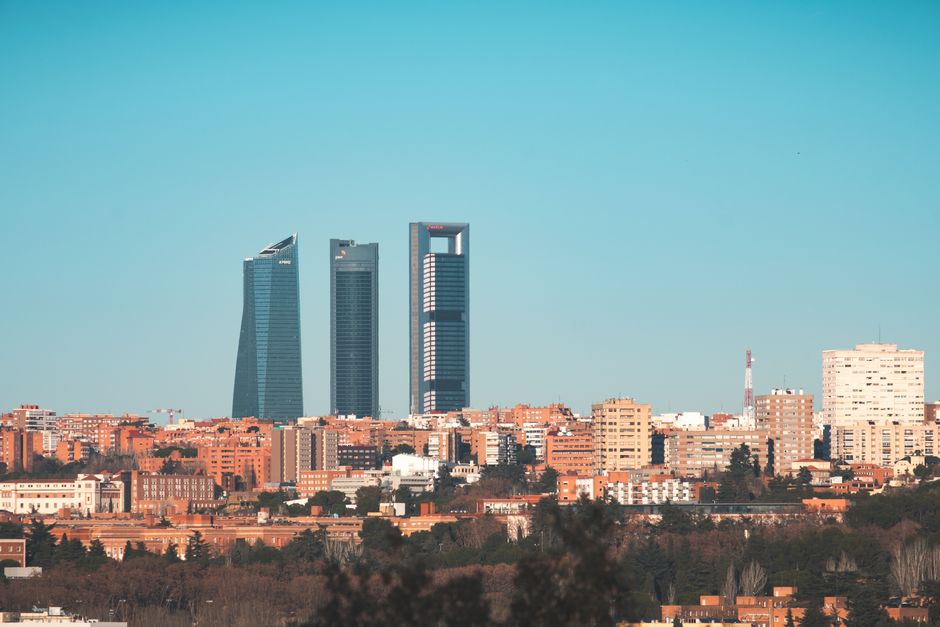
Madrid's rental market has entered a new phase of tension. Vacancy rates have compressed to near-record lows, hovering around 2.8% across the metropolitan area, fundamentally altering the relationship between landlords and tenants across Salamanca's elegant boulevards, Malasaña's bohemian quarters, and the increasingly sought-after streets of Vallecas.
The mathematics are brutal for renters. In premium neighbourhoods like Chamberi and Salamanca, landlords can now demand top-tier rates—averaging €1,200 to €1,500 monthly for a two-bedroom apartment—while maintaining waiting lists. In contrast, tenants face bidding wars for properties before viewings are advertised, often accepting unfavourable terms simply to secure a lease. The shift represents a complete reversal from pandemic-era conditions, when Madrid saw vacancy spikes above 6%.
"Scarcity breeds leverage," explains the rental dynamic reshaping streets from Plaza Mayor to the leafy expanses near Retiro Park. Landlords have reduced incentives to negotiate lease lengths, offer furnished flexibility, or accept tenants with complex employment histories. Meanwhile, renters—particularly young professionals and international workers drawn to Madrid's growing tech sector—are reporting increased deposit demands, stricter guarantor requirements, and mandatory furniture packages that inflate effective monthly costs.
The growth corridors tell a different story. Vallecas, traditionally Madrid's most affordable district, has seen rental demand surge as young families seek value. Despite averaging €650–€850 monthly for comparable space, vacancy here remains tight at 3.2%, yet prices remain manageable relative to Malasaña and Chueca, where central-neighbourhood appeal continues pushing rates toward €1,100 for modest one-bedroom units.
Organisations like Madrid's tenant union have noted a spike in disputes over deposit retention and sudden rent increases as leases renew. Landlords, buoyed by robust international buyer interest and limited new rental stock entering the market, are testing the boundaries of lease terms. Several property management firms have quietly adopted strategies to cycle tenants annually—maximising rate adjustments within legal frameworks.
For investors, the environment remains favourable. With purchase prices averaging €4,500 per square metre across Madrid, rental yields have compressed but remain attractive relative to broader European capitals. New construction remains supply-constrained, particularly in mid-market segments serving the €800–€1,000 monthly rental bracket.
The tension is unsustainable long-term. Housing affordability pressures are mounting, and regulatory discussions about rent caps and tenant protections are gaining traction in municipal discussions. Madrid's rental market, once a relative bright spot for equilibrium, is now locked in a zero-sum game—one that increasingly favours those with capital, disadvantages those seeking stability, and raises questions about the city's livability for its working population.
This article was compiled by AI from the sources linked above and screened before publishing. See our editorial standards.