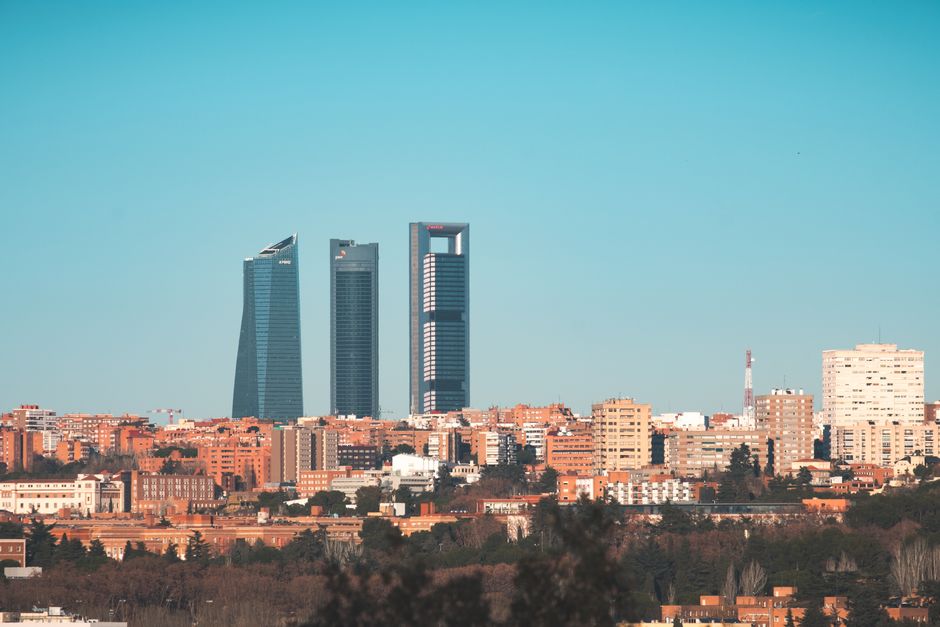
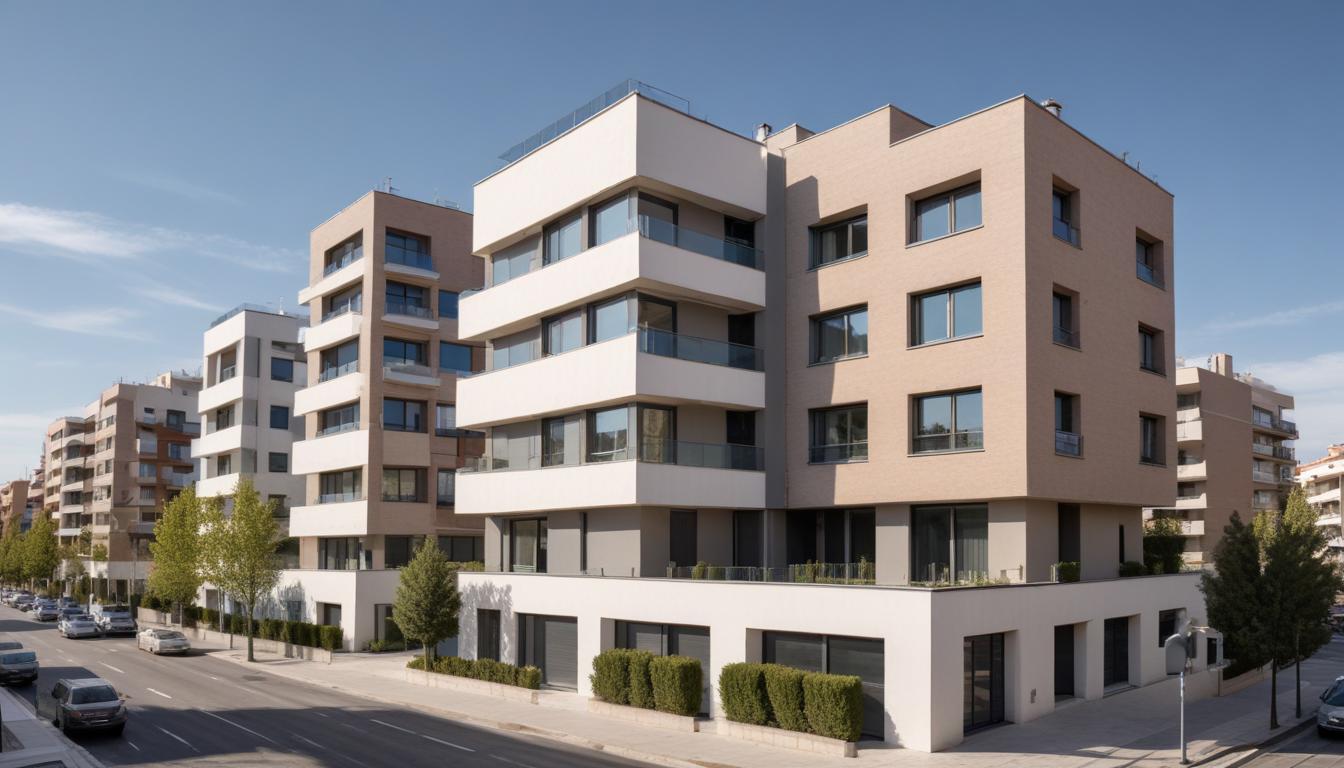
Madrid's property development landscape is undergoing a significant shift following the municipal government's overhaul of planning approval processes earlier this year. The new expedited permitting framework has already accelerated construction timelines by an estimated 40%, with implications for everything from housing supply to neighbourhood preservation across the city's most dynamic districts.
The reforms, implemented in January 2026, reduced the standard review period for mid-sized residential projects from 18 months to just nine, effectively unlocking a pipeline of developments that had stalled under previous bureaucratic constraints. In Vallecas, where average property values hover around €3,200 per square metre—substantially below the city-wide €4,500 average—developers have submitted 23 new project applications in the past six months alone, compared to just 8 in the equivalent period last year.
"We're witnessing a fundamental rebalancing," explains the Madrid Association of Builders, which had lobbied aggressively for streamlining. The group notes that housing production must accelerate if Madrid hopes to address chronic supply shortages that have pushed Salamanca and Chamberí districts toward €7,000 per square metre for premium stock.
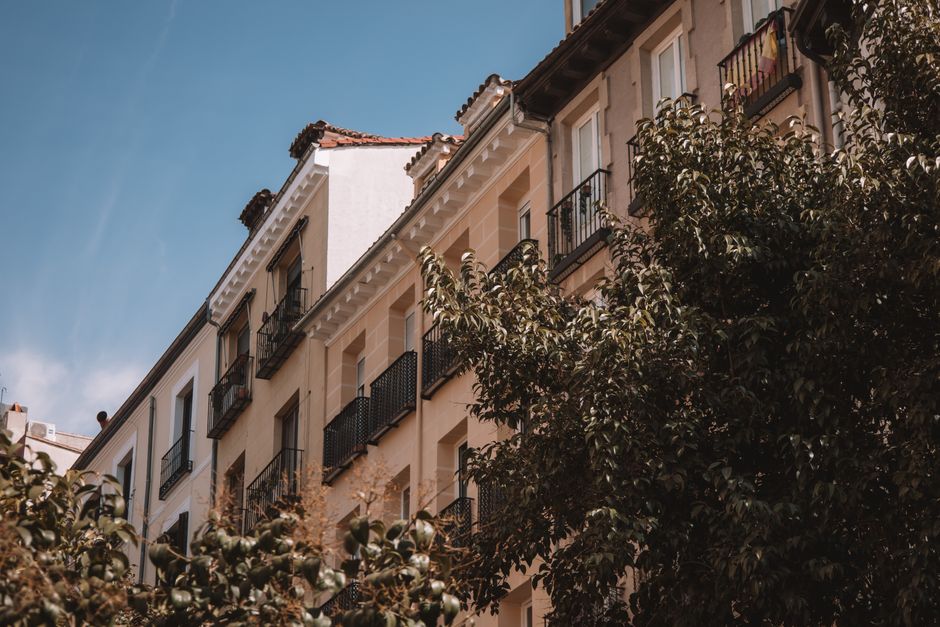
Yet the changes are triggering pushback in historically protected neighbourhoods. Malasaña and Chueca residents have expressed concern about renovation projects that now require less community consultation. The renovation of aging stock along Calle de San Vicente Ferrer—a key cultural corridor—recently gained approval under the new framework, despite previous community objections to density increases.
The policy shift reflects Madrid's broader strategic pivot: prioritising housing volume and economic growth over the incremental, consensus-driven development that characterised the 2010s. City planners argue this acceleration is essential, noting that Madrid's population has grown 12% since 2015 while residential construction fell 23% in the same period.
However, environmental advocates and local heritage organisations have flagged concerns about green space preservation and infrastructure strain. Several projects approved under the new rules require retroactive adjustments to parking provision and public transit connections—adding unexpected costs to both developers and municipal budgets.
Real estate investors have responded enthusiastically. International buyers, already representing roughly 18% of Madrid's prime property transactions, are increasingly targeting emerging developments in Usera and Puente de Vallecas, betting that infrastructure improvements will follow approval surges.
As Madrid navigates this inflection point, the tension between accelerated growth and sustainable urbanism will likely dominate property policy conversations through 2027. The coming months will reveal whether faster approvals truly expand housing access or simply concentrate profit opportunities among established developers.
This article was compiled by AI from the sources linked above and screened before publishing. See our editorial standards.