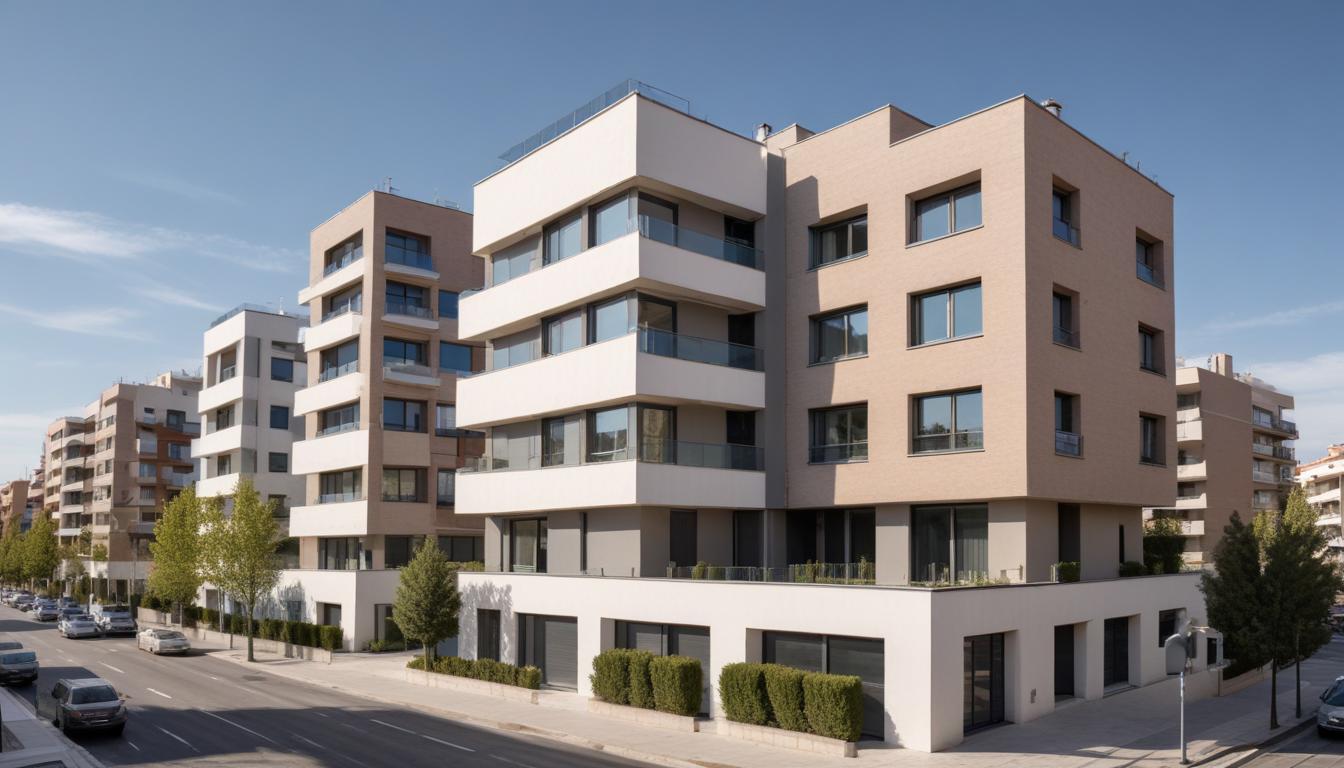
Madrid's rental yield landscape has shifted dramatically over the past eighteen months. While the city's average property price hovers around €4,500 per square metre, the percentage returns investors can extract have become increasingly thin—a reality shaping where smart money is now deploying capital.
In Salamanca and Chamberí, where trophy apartments command €8,000–€12,000 per square metre, gross yields have fallen to 2.5–3.2 per cent. A €1.2 million apartment near Retiro generates perhaps €3,600 monthly in rent—respectable in absolute terms, but underwhelming on percentage basis. Premium location and capital preservation matter here, not yield chasing. These neighbourhoods remain magnets for international buyers prioritising stability and prestige over raw returns.
The calculus shifts dramatically in emerging zones. Vallecas, long dismissed as peripheral, now offers 4.5–5.2 per cent gross yields on properties trading at €2,800–€3,400 per square metre. A €450,000 apartment might rent for €1,950 monthly—far healthier percentage returns than comparable Salamanca stock. Young professionals and families increasingly populate the neighbourhood, supported by improved metro connectivity and fresh café culture around Plaza de Vallecas.
Malasaña and Chueca occupy middle ground. Yields cluster around 3.8–4.3 per cent, with prices averaging €5,500–€6,500 per square metre. These neighbourhoods' established appeal to renters—proximity to Mercado de San Miguel, nightlife, independent retailers—provides stability that pure yield plays like Vallecas cannot yet match. Long-term landlords here trade raw percentage returns for tenant quality and consistent occupancy.
The numbers reveal a compression driven by three forces: limited housing stock, regulatory constraints on short-term rentals, and sustained international demand. Madrid's rental market has tightened enough that property appreciation increasingly outpaces rental income—a classic late-cycle dynamic.
Successful Madrid investors now employ segmented strategies. Core holdings occupy premium neighbourhoods where 3 per cent yields pair with location optionality and capital growth potential. Tactical positions in Vallecas and Puente de Vallecas capture yield advantages while gentrification remains incomplete. Mixed portfolios weather cycles better than yield-only approaches.
Tax efficiency matters too. Landlords should understand deductible expenses—mortgage interest, maintenance, property management—which can meaningfully improve net yields. Professional property management, particularly crucial in high-turnover zones like Chueca, reduces void periods and damage risk.
Madrid's investor market has matured. Quick-flip mentality has ceded to disciplined capital allocation. The city's fundamentals—job creation, international migration, limited developable land—remain solid. But yields alone no longer tell the full story. Geographic segmentation, tenant demographics, and regulatory outlook increasingly separate winners from the rest.
This article was compiled by AI from the sources linked above and screened before publishing. See our editorial standards.