Madrid's Luxury Market Reshuffles as City Council Tightens Heritage Rules
New planning restrictions on Salamanca and Chamberí conversions are forcing high-end developers to recalibrate strategies—and reshape where mega-euros flow.
New planning restrictions on Salamanca and Chamberí conversions are forcing high-end developers to recalibrate strategies—and reshape where mega-euros flow.
Madrid's ultra-premium property market, long accustomed to frictionless wealth accumulation, is experiencing its most significant policy upheaval in a decade. The Municipal Planning Department's June announcement—restricting interior divisions of pre-1960 properties in protected neighbourhoods—has already begun reshaping transaction patterns in zones where €8,000–€12,000 per square metre has become commonplace.
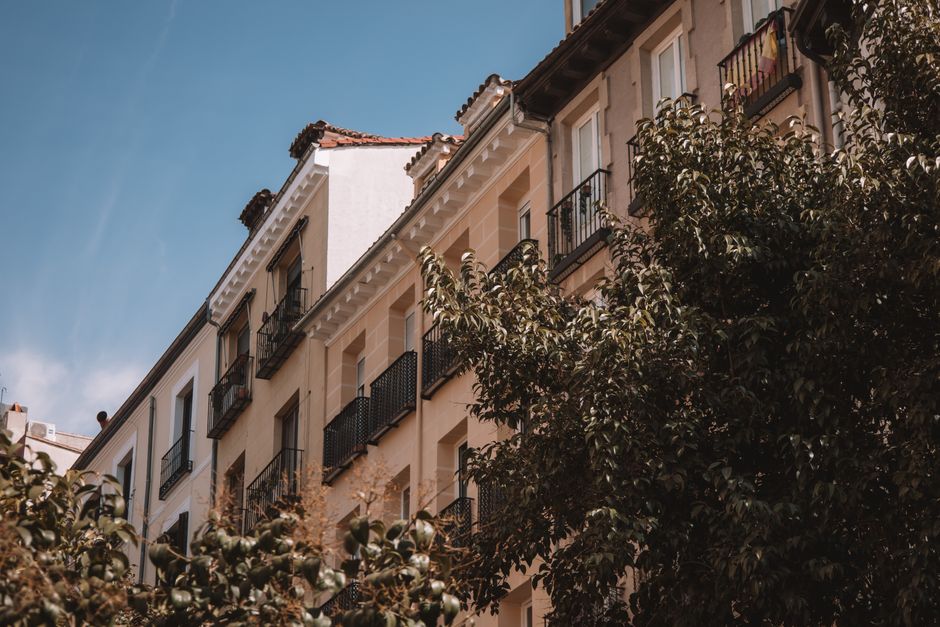
The decision affects roughly 40 percent of Salamanca's aristocratic stock and pockets of Chamberí, where wealthy buyers have historically purchased sprawling villas to subdivide into luxury apartments or convert into high-end co-living spaces. Agents report a sharp pivot: three major developments in Paseo de la Castellana's northern reaches that were approved under the old framework are now facing renegotiation, while interest in recently zoned expansion areas—Chamartín and parts of Retiro—has accelerated measurably.
"The regulation isn't about pricing," explains the reasoning behind City Hall's move, which emphasises preservation of Madrid's architectural heritage. Yet the market impact is undeniable. A 1,200-square-metre estate on Calle Serrano that might have commanded €14 million for conversion into five luxury units three months ago now faces buyer caution. Some developers are exploring alternatives: conversion to private museums, luxury hotels, or single-residence ultra-luxury renovation—a narrower, slower-margin model.
Meanwhile, areas previously considered secondary are gaining velocity. Malasaña and Chueca, already popular with younger ultra-high-net-worth buyers seeking contemporary loft conversions in listed buildings, have seen asking prices climb 12 percent since the announcement. Vallecas, long positioned as an emerging growth zone, is attracting institutional capital eyeing future upside—though at €3,200–€4,100 per square metre, it remains a different market tier entirely.
International buyer appetite—which accounts for roughly 35 percent of Madrid's €4-million-plus segment—shows mixed signals. While some European and Gulf-based investors are retreating to wait-and-see, others view the tightened regulations as a stabilising force, reducing speculative volatility and reinforcing scarcity value in genuinely restricted stock.
The policy changes reflect a broader European trend: cities balancing property investment with cultural preservation. For Madrid's luxury market, the adjustment period may extend through 2027. Developers and agents are scrambling to understand how the rules apply to existing permissions—a legal grey zone that's generating its own sub-market of advisory and litigation services. The question now: will regulation ultimately protect Madrid's prestige, or simply export its wealth-driven development elsewhere?
This article was compiled by AI from the sources linked above and screened before publishing. See our editorial standards.
How does this story make you feel?
Spread the word
About this article
Published by The Daily Madrid
Daily brief
Free, in your inbox before 7am. Weekdays.
More in Property