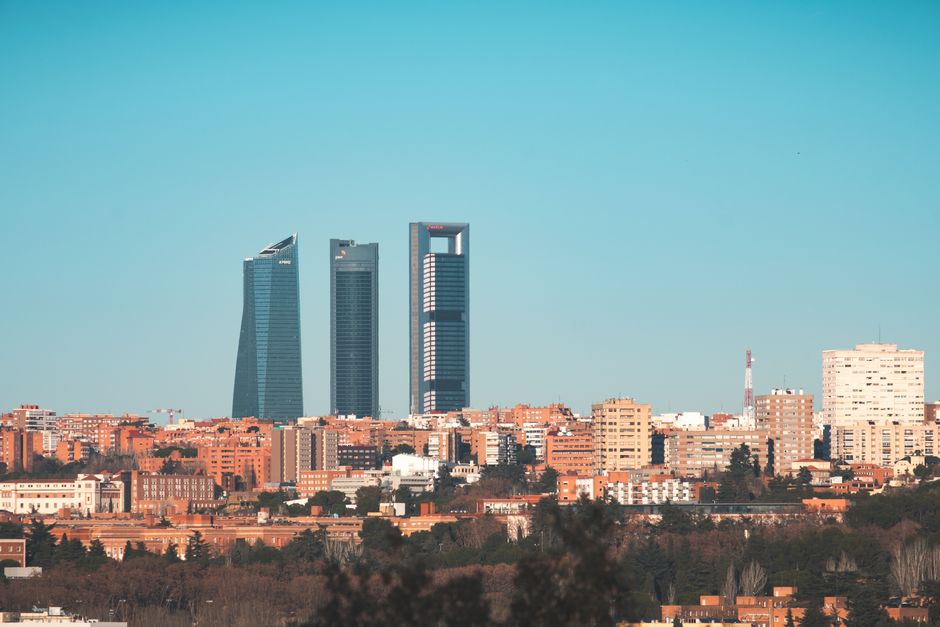
Madrid's rental market stands at a crossroads. With vacancy rates hovering near 3.2% across prime districts and average prices exceeding €4,500 per square metre, developers are racing to unlock supply through ambitious new-build projects that could fundamentally alter the city's residential landscape over the next 24 months.
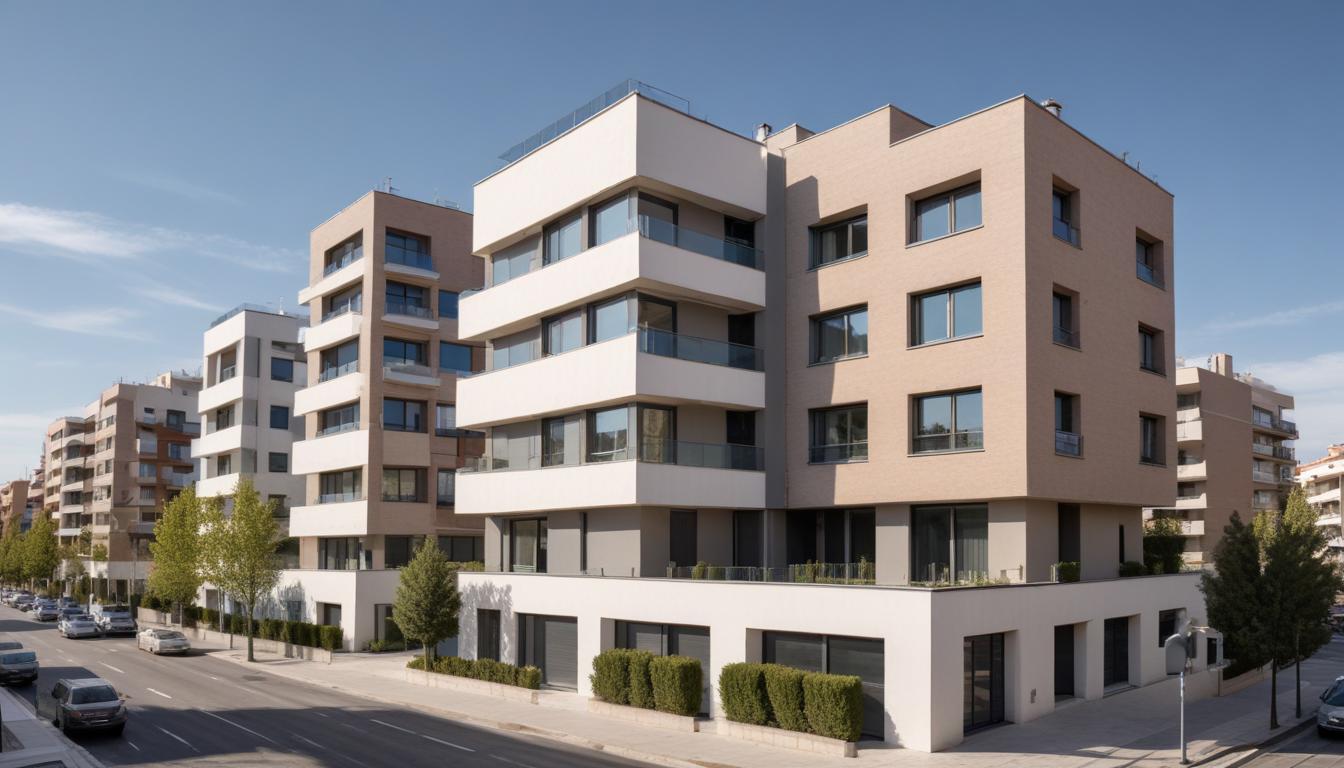
The transformation is most visible in emerging zones. Vallecas, long positioned as Madrid's growth corridor, is seeing significant multi-residential developments along Avenida de la Paz and near Parque Forestal de Entrevías. These projects, ranging from 200 to 400 units each, promise to inject supply into a district where rental demand has outpaced availability for three consecutive years. Early indicators suggest units will command €1,200–€1,600 monthly for two-bedroom apartments—undercutting Salamanca by 30% while maintaining modern amenities and transport links to the city centre.
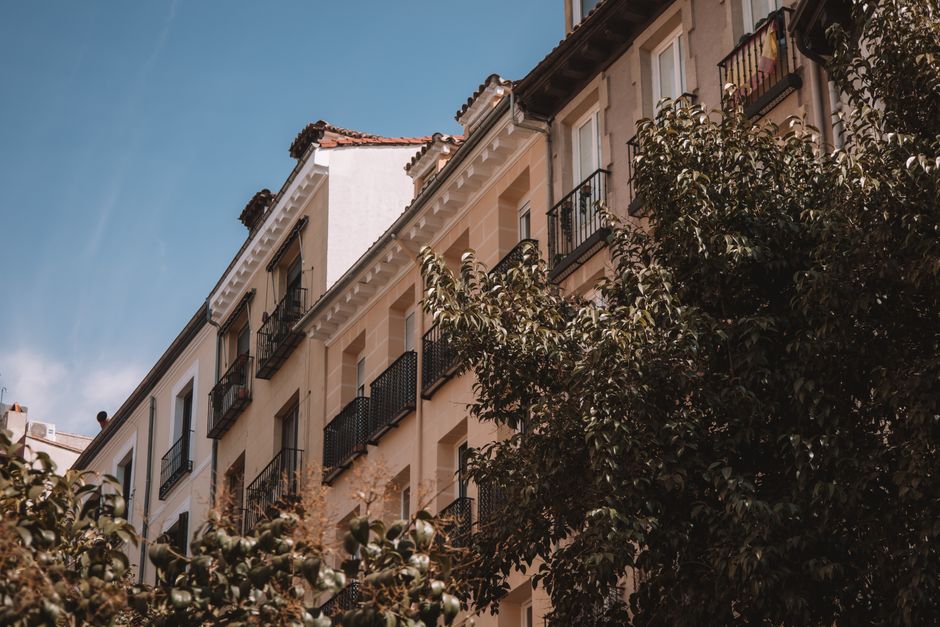
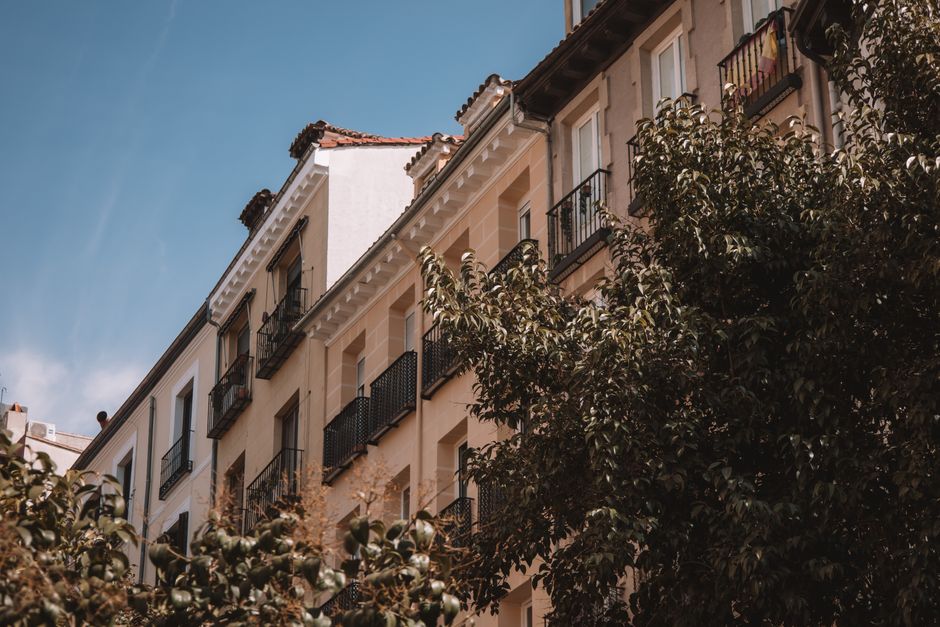
Less discussed but equally significant are infill projects transforming central neighbourhoods. Malasaña and Chueca, traditionally magnetic for younger renters and creative professionals, are seeing selective redevelopment. Conversion of older commercial spaces into residential units along Calle Espíritu Santo and near Plaza del Dos de Mayo is expected to add roughly 150 units by 2027. These developments often preserve neighbourhood character while modernising interiors—a critical factor for tenants seeking authenticity without sacrificing contemporary comforts.
Premium districts aren't immune to change. Chamberi and Salamanca, where institutional investors have recently acquired aging residential stock, are launching selective refurbishment programmes. Rather than wholesale demolition, many are undergoing structural upgrades and unit reconfiguration, temporarily tightening vacancy further before new supply hits the market in late 2026.
For tenants, understanding these timelines is essential. Current market conditions favour landlords—rent increases of 4–6% annually are standard in sought-after zones. However, once new developments reach occupancy phase, competitive pressure typically moderates growth. Renters considering long-term commitments should monitor local town halls' licensed building permits and contact neighbourhood associations for project details.
The Colegio Oficial de Arquitectos de Madrid publishes quarterly development summaries, while district-level housing councils often host public consultations on major projects. Savvy tenants are already tracking completions, as the window between project completion and full market stabilisation—typically 12–18 months—often offers the most favourable terms for new leases.
Madrid's rental future is being built now. The question isn't whether vacancy will improve, but where and when.
This article was compiled by AI from the sources linked above and screened before publishing. See our editorial standards.