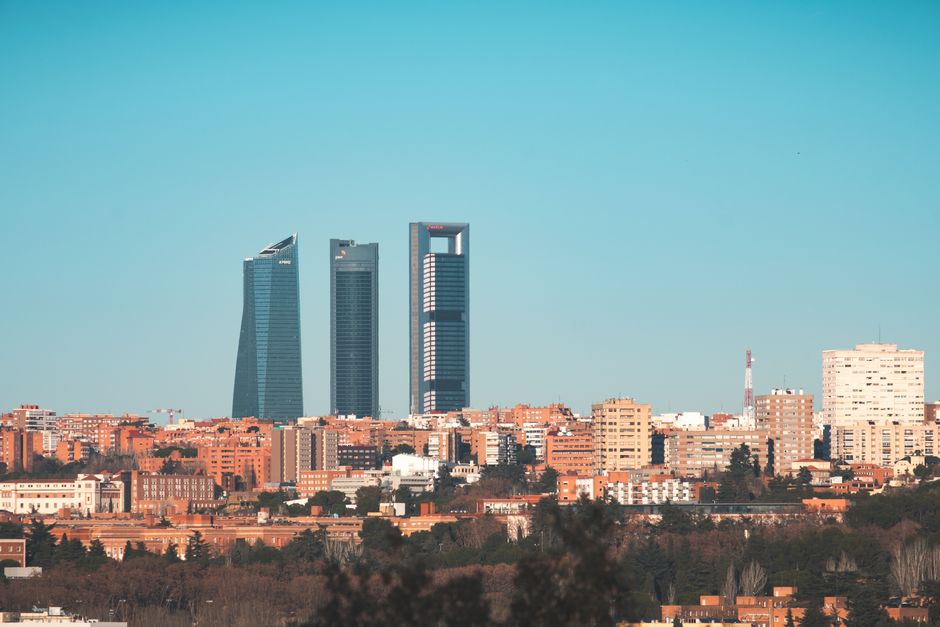
Madrid's property market has become a study in contradictions. While headlines trumpet price rises and international buyer enthusiasm, investors scanning spreadsheets are asking a harder question: where are the actual returns?
The numbers reveal a bifurcated market. In Salamanca and Chamberi—Madrid's established premium neighbourhoods—gross rental yields hover around 2.5 to 3 per cent annually. A €600,000 apartment near Plaza de Salamanca might command €1,500 monthly rent, generating €18,000 yearly income against a property that cost double that just five years ago. The mathematics are thin. Capital appreciation has outpaced rental income so dramatically that yield-focused investors have largely abandoned these zones, ceding them to wealth preservation buyers and foreign purchasers treating Madrid real estate as a financial asset rather than an income generator.
The real opportunity, data shows, sits in transition zones. Vallecas, increasingly favoured by young professionals and remote workers, offers 3.5 to 4 per cent yields. A €280,000 studio near Plaza Mayor de Vallecas might rent for €850 monthly—respectable returns that actually compensate for holding costs and vacancy risk. Similar dynamics play out in parts of Latina and along the Paseo de la Castellana corridor, where supply constraints and demographic shifts are creating rental demand that outpaces price inflation.
Malasana and Chueca present the wild card. These neighbourhoods remain popular tourist and expat magnets, which has fractured the market into two tiers: long-term residential lettings yielding 3 to 3.5 per cent, and short-term holiday rentals generating 5 to 6 per cent—though regulatory uncertainty around platforms and licensing now clouds those projections. The Madrid City Council's evolving stance on tourist accommodation has made these calculations riskier than they appeared eighteen months ago.
What's striking is the growing divergence between what agents advertise and what investors actually earn. A property appreciating at 4 per cent annually while yielding 2.5 per cent represents negative real returns once inflation and costs are deducted. That equation has pushed cautious money toward mixed strategies: smaller properties in emerging neighbourhoods, renovation plays where value add is tangible, or simply waiting.
The Madrid market, in short, no longer offers a clean story. Prices are climbing, but yields are compressed in the desirable neighbourhoods that drove the last cycle. Returns remain possible—but only for investors willing to look beyond the glossy listings and do the arithmetic themselves.
This article was compiled by AI from the sources linked above and screened before publishing. See our editorial standards.